Critical Minerals in Africa: Copper, Cobalt and Lithium
Explore Africa’s energy-transition minerals, what makes mining investable, and where our documented operations fit within the wider opportunity.
Key takeaways
- Copper supports electrification; lithium and some uses of cobalt support rechargeable batteries, but technology can change demand patterns.
- Africa’s mineral resources create possibilities, while infrastructure, processing, costs and responsible practices shape project economics.
- Strong demand for a mineral does not automatically translate into a profitable mine or a successful investment.
- Our documented participation model centres on gold and productive operations; it does not establish dedicated copper, cobalt or lithium exposure.
Your phone needs charging. An electric car passes outside. A shopkeeper installs solar panels to keep the lights on. What connects these everyday moments? Materials brought out of the ground and turned into useful equipment.
Copper, cobalt and lithium help make parts of that system work. For a saver, however, an exciting demand story raises a harder question: how does a mineral in the ground become an investment that creates value?
At Teqwah, we believe the useful starting point is productive work, not a fashionable label. Let’s explore Africa’s critical minerals, the decisions behind mining economics, and where our documented activities fit.
Why do these three minerals matter?
“Critical minerals” are materials considered important to an economy and vulnerable to supply disruption. Lists differ by country and can change. For the energy transition, the practical question is what each material actually does.
Copper carries electricity. It is widely used in wiring, motors, transformers and power networks. Think of a shop adding rooftop solar: panels alone are not enough. Electrical connections must carry power safely between equipment and the building.
Lithium helps rechargeable batteries store energy. Lithium-ion batteries power many electric vehicles and support electricity storage. But lithium ore is not a ready-to-use battery ingredient. It needs processing into chemicals that meet demanding specifications.
Cobalt contributes to some battery chemistries, helping support performance and stability. It also has industrial uses outside batteries. Not every electric vehicle battery needs cobalt: lithium iron phosphate batteries, commonly called LFP, do not.
Why this matters: electrification can support mineral demand without lifting every mineral, producer or investment equally. Technology changes the shopping list.
A mineral becomes an economic opportunity through reliable production, responsible practices and customers willing to pay—not simply because the world needs it.
Where does Africa fit in the supply chain?
Africa is not one mining market. Its countries have different geology, infrastructure, rules and operating conditions.
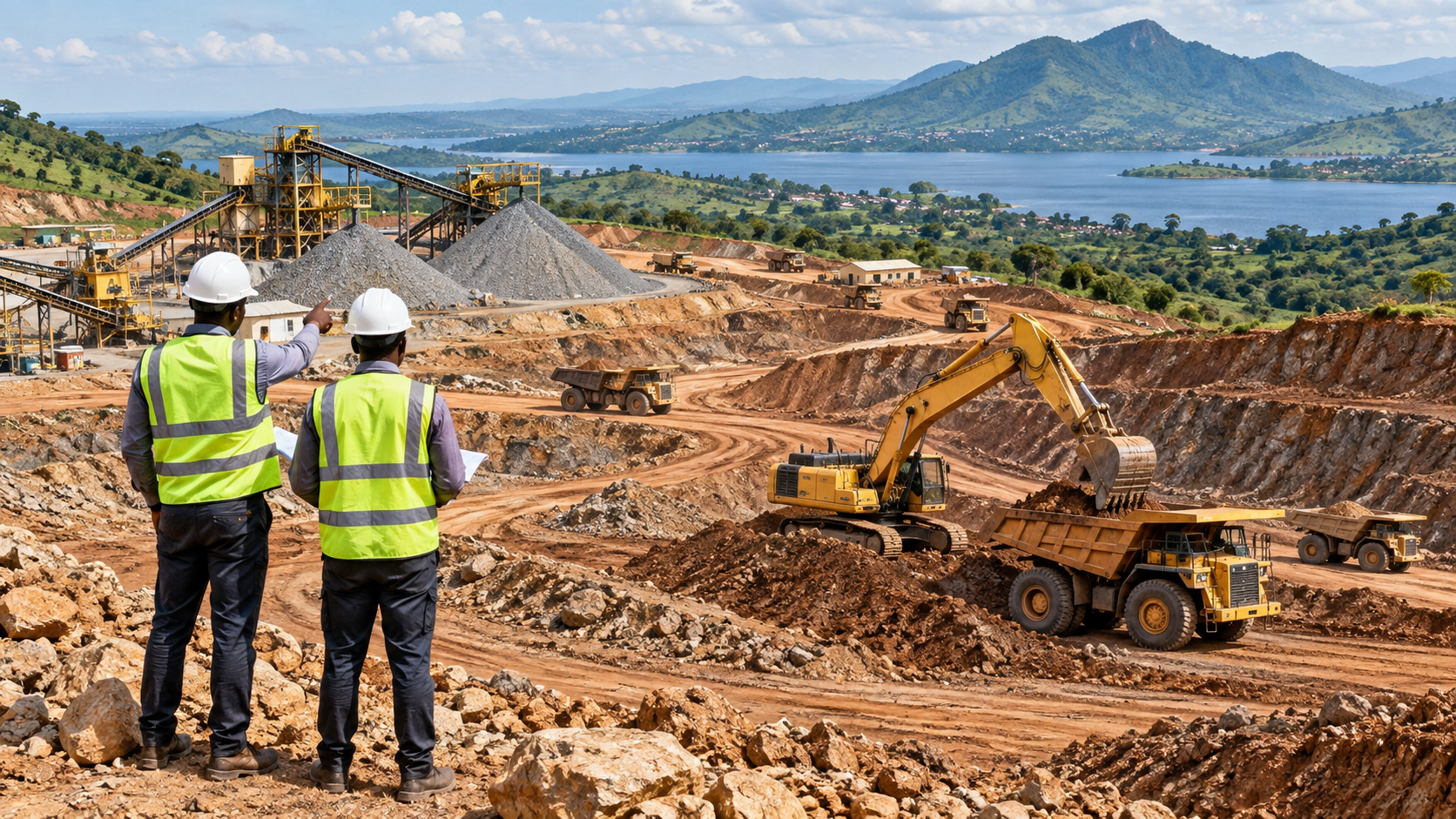
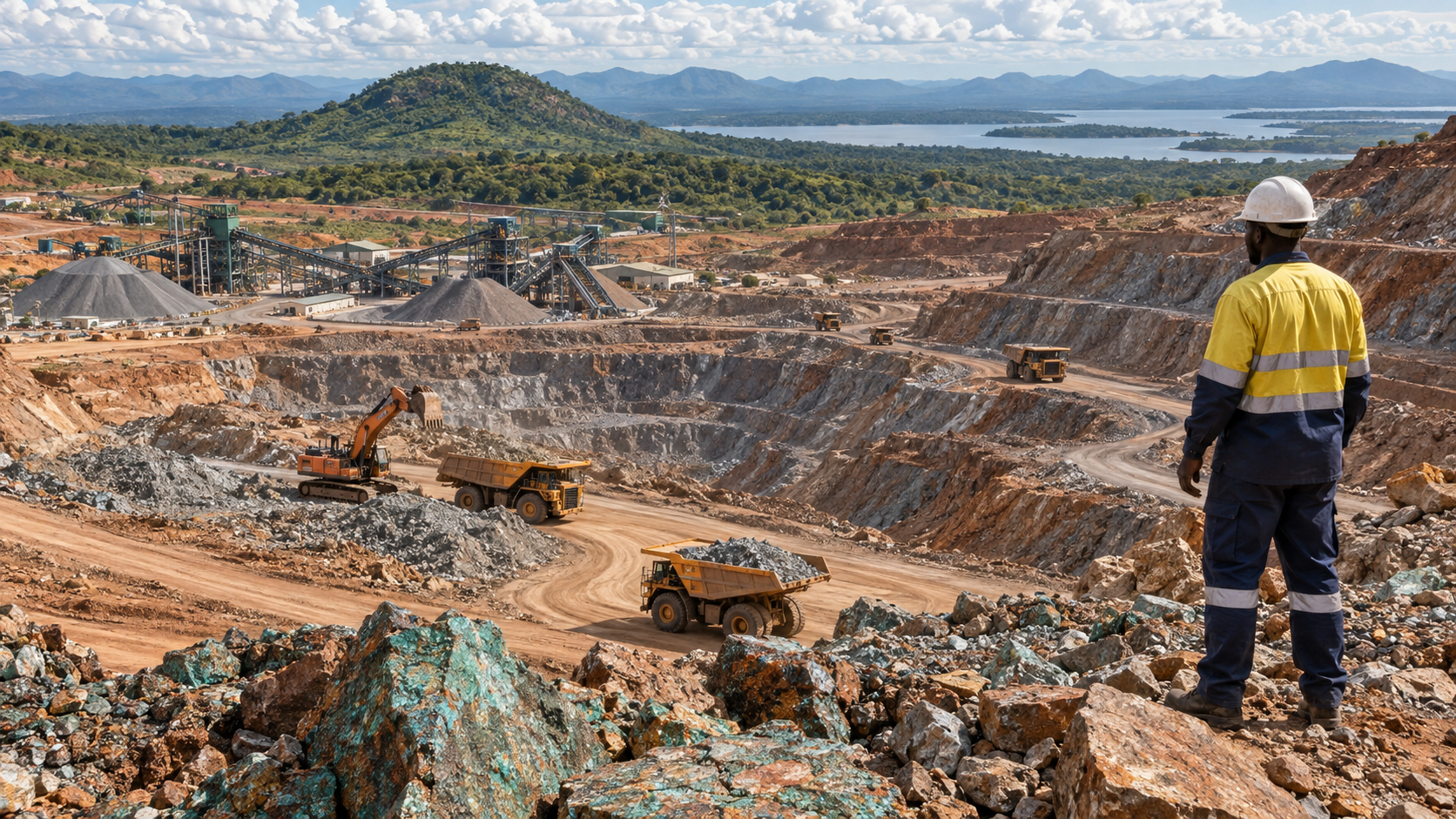
The Democratic Republic of the Congo is an important source of copper and cobalt. Zambia is a significant copper producer. Zimbabwe has lithium mining activity. These examples show why the continent matters, but a country’s mineral wealth tells us little about a particular project’s profitability.
Imagine a small miner with a promising deposit but unreliable power. Equipment may sit idle, while wages and financing costs continue. A distant port or difficult road can make delivering material expensive.
There is also a difference between mining, refining and manufacturing. Mining extracts material. Refining turns it into a more usable product. Manufacturing makes components such as battery cells or cables. Hosting a mine does not automatically mean capturing every stage’s value.
For readers assessing an opportunity, the better question is: which part of this chain earns revenue, and what must happen before a customer pays?
How can strong demand still produce a weak investment?
A busy shop can lose money if rent, stock and electricity cost more than sales bring in. A mine faces the same basic test, with more moving parts.
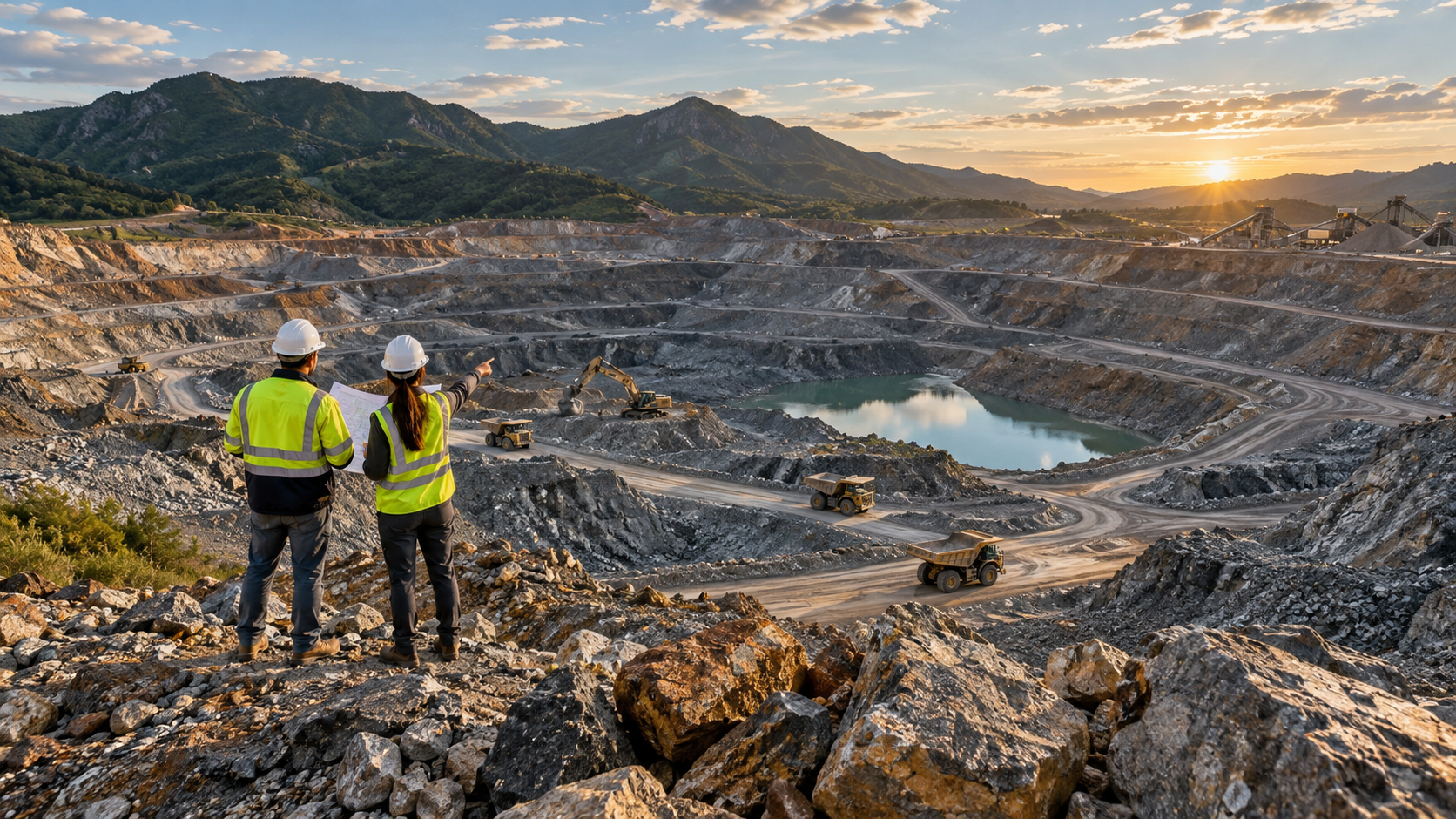
Revenue depends on saleable output, product quality and the price received. Costs include labour, fuel, processing, maintenance, transport and obligations such as rehabilitation. Building or expanding a mine also requires capital before reliable revenue arrives.
Four checks help turn a big story into practical questions:
- Deposit quality: How much useful material can be recovered, and how difficult is processing?
- Operating readiness: Are power, water, machinery, skills and transport available?
- Customer requirements: Will the output meet specifications, and what deductions apply?
- Financial resilience: Can the operation cope with lower prices, delays or cost increases?
Commodity supply can grow faster than demand. Buyers may hold excess inventory. Battery makers may switch chemistry. Even rising sales of electric vehicles do not ensure rising lithium or cobalt prices.
Why this matters: demand forecasts are not cash flow. Execution determines whether an operation converts demand into a sustainable business.
What should responsible mineral participation look for?
A low production cost is not the whole picture. Water use, waste management, worker safety, land rights and community relationships affect both people and operating continuity.
Cobalt supply chains have faced serious concerns about unsafe working conditions and child labour, particularly in some artisanal mining settings. That does not make every operation identical. It makes traceability—knowing where material comes from—and credible due diligence essential.
A buyer should ask for evidence, not just reassuring language. Who holds the relevant rights? How are workers protected? How are environmental impacts managed? Can the material’s route to market be documented?
Recycling can recover useful minerals and supplement mined supply. It does not immediately eliminate mining: collection systems, processing capacity and the availability of used products all matter.
For a young saver, the lesson is straightforward. A compelling mineral story is a reason to investigate, not a substitute for investigation.
Where does Teqwah Minerals fit?
We need to draw a clear boundary around that name. Our published information does not establish a separate Teqwah Minerals business, copper, cobalt or lithium projects, or a dedicated critical-minerals investment. We should not present those activities as part of our offering.
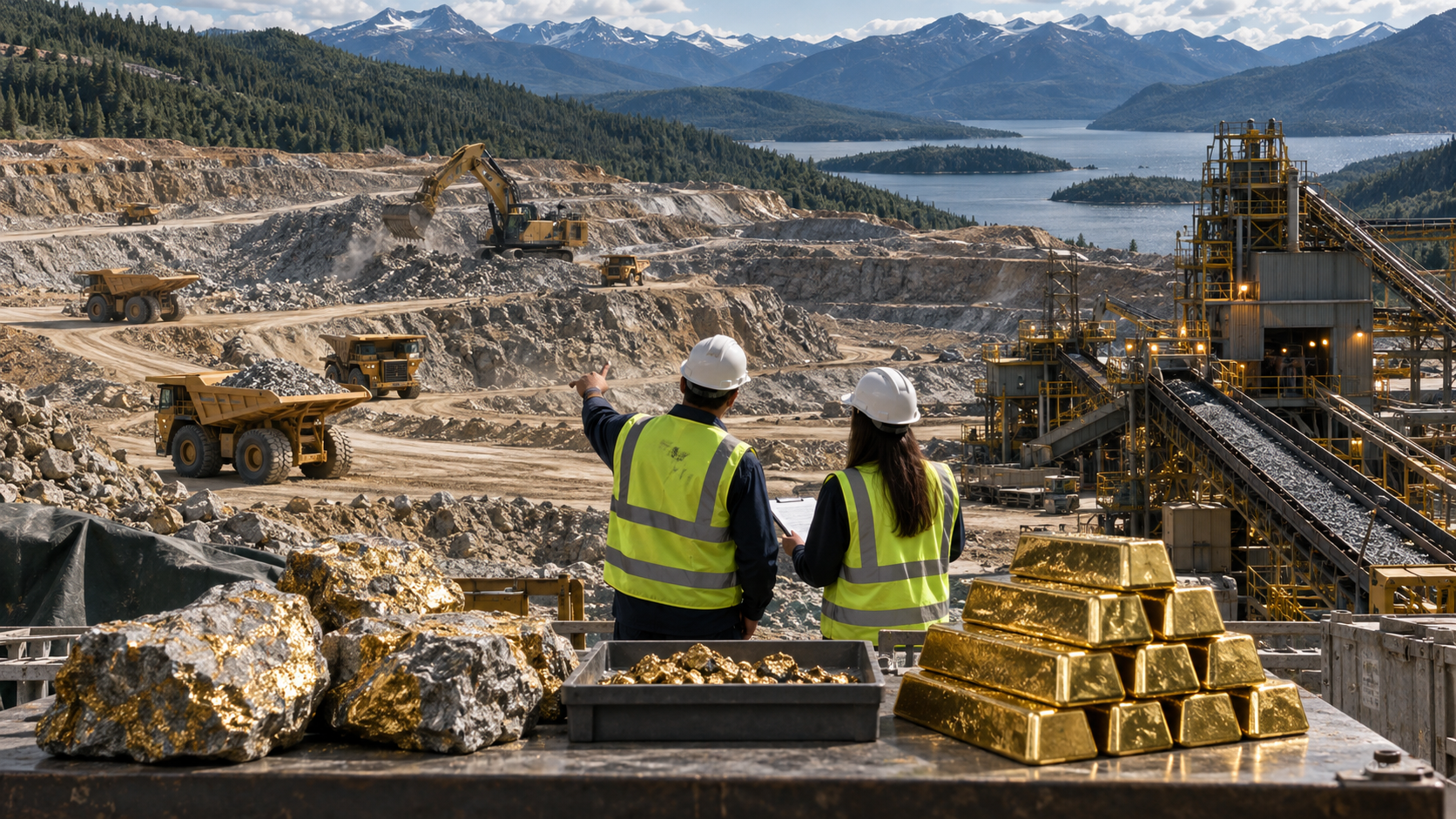
What we do describe at Teqwah Capital is investment connected with productive African operations, with gold mining and physical gold trade at the core. Productive machinery and fleet rental add diversification; selected real estate is considered when it fits our mandate.
For people who see potential in gold but cannot run a mine themselves, our model offers one fractional participation through TGC, starting from $15. Participants share in our unified pool rather than choosing an individual mine, sector or asset.
TGC is a divisible participation unit. Its recorded value is pool value divided by units in circulation, not an exchange-traded market price. That distinction matters: it is not direct exposure to copper, cobalt or lithium prices.
The opportunity we are working to build is participation in tangible, managed operations. Africa’s wider mineral story offers valuable context, but we keep that context separate from claims about what participants actually hold.
Frequently asked questions
Are copper, cobalt and lithium all battery materials?
Not in the same way. Copper conducts electricity across many systems. Lithium is central to lithium-ion batteries, while cobalt is used in some, but not all, battery chemistries.
Does investing in mining mean tracking a metal’s price?
No. Operating costs, output, financing and investment structure also affect results. A mining investment can perform poorly even when the relevant metal price rises.
Does TGC provide a choice of critical-mineral projects?
No. Our participants hold one proportional participation in our unified pool and do not choose projects. Our published core activities are gold mining and physical gold trade, supported by productive operations.
Bring your curiosity—and your questions. Explore Teqwah and how TGC works →
Investing involves risk; values can fall. This article is education, not financial advice.
Teqwah view
At Teqwah, we connect participation with productive African operations, keeping gold mining and physical gold trade at the core. We welcome readers drawn to Africa’s mineral potential, while making a clear distinction between the wider energy-transition story and what our TGC participation actually represents.
Sources
Investing involves risk. TGC value can fall. This is not investment advice.
Comments
No comments yet — be the first.