G7 puts diesel first in 100-million-barrel release as fuel costs bite
The four-month release will begin immediately, with an early diesel push and a pledge against energy export restrictions between G7 members.
Key takeaways
- G7 countries agreed to release 100 million barrels of diesel and other reserves through the IEA over four months.
- A substantial diesel release is planned within the first 20 days, with the programme beginning immediately.
- Brent fell 1.48 per cent to $100.80 a barrel after the announcement; WTI dropped 2.66 per cent to $90.40.
- The US supplied roughly half of EU diesel imports in August, making export restrictions a major concern for Europe.
- G7 leaders reaffirmed their commitment against energy export restrictions between member countries.
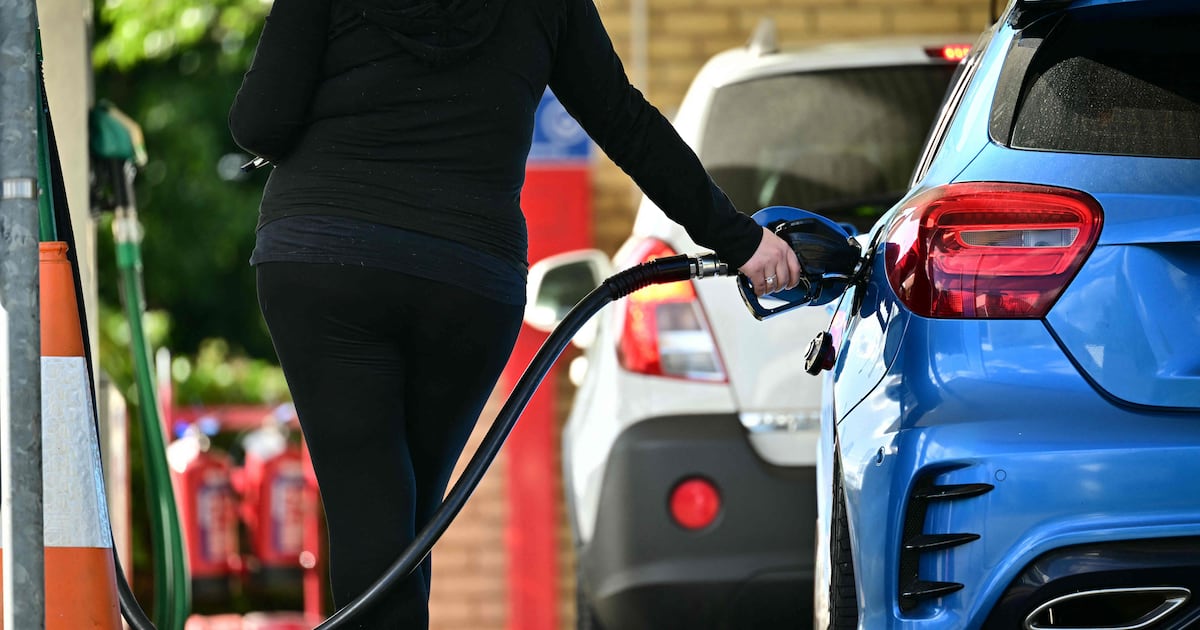
Diesel reached $6.50 a gallon in the US last week, nearly $3 above its level a year earlier. In Europe, it hit a record €2.24 a litre. Those prices have pushed emergency fuel stocks to the centre of international diplomacy: G7 countries agreed on Friday to release 100 million barrels of diesel and other reserves to help calm markets, according to The National — Business.
The release will run through the International Energy Agency (IEA), beginning immediately and continuing for four months. A joint leaders’ statement issued by French President Emmanuel Macron’s office put diesel at the front of the effort, with members and partners making a substantial release during the first 20 days. Oil prices fell after the announcement. Brent, an international crude benchmark, traded 1.48 per cent lower at $100.80 a barrel, while US benchmark West Texas Intermediate fell 2.66 per cent to $90.40.
A diesel squeeze with political stakes
The Middle East conflict and Russia’s war against Ukraine have driven up global diesel prices. In Europe, the record €2.24-a-litre price compares with €1.59 before the Iran war began on February 28. In the US, the jump has increased political pressure on President Donald Trump ahead of next month’s midterm elections. Moments before the G7 statement appeared, Trump said on social media that Europe had agreed to release a large amount of its diesel stocks.
Washington had been pushing Europe to open those reserves. Treasury Secretary Scott Bessent called on the continent on Thursday to act immediately, while Trump last week renewed pressure on Ukraine to stop attacking Russian diesel facilities. Trump had also threatened to ban US diesel exports to ease domestic prices, drawing concern from the American energy industry. That prospect carries particular weight for the European Union as winter approaches: the IEA said the US supplied about half of the bloc’s diesel imports in August.
Oxford Economics analysts estimate that a complete US export ban could raise European wholesale prices—the prices paid before fuel reaches retail buyers—by 40 to 50 per cent. They also estimate it could add as much as 0.4 percentage points to US core inflation in 2027, a measure that excludes food and energy. G7 leaders reaffirmed their commitment not to restrict energy exports between member countries and urged producers to avoid bans. Macron said Trump had not threatened an embargo during what he described as a constructive discussion.
Macron said leaders had committed to prioritising diesel releases and pledged not to impose export bans, with Trump making his position particularly clear.
More oil is moving, but reserves remain in play
Shipping figures offered another sign of relief. Data from intelligence company Kpler indicated that oil flows through the Strait of Hormuz were rising towards prewar levels, as producers used alternative transport routes and the US military escorted some vessels. At least 16.5 million barrels a day left the Middle East in September, according to Kpler. Macron said shipments through Hormuz and the Yanbu pipeline together were running at three-quarters of prewar volumes.
The leaders also condemned Iran’s attacks on neighbouring countries and said sanctions on Russia would remain. The new release follows a March agreement by IEA members to make a record 400 million barrels of emergency stocks available. IEA chief Fatih Birol said this week that two-thirds of those commitments had reached markets. Attention now turns to how much diesel arrives during the opening 20 days, the pace of the four-month release and whether improving shipments continue alongside the pledge to keep energy exports moving.
Sources
Comments
No comments yet — be the first.