Gold mining in Africa: Six countries, clearer participation
At Teqwah, we help you ask sharper questions about gold mining across six African countries—from rights and costs to sourcing and participation risks.
أبرز النقاط
- We encourage country-specific and project-specific assessment across DRC, Zambia, Zimbabwe, Uganda, Kenya and Tanzania—not a single view of African gold mining.
- Know what you are participating in: gold ownership, mine financing and gold trading create different exposures and contractual rights.
- Look beyond the promise of a deposit: verify mineral rights, representative geological evidence, operating costs and the origin of gold.
- Before committing capital, we encourage you to assess payment arrangements, reporting, loss treatment and exit restrictions.
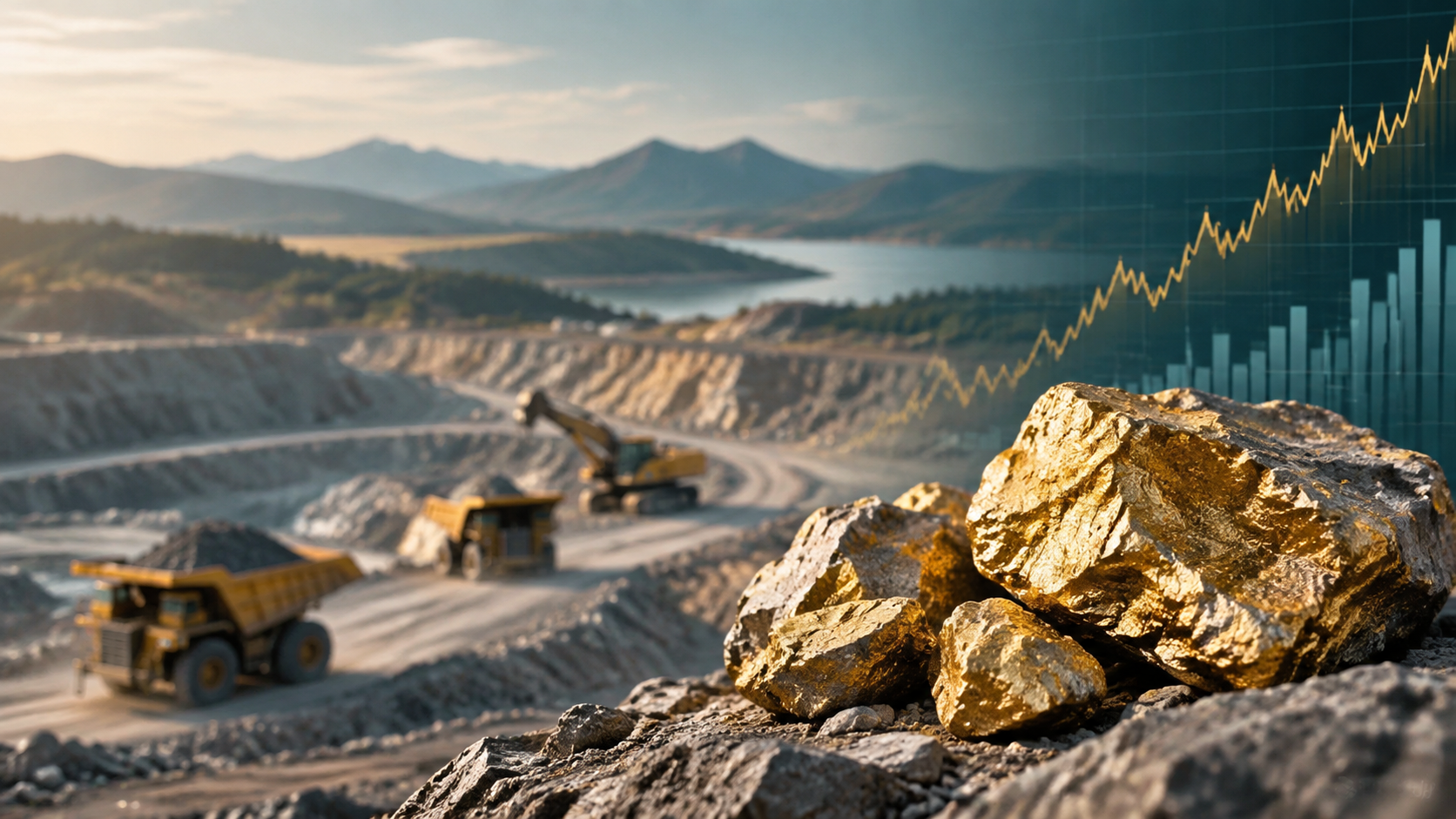
A friend shows you a photograph of freshly recovered gold. “Imagine owning a share of that,” they say. The metal looks convincing. But what would you actually own: the gold, the machinery, a mining business, or a contractual share of its results?
For people who see potential in gold but cannot run a mine themselves, that is the opportunity we at Teqwah are working to build: participation in combined operations, with our operating team managing allocation. Understanding what you hold matters more than the photograph. Gold mining in Africa spans very different deposits, businesses and legal systems. The Democratic Republic of the Congo (DRC), Zambia, Zimbabwe, Uganda, Kenya and Tanzania should not be treated as one investment market.
We see a promising gold deposit as only the beginning; investor outcomes depend on legal rights, workable costs and accountable operations.
Before choosing a country, identify the business
Your starting point is knowing which business you are participating in. Buying gold and financing a mine are different decisions. A bullion holder mainly watches the metal’s price, storage costs and selling terms. A mine investor must also consider whether a business can extract and sell gold economically.
Think of a shopkeeper. Rising bread prices do not automatically mean higher profit if flour, electricity and delivery costs rise faster. Mining works similarly: a higher gold price cannot fix every operating problem.
We also encourage you to distinguish mining from gold trading. A trader earns a margin between purchase and sale, after testing, transport, security and compliance costs. A trader’s turnover does not prove ownership of a productive mine.
Why this matters: Start with the contract and revenue model, not a country’s reputation for gold.
DRC and Zambia: Is the opportunity really about gold?
The DRC has both industrial gold mining and artisanal mining, meaning small-scale work that often relies on basic tools. Parts of eastern DRC face conflict and serious sourcing risks. Those risks require location-specific checks rather than assumptions about the whole country.
We invite you to look beyond the metal and ask what connects it to a lawful, verifiable operation. Who holds the mining right? Who controls access? Can the seller document where each shipment originated and how it reached the buyer?
A small miner may produce genuine gold yet lack the permits or records a lawful export requires. Authentic metal and compliant business are separate tests.
Zambia is better known for copper, but gold also occurs there, including in small-scale operations. The investment trap is assuming that a strong national mining industry validates every gold proposal.
Ask for evidence specific to the deposit: sampling methods, independent technical assessment and a suitable processing plan. A copper operation’s success says little about an unrelated gold site.
Why this matters: National mineral wealth is not a substitute for project evidence. We want you to assess the operation, not just the story around it.
Zimbabwe and Tanzania: Can production become cash?
Zimbabwe has a long gold-mining history, with both larger mines and smaller producers. For future participants, the question extends beyond extraction to the route from recovered gold to usable proceeds.
Check the current rules for selling gold, receiving payment and moving funds. Currency arrangements and payment conditions can affect cash flow even when a mine produces steadily. Power interruptions and equipment shortages can also disrupt the plan.
Picture an operator waiting for a replacement pump. Workers still need paying while production pauses. A realistic budget needs working capital: cash that keeps the business running between expenses and receipts.
Tanzania has an established gold-mining sector spanning industrial and small-scale activity. Its investment questions include mineral rights, environmental approvals, local participation requirements and the terms governing state interests where applicable.
We value the perspective an operating history provides, but it does not remove project risk. Examine recovery—the share of gold in processed material that the plant actually captures—and the costs of waste management and eventual closure.
Why this matters: Gold in the ground is not the same as cash available to investors. Look at the full path from production to proceeds.
Uganda and Kenya: Where did the gold come from?
Uganda combines domestic gold mining with regional gold trading. That makes origin a central question. Gold traded or exported from a country need not have been mined there.
If someone presents export activity as proof of local mine productivity, we encourage you to ask for mine-level records. Production logs, purchase receipts, transport documents and export paperwork should tell a consistent story.
Kenya has gold mining, particularly in its western areas, including artisanal and small-scale activity. Here, as elsewhere, a promising sample is not enough to establish an economically workable deposit.
A young saver might see a rich-looking rock and imagine an entire hillside of similar material. Geologists need representative sampling, not just the best handful. They must also assess how much gold can be recovered and at what cost.
In both countries, check mining rights separately from land access. Permission from a landowner does not automatically confer permission to extract minerals. Water use, environmental duties and community relationships also deserve scrutiny.
Why this matters: Verify both the gold’s origin and the legal basis for the work. Those are separate questions worth asking.
Turn a compelling story into a due-diligence checklist
We want future participants to approach the opportunity with clear questions. Before comparing proposals across these six countries, ask:
- Rights: Are mineral rights, land access and operating approvals valid and independently checked?
- Geology: Does representative testing support the claimed grade, meaning gold concentration?
- Economics: Do budgets include fuel, repairs, security, taxes, rehabilitation and downtime?
- Accountability: Can production, sales and payments be reconciled with independent records?
- Investor terms: What do you own, how are losses handled, and what limits apply to withdrawal or resale?
Stress-test the budget. What happens if fuel costs rise, recovery falls or the rainy season delays access? An attractive forecast becomes more useful when you can see how it behaves under pressure.
Our participation structure matters too. Investors hold Teqwah Gold Capital (TGC) as proportional participation in our combined operations; they do not select individual projects. This country overview therefore should not be read as a list of our operating locations.
At Teqwah Capital, we describe our participations as private commercial agreements, not publicly offered exchange-traded securities, and we state that we are not supervised by a financial-markets regulator. Read the risk disclosure alongside any participation agreement. We encourage you to understand both before deciding whether participation fits your circumstances.
Frequently asked questions
Which African country is best for gold-mining investment?
There is no universal winner. We encourage you to compare the specific operation’s geology, rights, costs, security and investor protections. A country label cannot establish a project’s quality.
Does a rising gold price mean a mine will make money?
No. Low recovery, expensive fuel, downtime or unexpected obligations can outweigh a higher selling price. We encourage you to focus on cash flow after costs, not metal prices alone.
Is gold trading the same as investing in a mine?
No. Trading depends on sourcing, purchase and sale margins, and settlement. Mining adds geological, construction and operating risks. Both require lawful sourcing and clear contracts.
If you see potential in gold and want to understand our participation structure, Explore TGC →.
Investing involves risk, values can fall, and this article is education, not financial advice.
رأي تِقوى
We connect investment capital with productive African operations, with gold mining and gold trade as our core activities. Our investors hold TGC as proportional participation while our operating team manages allocation, rather than investors selecting individual projects. That is the opportunity we are working to build for people who see potential in gold but cannot run a mine themselves—and understanding the participation agreement and operating risks remains essential.
المصادر
الاستثمار ينطوي على مخاطر. قد تنخفض قيمة TGC. هذا ليس نصيحة استثمارية.
التعليقات
لا توجد تعليقات بعد — كن الأول.