
Lagarde warns Middle East energy shock threatens euro area prices and growth
The ECB president said monetary policy must prevent higher energy costs from driving lasting inflation, while warning that fiscal uncertainty could raise borrowing costs.
أبرز النقاط
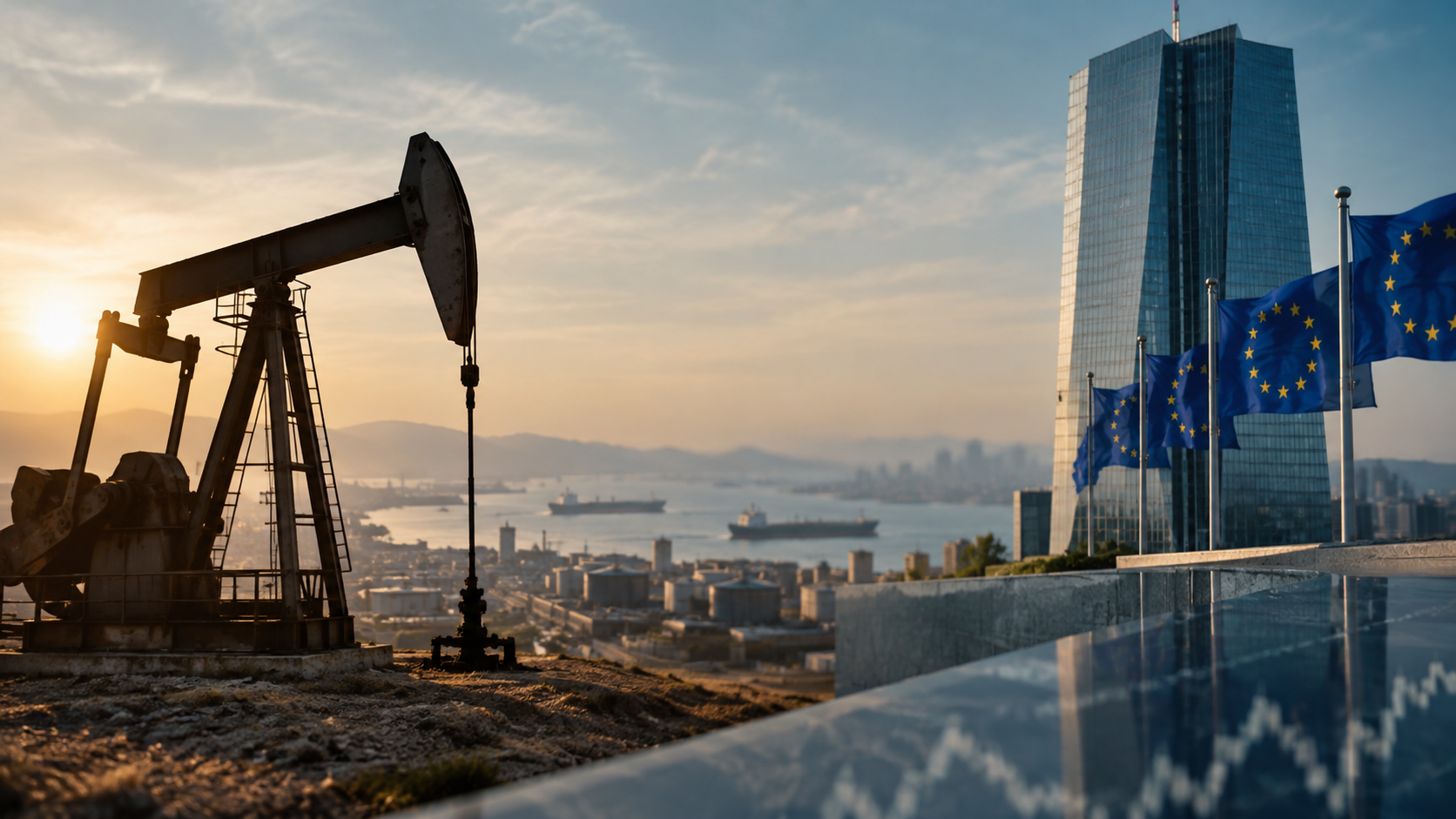
- Lagarde identified the Middle East-related energy crisis as the leading immediate threat to European prices and growth.
- The ECB may need higher rates to prevent energy costs from feeding persistent inflation, despite risks to financing and activity.
- She cited growth expectations of 0.9% for the euro area this year and 0.5% for France.
- Lagarde warned that cancelling French debt could undermine access to financing and violate European treaties.
- She said she would remain at the ECB in 2027, with any departure ahead of October limited to a few months.
European Central Bank President Christine Lagarde identified the energy crisis linked to the Middle East conflict as the most immediate threat to the European economy, warning that it is pushing up prices while weakening growth. In an interview with La Croix published by the ECB, she said keeping prices stable remained the central bank’s priority, even as geopolitical upheaval put Europe’s economic foundations under pressure.
Lagarde said recent crises had become interconnected rather than occurring separately. The pandemic generated pressure on energy and raw materials, and Russia’s invasion of Ukraine intensified the energy disruption and inflation surge. Rising commodity costs also damage economic activity, she said, a consequence that can receive less attention than their direct effect on prices.
Europe’s economic model faces a broader challenge, according to Lagarde. Its longstanding reliance on inexpensive Russian energy, Chinese demand for exports and American security support has been unsettled. Russian energy supplies have been cut off, China has become a competitor in advanced markets, and confidence in the US security umbrella has weakened, she said.
Monetary policy faces a supply-shock dilemma
Asked about ECB rate increases in June and September, Lagarde said monetary policy could neither reopen the Strait of Hormuz nor add to oil and gas reserves. Its role was instead to stop an energy supply shock from becoming a persistent source of inflation across the economy. That could require higher interest rates despite the resulting pressure on financing and growth, making close scrutiny of economic activity essential before decisions are taken.
Lagarde also acknowledged that the ECB had misjudged the energy shock in 2021, initially expecting it to be temporary and not to require an immediate response. Policymakers failed to anticipate the interaction between crises, the strength of demand after the pandemic and Russia’s deliberate reduction of gas reserves, she said. She described her policy approach as responsive to evidence rather than aligned with either advocates of tighter policy or those favouring lower rates.
Debt pressures and the outlook for leadership
On public finances, Lagarde said political uncertainty and budget deficits were holding back investment and activity. She cited expected growth of 0.9% in the euro area this year, against 0.5% in France. Debt approaching 120% of GDP without a path towards control was a serious concern, she said. Governments also face competition for funding from substantial private-sector investment needs, particularly in artificial intelligence, which could increase public borrowing costs.
Nevertheless, Lagarde said Europe’s financial system was considerably stronger than during the crises of 2008 and 2011. She pointed to Greece, Portugal, Ireland and Cyprus as countries that had restored confidence and growth after painful adjustments. A credible fiscal path, shared commitment and reforms were needed, she said, alongside simpler administrative rules, labour-market and pension changes, and deeper European capital markets to channel savings into investment.
Lagarde warned that cancelling part of France’s debt would be financially dangerous, technically uncertain and contrary to European treaties. Investors might stop lending or demand substantially higher interest rates, she said. On proposals to tax wealth and inheritances, she urged consideration of spending as well as revenue, the tax burden in comparable countries and the risk that excessive taxation could produce diminishing returns.
Looking ahead, Lagarde said she had made no specific announcement about leaving before her term ends in October 2027. She confirmed that she would remain at the ECB in 2027 and said any early departure would be limited to a few months. The French government in office at the relevant time would have to discuss its preferences for her successor with other European leaders, she added.
المصادر
الاستثمار ينطوي على مخاطر. قد تنخفض قيمة TGC. هذا ليس نصيحة استثمارية.