Uganda’s $250 Million Wagagai Mine Puts Local Gold Behind Its Export Ambitions
The country’s first large-scale gold mine has begun operating, with plans to produce about 1.2 metric tons of refined gold a year.
Key takeaways
- Uganda has opened its first large-scale gold mine, the $250 million Chinese-owned Wagagai project in Busia district.
- The operating plant is expected to process 5,000 tons of ore daily and produce about 1.2 metric tons of refined gold annually.
- Gold brought in $3.4 billion, or about 37% of Uganda’s export revenue, last year; that figure includes re-exports.
- Museveni said gold export earnings would support infrastructure including power stations and railways.
- The next milestone is whether Wagagai delivers its expected processing and production volumes.
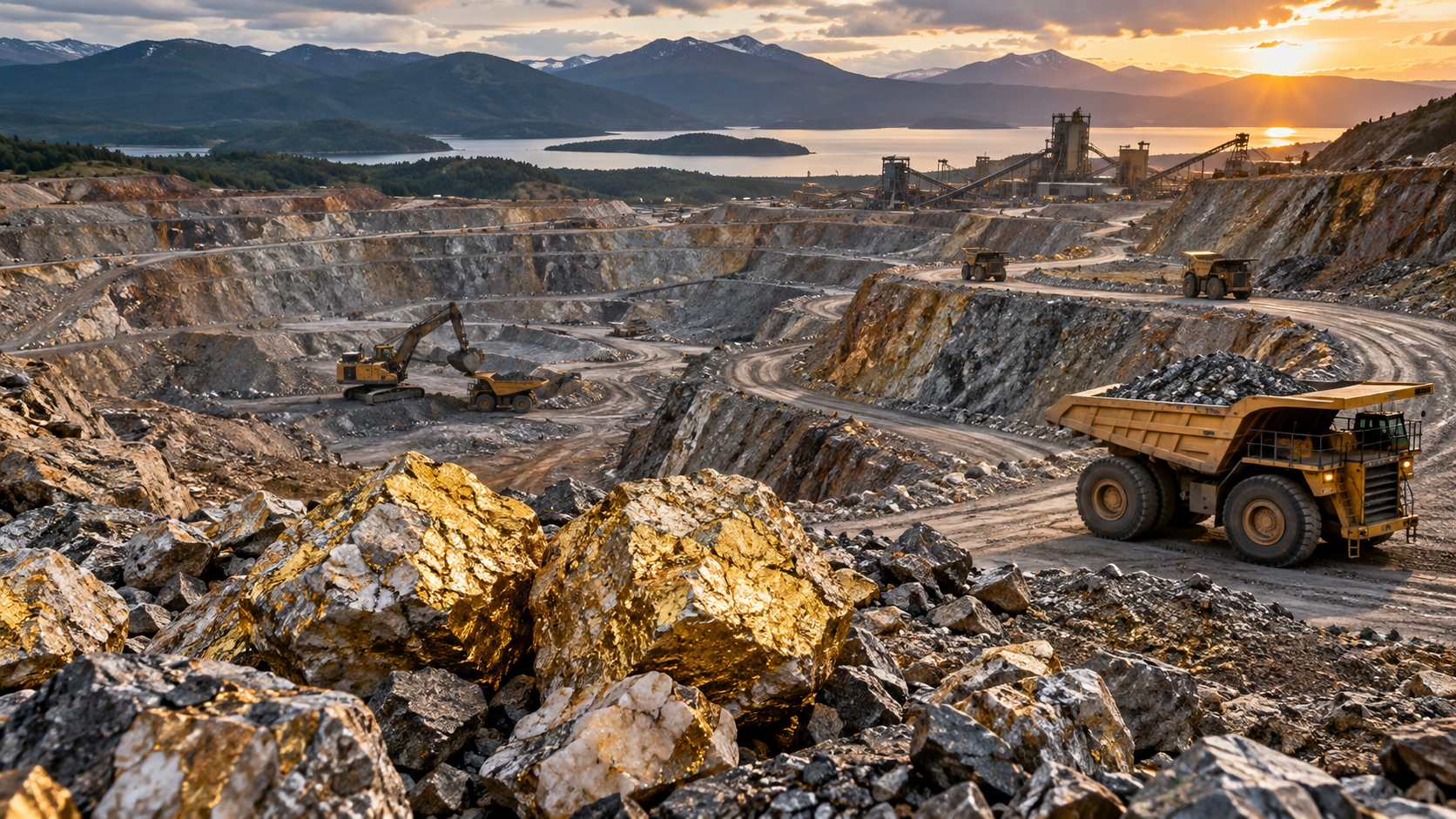
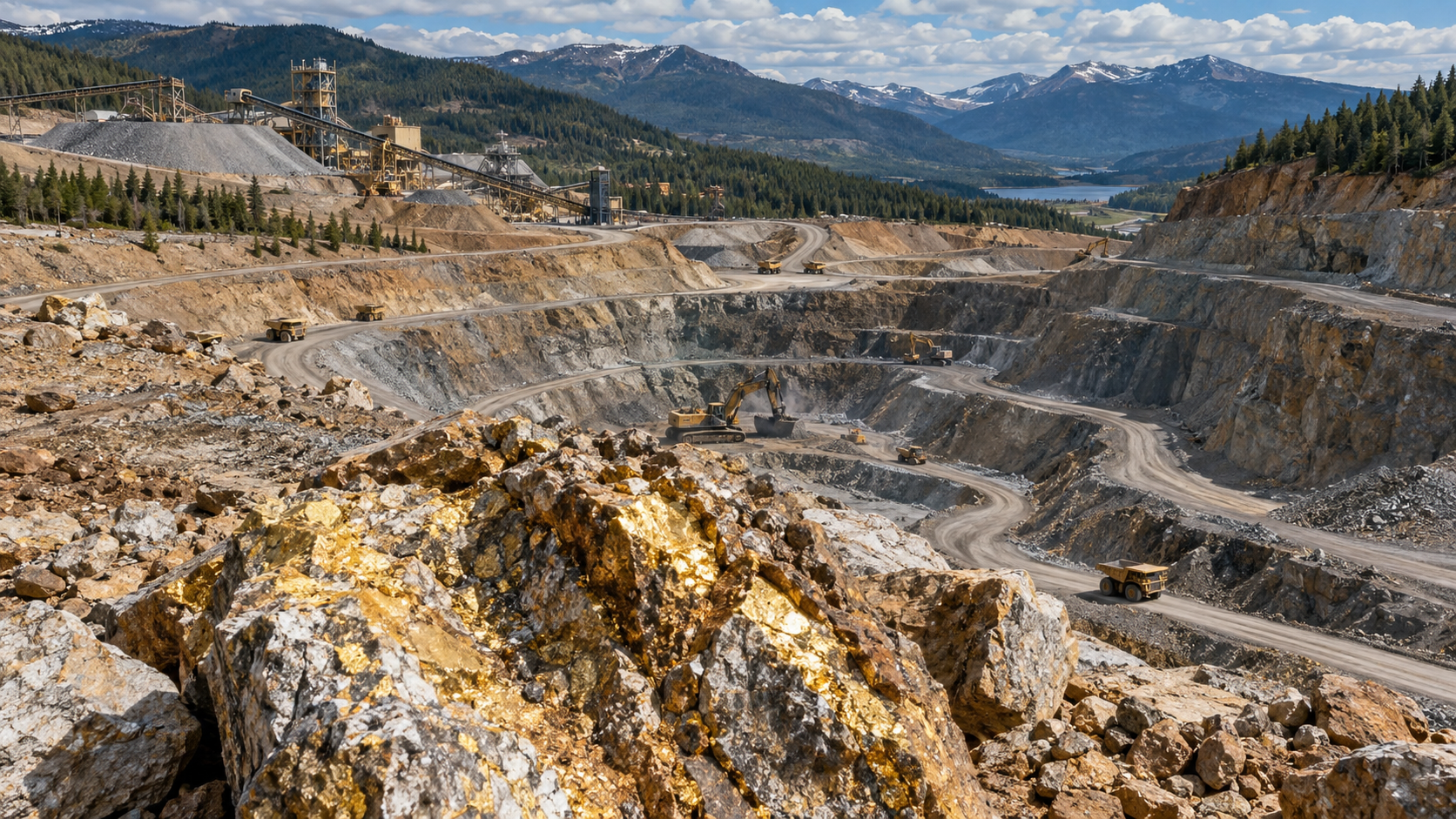
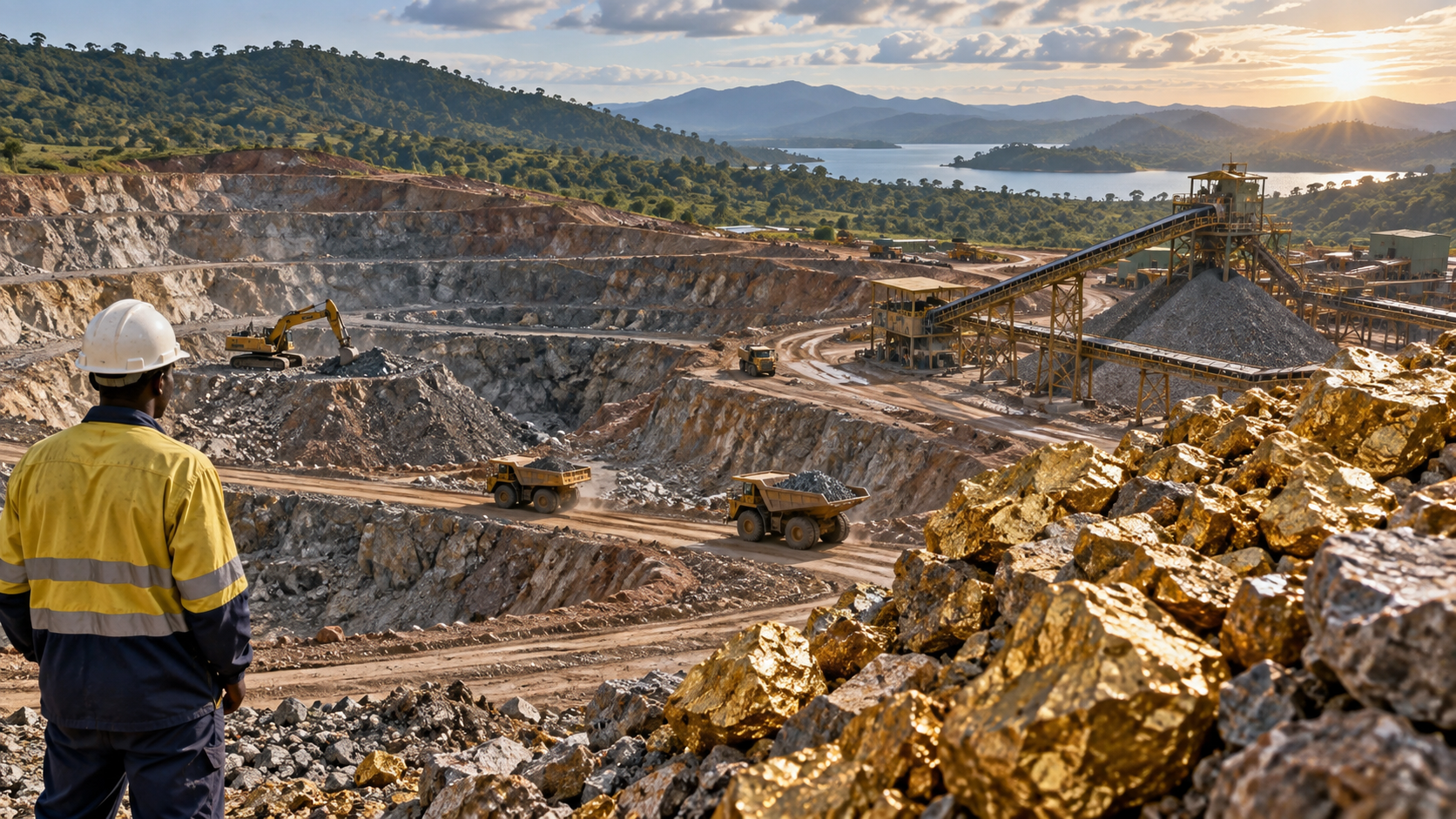
Uganda earned $3.4 billion from gold exports last year, yet nearly all the gold it produces at home comes from small-scale artisanal miners. A new $250 million, Chinese-owned mine is set to change that picture. The Wagagai project has started operations in the country’s east, adding a large-scale mine and refining capacity to an export business that also depends on gold brought in from elsewhere.
President Yoweri Museveni inaugurated the project on Saturday in Busia district, according to MINING.COM, which cited a statement from the president’s office. Owned by Wagagai Mining (U) Limited, the project occupies just over nine square kilometres. It is Uganda’s first large-scale gold mine and will refine the metal to 99.9% purity, putting both mining and the processing of bullion into the same project.
The plant is expected to handle 5,000 tons of gold-bearing ore a day and produce about 1.2 metric tons of refined gold each year, the statement said. That annual output target compares with Uganda’s total domestic production of just 0.0042 tons in 2023. Operations have begun, but the processing and production figures remain expectations rather than reported results. Reaching them is the next test for the new mine.
A gold exporter seeks a bigger mining base
Gold already accounts for a large share of Uganda’s overseas earnings. Central bank figures put last year’s gold export revenue at about 37% of the country’s total export income. But the $3.4 billion figure includes re-exports: gold imported into Uganda and then shipped abroad. It therefore does not represent earnings solely from metal mined within the country, a distinction that matters when weighing Wagagai’s role in the industry.
Uganda wants to expand mining and establish itself as a major gold producer as well as an exporter. Its mineral resources also include copper, cobalt and iron ore. Although gold export earnings have grown in recent years, they remain well below those of Ghana, Africa’s largest bullion producer. Ghana earned $11.6 billion from gold shipments last year, compared with Uganda’s $3.4 billion.
From refined gold to railways
Museveni placed domestic processing at the centre of that ambition in a statement issued late on Saturday. His message was that Uganda should add value to minerals at home, rather than focus only on extracting them. He included gold, lithium and tin among the minerals covered by that goal.
Uganda must fully add value to its minerals to revitalise the sector, Museveni said.
The president said gold export revenue would be used to develop assets including power stations and the railway. For landlocked Uganda, transport costs are another part of the export challenge. The country is building a €2.7 billion ($3.16 billion) standard-gauge railway, intended to lower the cost of moving exports and imports through neighbouring Kenya.
The immediate focus is Wagagai’s move from opening to delivering its expected output. Its progress will show how much this new source of domestically mined and refined gold can contribute alongside Uganda’s existing artisanal production and re-export trade.
Sources
Comments
No comments yet — be the first.