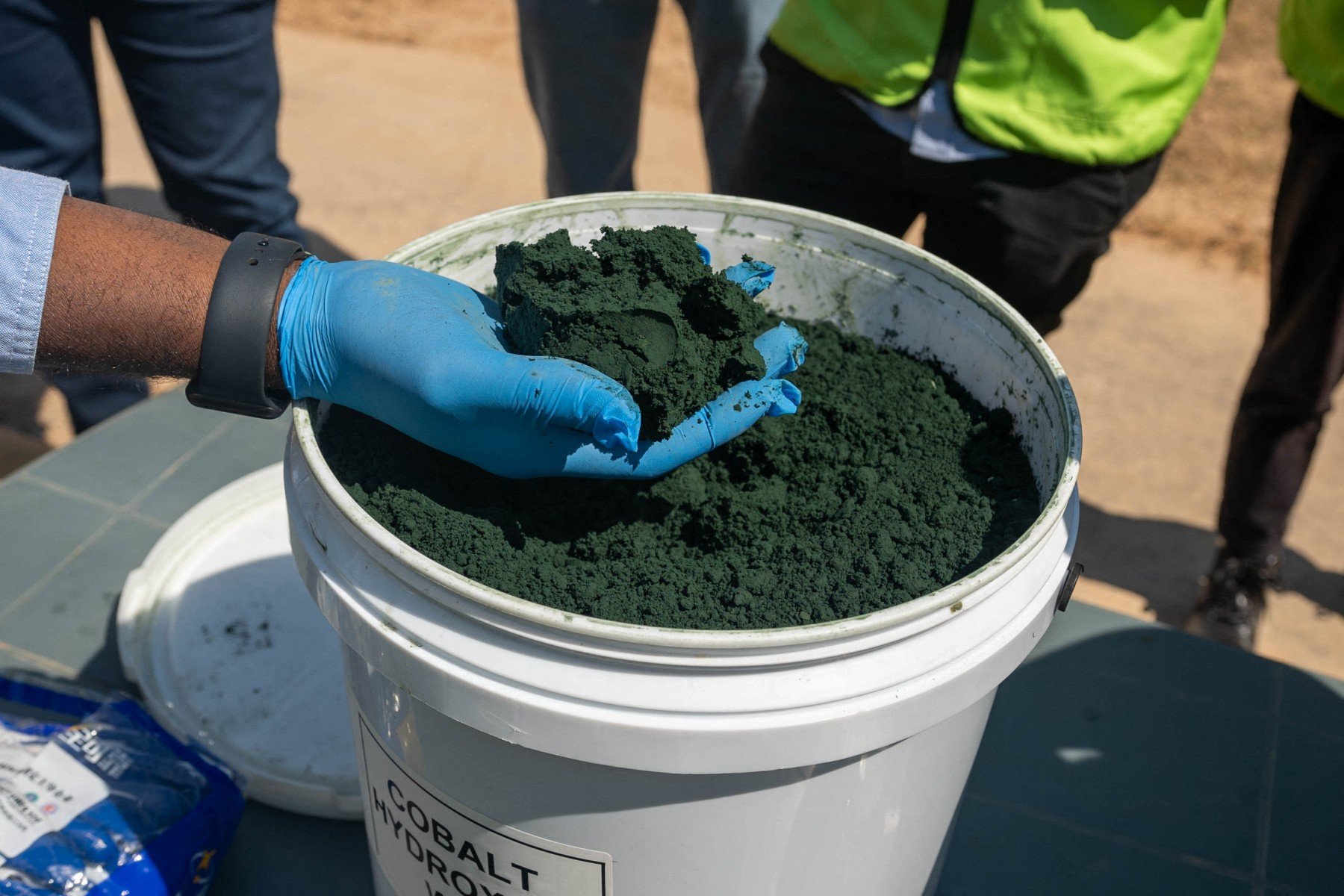
Uganda’s Mineral Output Surges, but Financing Is the Next Test
KCB Bank Uganda is calling for broader funding to help turn rising mineral production into local processing, manufacturing and industrial jobs.

Key takeaways
- Uganda’s mineral production value rose 97.3% to Shs286 billion in 2023, while volumes increased about 43%.
- KCB Bank Uganda called for financing that reaches beyond extraction into processing, trade and manufacturing.
- Officials said local processing could retain more mineral wealth and support wider industrial activity.
- KCB reported more than US$100 million in energy and mining financing across East Africa, not a new Uganda-specific commitment.
- Access to formal banking for artisanal and small-scale miners is part of the financing push.
The value of Uganda’s mineral production nearly doubled in a year. The challenge now is to turn that growth into businesses that process minerals and make finished products at home. KCB Bank Uganda is calling for more financing across those stages, arguing that access to money can help the country retain more of its mineral wealth, according to Nile Post Uganda (direct).
Uganda Bureau of Statistics figures put mineral production value at Shs286 billion in 2023, up 97.3% from Shs145 billion in 2022. Production volumes rose about 43% over the same period. Those gains provide the backdrop to a push for investment beyond extraction: funding not just the removal of minerals from the ground, but also the equipment, processing plants and businesses that can turn them into higher-value goods.
From mineral deposits to factory floors
That ambition shaped discussions at the 15th Annual Mineral Wealth Conference, held on September 29 and 30 at Speke Resort Munyonyo. More than 1,500 delegates attended, including 15 ministers and more than 500 chief executives. Minister of State for Energy Sidronius Okaasai Opolot said Uganda needed investment spanning exploration, mining, processing, refining and manufacturing. The aim, he said, was to move beyond mineral potential and establish industries that keep more economic value inside the country.
Jonard Asiimwe Akiiki, identified in the report as the minister for science, technology and innovation, argued that local processing offered wider industrial opportunities than raw-material exports. Turning minerals into steel, machinery, vehicle parts, tools and building systems could add value at successive stages, he said. It could also create business and employment opportunities in engineering, transport, finance and other services, alongside skilled jobs and tax revenue.
Closing the funding gap
Speaking on the conference’s final day, Timothy Wilkins Okanya of KCB Bank Uganda’s Corporate Banking division said lenders could help businesses move through the different stages between a mineral deposit and a saleable product. Funding needs include early operations, equipment purchases, processing, trade and expansion into industries that use mineral products.
“The gap between what’s under the ground and what reaches the market is the financial gap,” said Okanya.
Okanya said the bank could draw on KCB Group’s regional network to arrange working capital, or cash for everyday operations; trade finance to support buying and selling; and asset finance for equipment. He also listed supply-chain finance, which supports payments between businesses, guarantees and foreign-exchange services. Bringing artisanal and small-scale miners into the formal financial system was another priority, he said, because it would give more operators access to banking and potential funding as they grow.
KCB says the group has provided more than US$100 million in financing for energy and mining businesses and projects across East Africa. That is a regional figure, not a new Uganda-specific funding pledge. The group operates in Kenya, Uganda, Tanzania, Rwanda, Burundi, South Sudan and the Democratic Republic of Congo. Its activities include support for businesses linked to iron ore, gold and the East African Crude Oil Pipeline supply chain.
Uganda’s energy and mineral development ministry has made local value addition, investment promotion, geological mapping and regulation priorities, alongside support for smaller miners. The next test is whether that policy direction and banks’ financing capabilities translate into funded operations, processing capacity and manufacturing businesses. The source identifies coordination among government, investors, mining companies, local enterprises and lenders as essential to that shift.
Sources
Investing involves risk. TGC value can fall. This is not investment advice.
Comments
No comments yet — be the first.