Unclaimed cattle vaccines at Busia spur Uganda’s border drug crackdown
Uganda’s drug regulator is tightening border checks after operations seized about Shs100 million in medicines and animal vaccines and closed 79 unlicensed outlets.

Key takeaways
- Two weeks of enforcement produced seizures of medicines and animal biological products worth about Shs100 million.
- Inspectors intercepted 92 vials of Lumpivax cattle vaccine and accompanying diluents at Busia.
- The regulator closed 79 unlicensed outlets and confiscated 210 boxes of pharmaceutical products in Western Uganda.
- No arrests were made at Busia or during the western operations.
- Bus operators are being asked to document parcels fully, while affected drug sellers must meet regulatory requirements to recover stock.
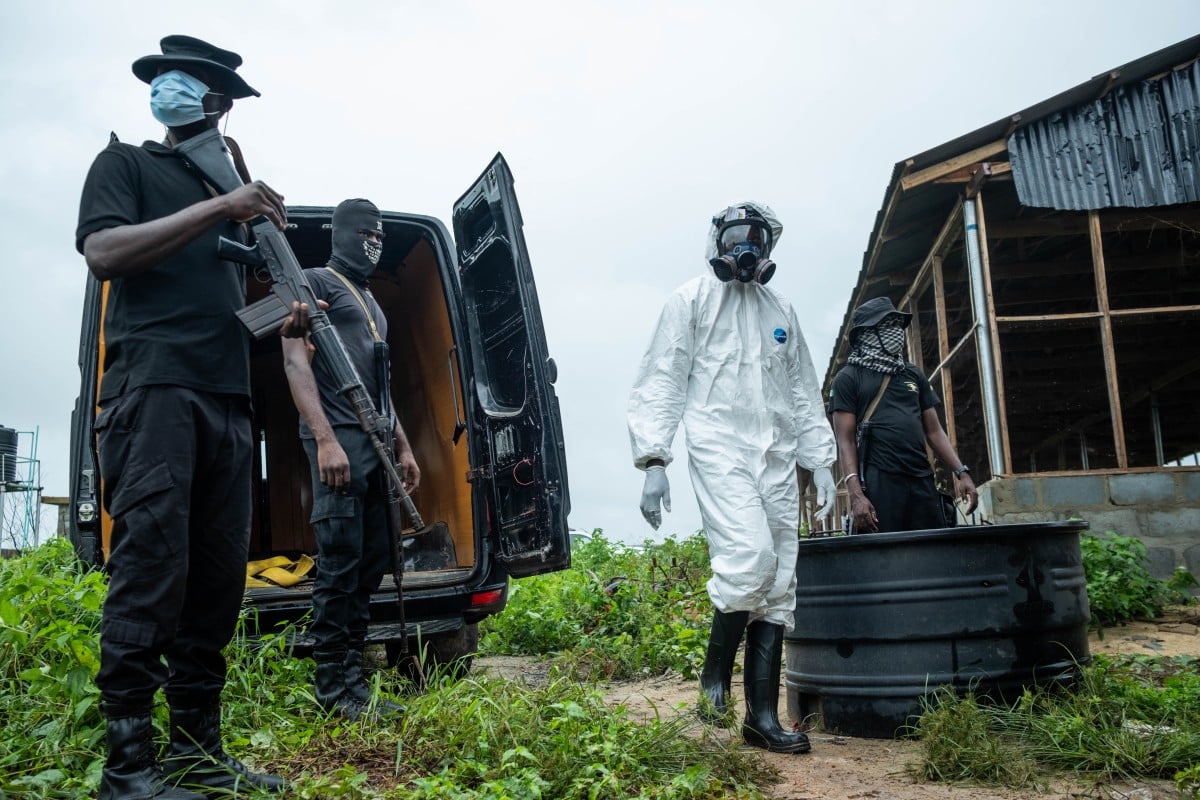
No passenger or crew member claimed the 92 vials of cattle vaccine intercepted at Uganda’s Busia border crossing. No one was arrested there, either. But the unclaimed shipment has sharpened the National Drug Authority’s focus on buses carrying illicit pharmaceutical cargo, as the regulator steps up border monitoring following enforcement operations that also closed 79 unlicensed drug outlets.
According to Daily Monitor Uganda (direct), the authority’s operations ran for two weeks across Western Uganda and the eastern border region. Medicines and animal biological products seized during the operations were worth about Shs100 million, the regulator said. That figure covers the wider seizures, rather than just the vaccines intercepted at Busia. Authority spokesperson Abiaz Rwamwiri outlined the findings at a press briefing.
A vaccine shipment with no owner
At Busia, targeted searches by security officers and drug inspectors uncovered 92 vials of Lumpivax and the diluents used to prepare the vaccine for administration. Lumpivax is used to prevent and control Lumpy Skin Disease in cattle. The authority described the shipment as illegal. With neither passengers nor crew accepting ownership, the interception produced a seizure but no suspect in custody.
Rwamwiri said investigations had identified increasing use of commuter buses to carry smuggled pharmaceutical supplies into Uganda. The authority is responding with stronger on-the-ground surveillance and intelligence gathering at key border crossings. It also wants public transport operators and bus companies to tighten parcel controls by keeping complete records and identification details for every package loaded before departure. The request puts cargo documentation at the centre of its response to the unclaimed shipment.
Rwamwiri’s warning, as reported by Daily Monitor Uganda, was clear:
Unlicensed medicine sellers and illegal veterinary drug shipments expose people and livestock to serious health risks.
Drug sellers face a licensing test
The western enforcement sweep covered Kiryandongo, Buliisa, Kagadi, Kibaale and Kyankwanzi districts. Teams closed 79 outlets operating without valid licences and took away 210 boxes of assorted pharmaceutical products. No suspects were arrested during those operations. The authority also drew a distinction between the licensing breaches and other possible offences: it said none of the affected premises was found running an illegal treatment centre or handling prescription-only human medicines beyond its legal remit.
For the businesses involved, recovering confiscated stock now requires a direct approach to the regulator. Rwamwiri said the products remain in the authority’s custody and owners seeking their return must present themselves to meet licensing and other regulatory requirements. He warned that medicines moving through unauthorised channels can be unregulated, substandard or used inappropriately, creating risks for both human and animal health.
The next focus is stronger oversight at border crossings, better parcel records on buses and compliance by drug sellers whose stock was seized. The authority says its operations form part of its duty to oversee medicines and healthcare goods. It has urged commercial dealers to follow the rules, advised buyers to use licensed pharmacies and approved outlets, and asked the public to report suspected trafficking or illegal drug businesses.
Sources
Investing involves risk. TGC value can fall. This is not investment advice.
Comments
No comments yet — be the first.