A $29 tank in Qatar, $132 in Germany: the policies behind the petrol gap
Taxes, subsidies and national pricing rules explain why the same global oil market produces sharply different fuel bills across Europe and the Arab world.
Key takeaways
- A 50-litre petrol purchase costs about $29 in Qatar, compared with $132 in Germany.
- The UAE’s October Special 95 price rose to Dh4.28 a litre, putting a 50-litre fill at roughly $58.
- Jordan’s approximately $96 tank bill shows that Arab countries do not share one low-price fuel market.
- European fuel taxes and different national approaches to subsidies and price regulation explain much of the gap.
- Monthly pricing reviews and consumer-relief measures are the next developments to watch.
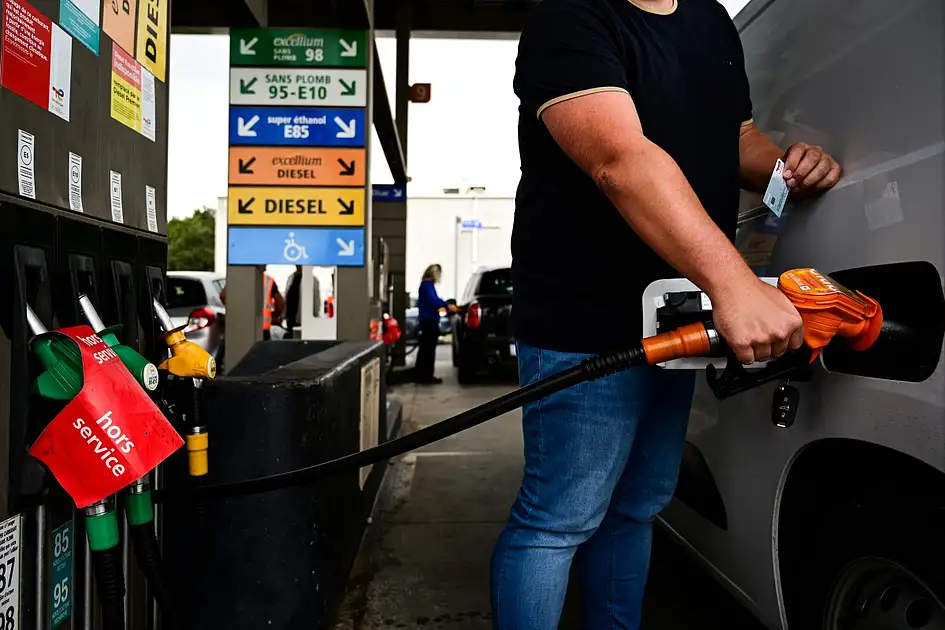
Filling a 50-litre sedan costs about $29 in Qatar and $132 in Germany. The drivers buy the same amount of petrol, but the German motorist pays more than four times as much. That gap shows how strongly government policy shapes household fuel bills, even when countries face the same global oil market, according to a comparison published by Khaleej Times.
Higher crude prices and geopolitical tensions have put pressure on fuel markets across several countries. Yet the cost reaching motorists depends on more than oil. Taxes, subsidies and rules governing when pump prices change can either increase the bill or cushion the rise. For drivers, the challenge is not simply watching international energy prices: it is understanding how their own country passes those costs through.
One tank, sharply different bills
In the UAE, Special 95 petrol increased to Dh4.28 a litre for October from Dh3.69 in September. At roughly $1.17 a litre, a 50-litre fill costs about $58. Qatar’s Super 95 remains at QR2.10 a litre, around $0.58, putting the same purchase at about $29. Egypt’s regulated price for 95-octane petrol is EGP24 a litre, approximately $0.46 at the exchange rates used in the report, or about $23 per tank.
Jordan is the important exception to any simple divide between cheap Arab fuel and expensive European fuel. Its October price for 95-octane petrol rose to JD1.36 a litre following increases in global crude and petroleum product prices during September. That is about $1.92 a litre, or $96 for 50 litres—far closer to European bills than those in Qatar or Egypt.
The European Commission figures cited by Khaleej Times put petrol at about €2.35 a litre in Germany, €2.21 in France, €2.16 in Italy and €1.94 in Spain. Converted into dollar costs for a 50-litre tank, those prices amount to roughly $132, $124, $122 and $109 respectively. The comparison also shows why being an oil producer is not, by itself, enough to explain what motorists pay.
Taxes and pricing rules set the pace
European petrol prices include substantial taxes. Excise duties—taxes charged on fuel—sit alongside value added tax and other charges. These add to the underlying fuel cost. The European Commission publishes prices before and after tax, making that contribution visible. The Commission also said prices remained high despite stable oil supplies, with several member states taking steps to ease the burden on consumers.
Fuel prices remain high despite stable oil supplies, according to the European Commission, as reported by Khaleej Times.
Arab countries use different approaches. Some oil-producing Gulf states keep domestic prices comparatively low, while subsidies or regulated prices elsewhere limit how quickly international increases reach consumers. The UAE adjusts prices monthly to reflect global energy markets. Jordan also conducts monthly reviews, but its authorities said increases were being introduced gradually rather than passing on the full international rise. Egypt continues to regulate domestic fuel prices.
The next monthly pricing reviews in the UAE and Jordan are therefore worth watching, alongside European consumer-relief measures. They will show how national rules translate global energy pressure into the next fuel bill. The oil market is shared; the speed and scale of what drivers pay are not.
Sources
Comments
No comments yet — be the first.