Capital Costs vs Operating Costs: Why Busy Is Not Cash-Rich
Understand capital costs, operating costs and cash flow—and why a working mine or machine may need time to recover its investment.

Key takeaways
- Capital costs acquire or improve productive assets; operating costs keep the business running.
- Working capital bridges the timing gap between paying expenses and collecting cash.
- Accounting profit, positive operating cash and recovery of the initial investment are different milestones.
- A busy operation may still need cash for equipment, maintenance, inventory and other obligations.
A shop is full of customers. The till keeps ringing. Yet the owner still worries about paying next month’s bills. How can a busy business be short of cash?
The answer often starts with two different demands on money: building the operation and keeping it running. A shopkeeper buys refrigerators before selling groceries. A mining operator buys equipment and prepares a site before productive work can begin.
At Teqwah, we see this distinction as essential to understanding productive investment. The opportunity is exciting precisely because value must be created through execution—not simply through owning a machine.
Being busy shows activity. Producing net cash means collecting enough money to cover the spending that activity requires.
1. Capital costs: paying to make work possible
Capital expenditure, often shortened to capex, is spending to acquire or improve assets that will support a business over time.
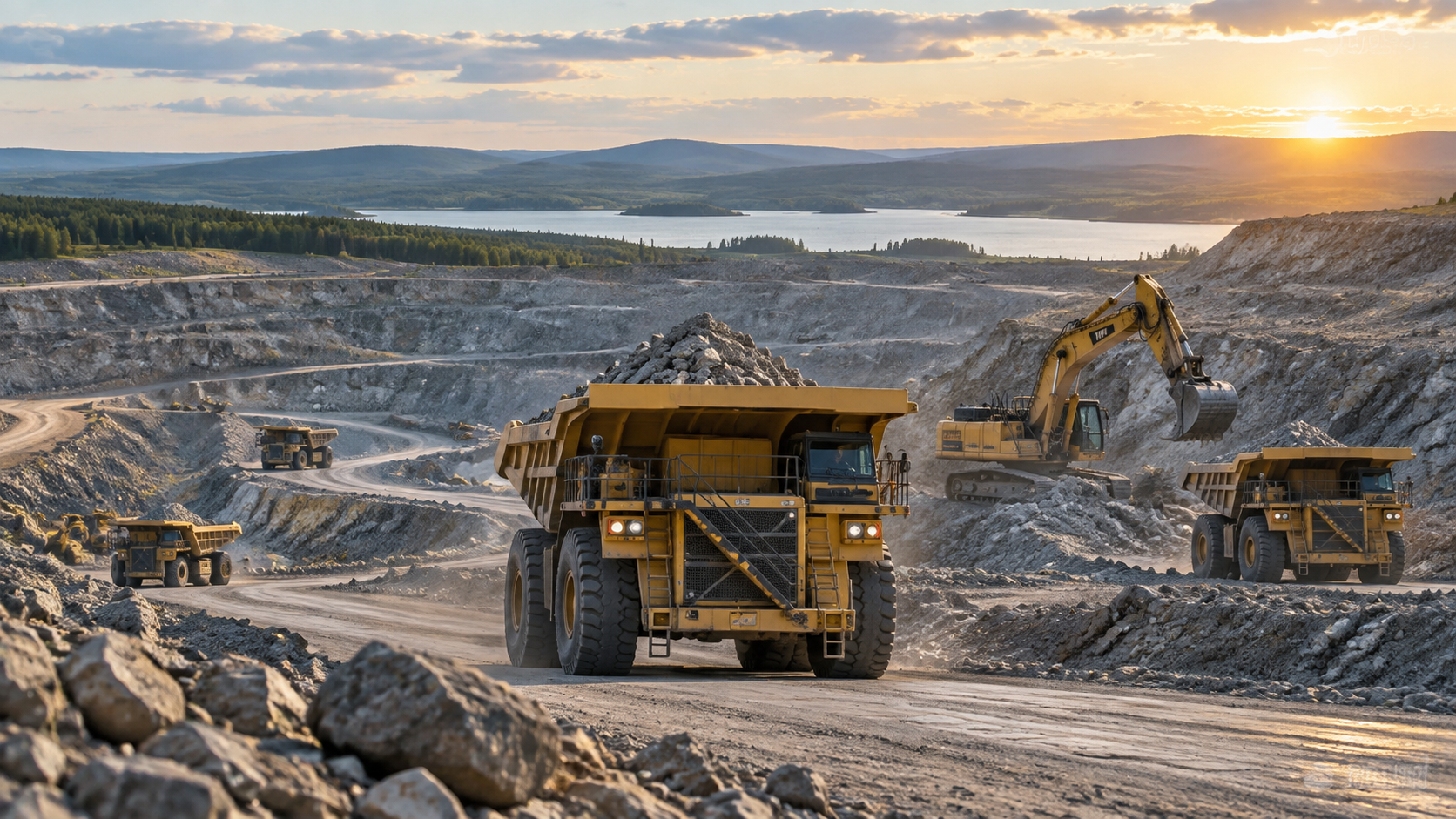
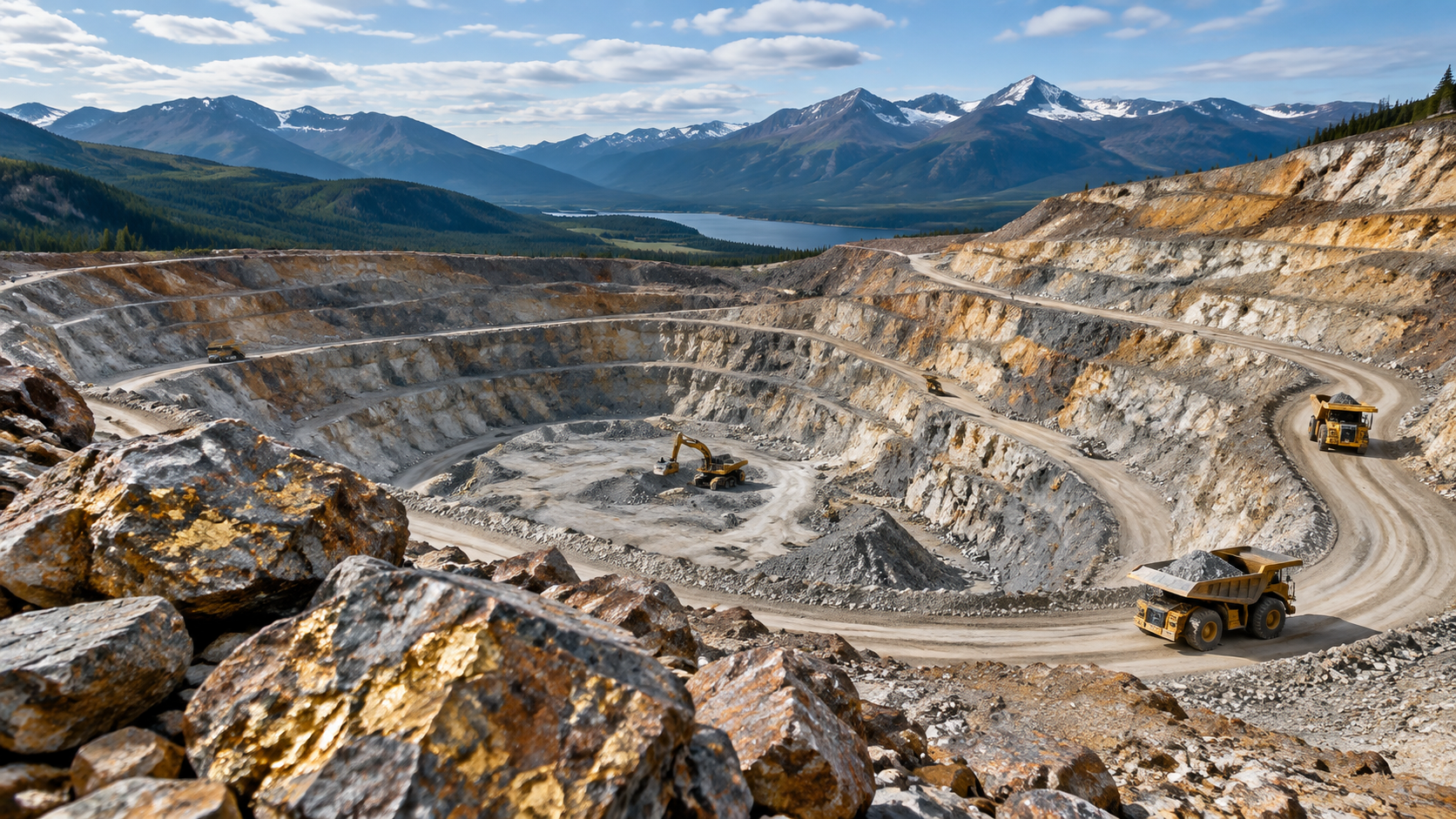
For a shopkeeper, that might mean refrigerators and shelving. For a mining operation, it can mean machinery, processing equipment and qualifying work to prepare a site for use.
This spending creates capacity: the ability to do productive work. But capacity is not the same as sales, profit or cash in the bank. Equipment may still need delivery, installation and testing before it contributes to production.
Nor does every early expense automatically become capex. Accounting treatment depends on the nature of the spending and the applicable rules. Some preparation or start-up expenses must be recognised immediately rather than added to an asset’s recorded cost.
Why this matters: an operation can own valuable equipment while still needing money to reach its first productive day.
2. Operating costs: paying to keep work moving
Operating expenditure, or opex, covers the ongoing costs of running a business. Buying a machine does not buy its future fuel, its operator’s time or every replacement part it will need.
Typical running costs include:
- Fuel and power consumed during work.
- Wages for operators and support staff.
- Routine servicing, repairs and consumable parts.
- Recurring transport, security and other operating services.
Some costs rise with activity. More machine hours usually mean more fuel consumption. Others continue even when output slows, such as certain staffing or site-security costs.
Imagine a small miner whose equipment stops for repairs. Production may pause, but several bills keep arriving. That is why utilisation—the share of available time equipment actually works—matters alongside ownership.
The dividing line also requires judgement. Routine maintenance is generally a running expense; a major upgrade that extends an asset’s useful life may qualify as capital expenditure.
Why this matters: more output helps only if the value it generates justifies the additional cost.
3. Why profit and cash can tell different stories
Suppose our shopkeeper sells groceries to a customer who will pay later. The sale may count as revenue before the cash arrives. Meanwhile, suppliers and employees still expect payment.
This timing gap creates a need for working capital: funds supporting day-to-day operations while money is tied up in stock or unpaid customer invoices.
Equipment introduces another difference. A machine bought outright uses cash when it is paid for. In the accounts, its cost is commonly spread over its useful life through depreciation, rather than charged entirely against profit on purchase. Depreciation reduces accounting profit without being a new cash payment that period.
A useful simplified cash check is:
Cash collected − operating cash payments − equipment and other capital payments = cash left before financing and other obligations.
This is not a complete accounting formula. Taxes, financing movements and other payments can also matter. Its purpose is to separate cash movement from reported profit.
Why this matters: a profitable period does not automatically leave money available for withdrawal.
4. Covering running costs is not recovering the investment
Picture a newly equipped operation collecting enough money to pay its fuel, staff and routine service bills. That is meaningful progress. But it does not mean the original equipment and site investment has been recovered.
There are three different milestones:
- Operating coverage: ongoing receipts cover ongoing cash costs.
- Positive cash after capital spending: receipts also cover capital payments during the period.
- Investment payback: accumulated net cash has recovered the initial outlay.
An operation can reach the first milestone well before the third. Expansion can absorb cash again, even after daily work becomes productive. So can replacing worn equipment.
Payback is therefore not a countdown that automatically ends on a fixed date. It depends on actual output, selling conditions, collections, downtime and costs. If performance disappoints, recovery can take longer—or may never happen.
Why this matters: ask what “break-even” means before treating it as evidence of cash generation.
5. What we want participants to understand
For people who see potential in gold but cannot run a mine themselves, understanding these layers makes participation more informed.
At Teqwah, we deploy capital across gold mining, physical gold trade and productive machinery, with selected real estate considered when it fits our mandate. Participants hold TGC as one proportional participation in our unified pool; they do not select individual projects.
Our assets are bought outright rather than financed. That removes interest costs and debt servicing, but it does not remove fuel bills, maintenance needs or operating risk. Machinery funding and mobilisation can take time, while utilisation varies with site demand and maintenance windows.
When assessing any productive operation, we encourage three questions: what must be purchased, what must be paid repeatedly, and when does cash actually arrive?
That is the opportunity we are working to build at Teqwah: connecting participation with productive assets and real operating work, while keeping the distinction between activity and financial results clear.
Frequently asked questions
Is buying equipment an operating cost?
Usually, equipment expected to serve the business over several periods is a capital purchase. Routine fuel and maintenance are generally operating costs. The exact treatment depends on accounting rules and the spending involved.
Can a busy operation still have negative cash flow?
Yes. Equipment payments, unpaid customer invoices, inventory purchases or high running costs can exceed cash collected, even while work continues.
Does positive operating cash mean participants can receive money?
Not automatically. Capital needs, other obligations and participation terms still matter. Recorded value and cash available for payment are different concepts.
Explore how we connect participation with productive operations at teqwah.com.
Investing involves risk and values can fall. This article is education, not financial advice.
Teqwah view
At Teqwah, we connect participation with gold mining, physical gold trade and productive machinery through our unified pool. We believe understanding what starts an operation—and what keeps it running—helps you see the opportunity with clearer eyes. Our assets are bought outright, but operating costs and the risk of losses remain.
Sources
Investing involves risk. TGC value can fall. This is not investment advice.
Comments
No comments yet — be the first.