Revenue Is Not Profit: What Gold Mining Really Earns
Learn the difference between revenue and profit, why mining costs matter, and how to look beyond gold sales to understand operating results.

Key takeaways
- Revenue measures sales; profit reflects what remains after relevant costs and obligations.
- A strong gross profit can become a weak net result once further expenses are accounted for.
- Fuel, wages, maintenance, processing, transport and local arrangements can materially change mining results.
- Revenue, profit and available cash are different measures; understand the calculation before interpreting a participation outcome.
A shopkeeper finishes a busy day with a full cash drawer. Has the shop made money? Perhaps. But the stock supplier, staff and electricity bill still need to be paid.
A gold mine faces the same question on a larger scale. Selling gold brings money into the business. It does not, by itself, tell us what the business has earned.
At Teqwah, we see understanding that difference as a powerful first step towards informed participation. Gold creates an exciting opportunity, but execution determines what remains after the work is done.
Revenue tells us what sales bring in. Profit tells us what remains after the relevant costs and obligations.
Revenue vs profit: what is actually left?
In everyday language, revenue is money received from sales. In accounting, revenue can be recognised before payment arrives, so sales and cash receipts do not always happen together.
Profit goes further. It is revenue minus the relevant costs and expenses for the period. When those costs exceed revenue, the result is a loss.
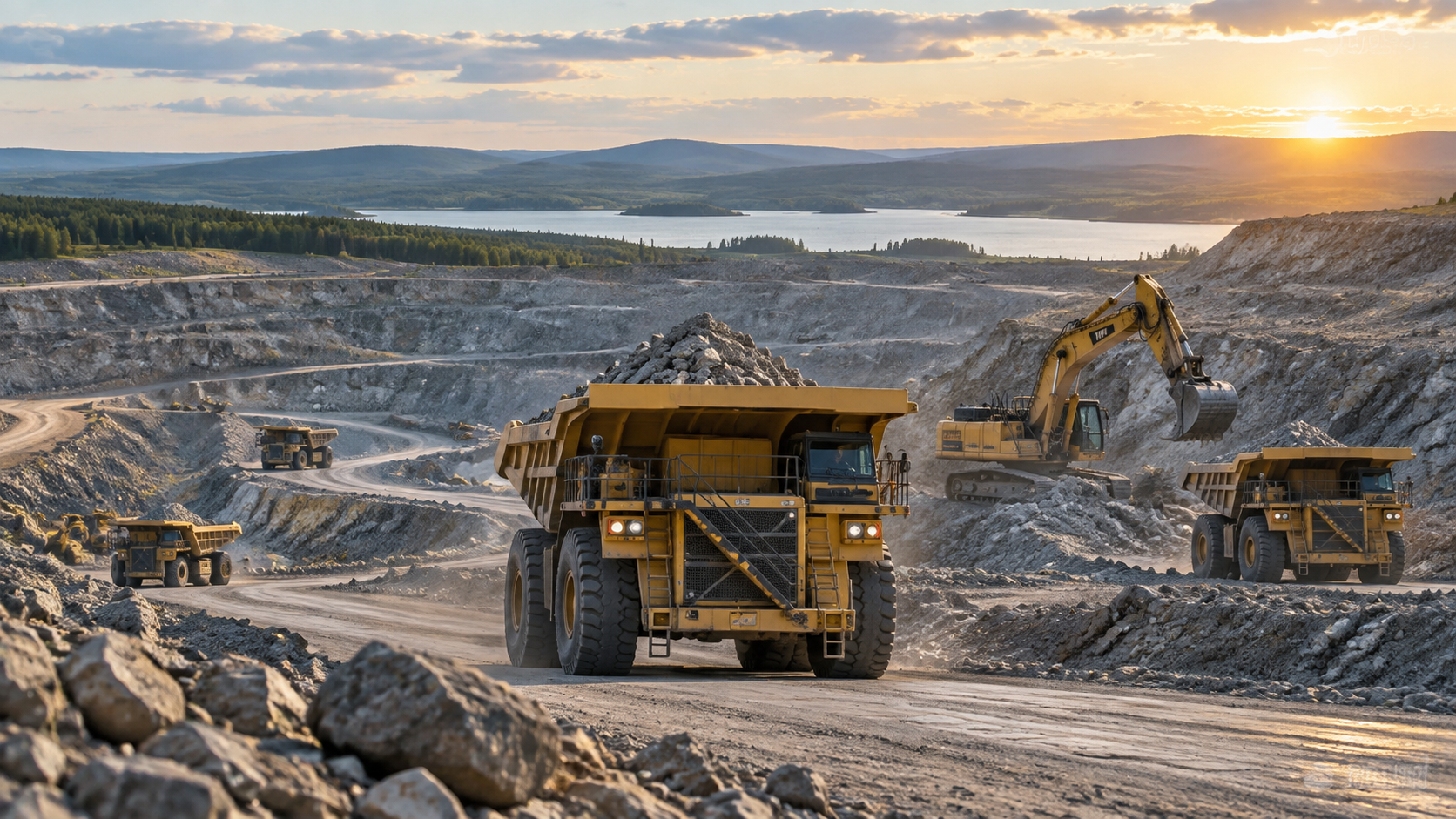
Imagine a small miner selling a batch of gold. The sale is the starting point, not the final result. Fuel was consumed. Workers did the extraction and processing. Equipment needed attention. Someone had to move the gold to its buyer.
We should therefore ask two questions: How much was sold, and what did it cost to achieve those sales?
Why this matters: a business can increase revenue while earning less profit if its costs rise faster than its sales.
A strong gross result can hide a weak net result
Suppose a shopkeeper subtracts the cost of purchased stock from sales. What remains is gross profit. Rent, administration and other expenses may still need to come out before arriving at net profit.
Mining follows the same broad logic, although the classification of costs depends on the accounting framework and the operation. Gross profit generally subtracts the cost of producing what was sold. Net profit accounts for the remaining relevant expenses and obligations.
That is why a headline such as “strong gold sales” is incomplete. Even a healthy gross profit may leave a modest net result after further costs.
When we read a financial result, we should check:
- Is the figure revenue, gross profit or net profit?
- Which costs have already been deducted?
- Which obligations remain to be accounted for?
- Does the figure cover the same period as the costs?
A label is useful only when we understand what sits behind it.
The mining costs that change the outcome
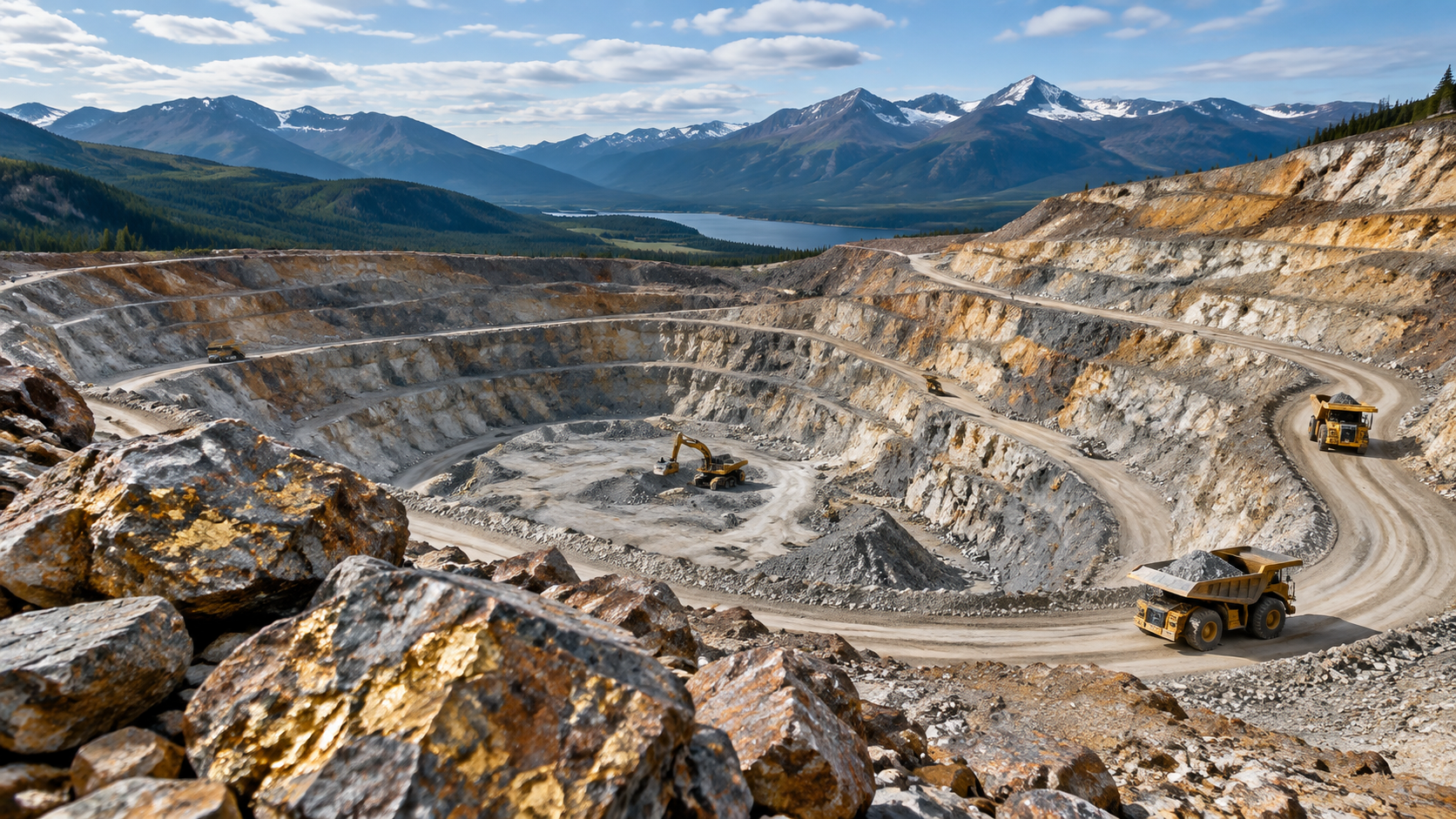
For a small miner, the challenge is not simply finding gold. It is recovering and selling it at a cost that leaves value behind.
Fuel and wages. Machines need energy, and people need paying. More operating hours can mean more production, but also more spending. Extra activity is worthwhile only if its additional output supports its additional costs.
Maintenance. Equipment wears out. Repairs can require parts and labour while also stopping production. Skipping maintenance may improve today's cash balance while creating a more expensive problem later.
Processing. Extracted material is not the same as saleable gold. Recovering gold requires work and resources. Material with less recoverable gold can require more effort for the same saleable output.
Transport. Moving supplies, equipment and gold has a cost. Difficult access or delays can change the economics of an otherwise promising operation.
Local arrangements. An agreed landowner share or other lawful contractual obligation can affect what remains. Such arrangements must be understood rather than treated as an afterthought.
The lesson is practical: gold sales are visible, but the less visible operating details can decide the result.
Profit is not the same as available cash
Imagine the shopkeeper makes a profitable sale on credit. The accounts may show profit, but the money is not yet available to pay tomorrow's bills.
The reverse can also happen. Cash arrives from a new investment, yet that receipt is not sales revenue or operating profit.
Mining adds another distinction: buying equipment uses cash, but its full purchase cost is not necessarily an immediate expense. Accounting commonly spreads the cost of a long-lived asset over its useful life through depreciation.
So we should separate three ideas: sales generated, profit earned and cash available. They are connected, but they are not interchangeable.
Why this matters: a profitable operation can still face cash pressure. And a large bank balance does not, on its own, demonstrate profitable activity.
How we connect this lesson to participation
For people who see potential in gold but cannot run a mine themselves, understanding these distinctions helps turn interest into better questions.
At Teqwah, our participation unit, TGC, records a proportional share of our unified pool across gold mining, physical gold trade, productive machinery and selected real estate. Participants hold one participation rather than choosing individual projects.
Our risk disclosure describes the mining calculation from gross site output: deduct the landowner's agreed cut, fuel, labour and operational costs to arrive at net profit. That net profit is split 70% to participants and 30% to us as managing partner. Approved partner referral commissions are deducted from participants' share of recorded positive daily profit before it enters TGC value; loss days pay no commission.
This is why we encourage readers to understand the calculation, not simply notice a percentage. TGC value reflects recorded pool value divided by circulating units; it is not an exchange-traded market price and can fall.
The opportunity we are building at Teqwah depends on productive work and recorded outcomes. Explore the details at teqwah.com, with the costs and risks in view alongside the potential.
Frequently asked questions
Can revenue rise while profit falls?
Yes. If fuel, wages, maintenance or other relevant expenses rise faster than sales, a business can report higher revenue but lower profit, or a loss.
Is gross profit money available to participants?
Not necessarily. Further expenses and obligations may remain. Participation terms also determine how recorded results affect participants; a gross figure alone does not establish a payout.
Does selling more gold always improve the result?
No. More sales help only when the additional revenue outweighs the additional relevant costs. Efficient recovery and disciplined spending matter alongside volume.
Ready to look beyond the sales headline? Explore TGC →
Investing involves risk, values can fall, and this article is education, not financial advice.
Teqwah view
At Teqwah, we connect participation with real gold mining, physical gold trade and productive assets through TGC. We believe the opportunity is worth understanding from the ground up: recorded operating results matter, and both profits and losses affect value.
Sources
Investing involves risk. TGC value can fall. This is not investment advice.
Comments
No comments yet — be the first.