What Are Tailings? Mining Waste and Why Investors Should Care
Learn what tailings are, how they can affect water and communities, and why responsible planning matters when assessing gold mining investments.
Key takeaways
- Tailings are the material remaining after valuable minerals are separated from ore; they are different from unprocessed waste rock.
- Their chemical and physical properties determine potential risks to water, land and nearby communities.
- Responsible planning includes testing, suitable storage, water management, monitoring, emergency arrangements and closure.
- Tailings infrastructure, operating costs and long-term obligations belong in any serious assessment of mining economics.
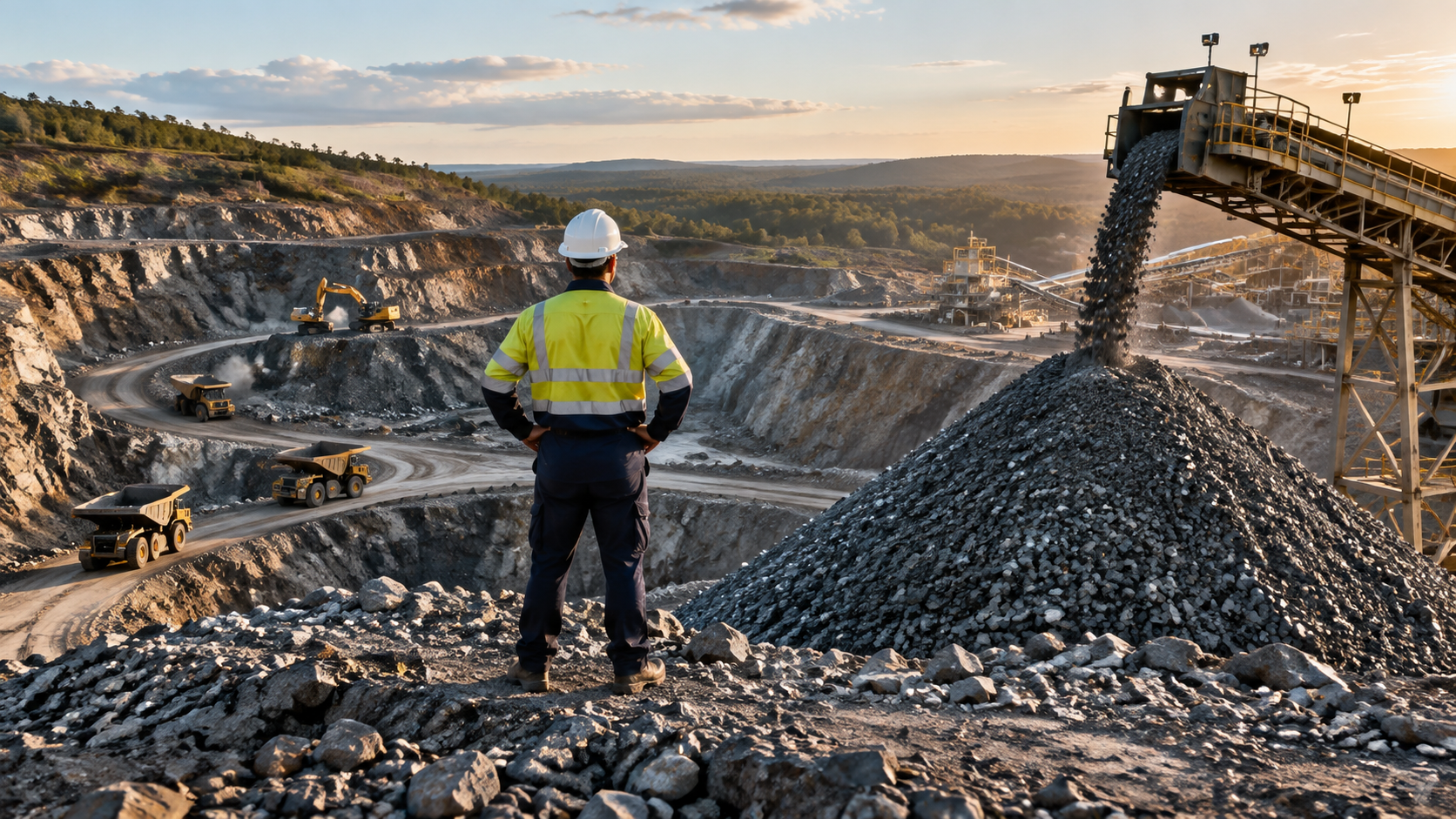
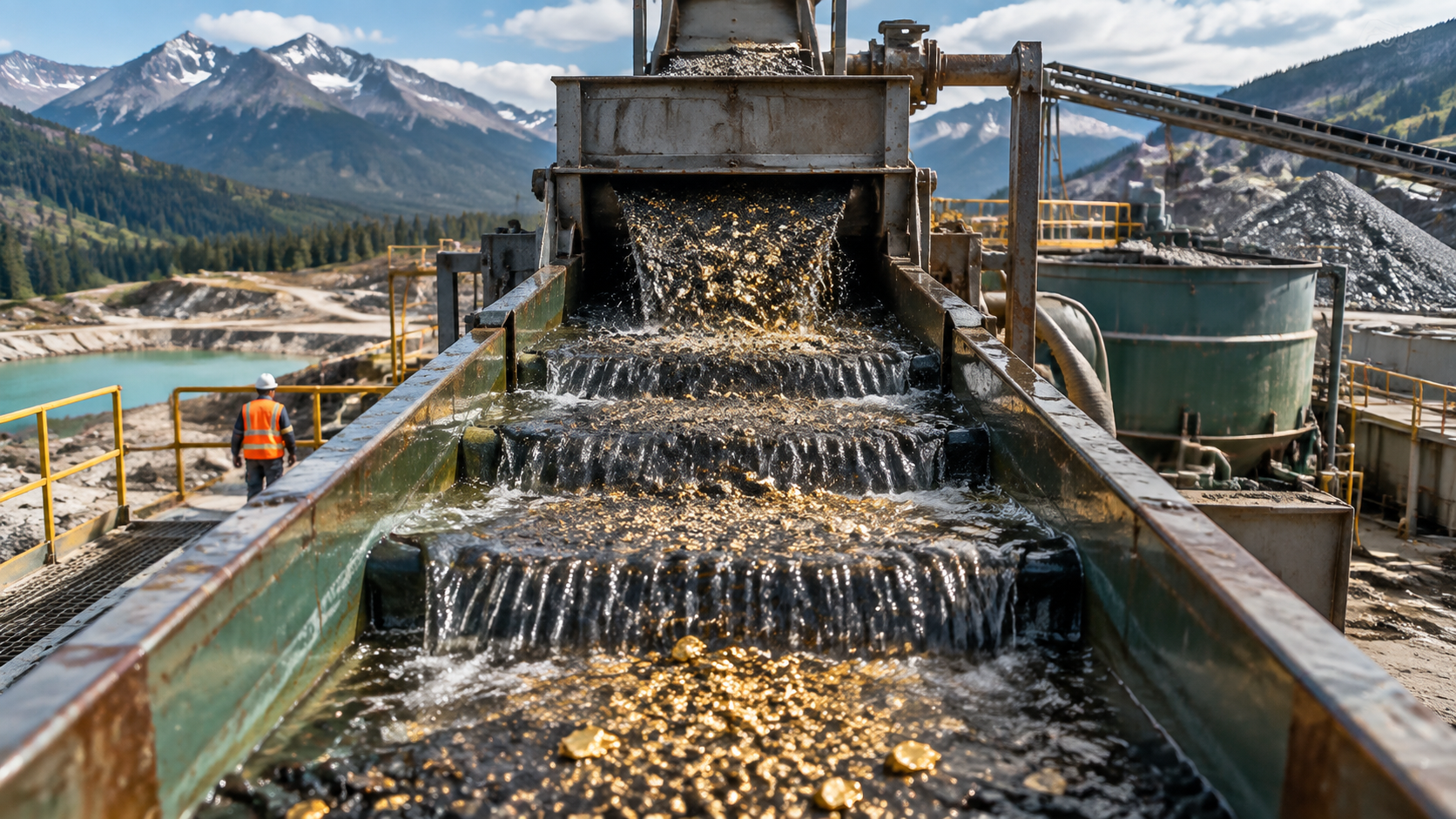
Imagine watching a small miner recover gold from a load of crushed rock. The gold is collected. The equipment stops. But almost all the material is still there. Where does it go?
That question takes us to tailings: the material left after valuable minerals are separated from ore. They may look like ordinary sand or mud, but handling them is an important part of running a mine responsibly.
At Teqwah, we want readers to understand the work behind gold, not just its appeal. For anyone considering mining exposure, understanding what remains after processing helps reveal the costs, responsibilities and decisions behind potential value.
Recovering gold is only part of the job. Managing what remains belongs in the plan from the beginning.
What are tailings, in plain language?
Ore is rock or earth containing minerals worth extracting. Processing separates the valuable portion from the rest. That remaining material is called tailings.
Depending on the ore and processing method, tailings can contain finely ground rock, water, naturally occurring minerals and residual processing substances. They may leave a plant as a watery mixture, known as slurry, or have water removed before storage.
Think of making coffee: the drink is the product you want, but the grounds still need somewhere to go. The comparison explains separation, not safety. Unlike coffee grounds, mine tailings can present chemical and physical hazards requiring specialist assessment.
Tailings also differ from waste rock, which is rock removed to reach ore but generally not sent through mineral processing.
Why does this distinction matter? Different materials need different handling plans. Calling everything “dirt” hides the decisions that determine costs and environmental protection.
Why can tailings affect water, land and neighbours?
Picture a family farming downstream from a mine. Their concern is practical: will the water remain suitable for their crops and daily needs?
Tailings can affect water if fine particles or dissolved substances move beyond the storage area. Some contain sulphide minerals that can generate acidic drainage when exposed to air and water, potentially releasing metals. This does not happen with every tailings deposit; the material's chemistry matters.
Exposed, dry surfaces can also generate dust. Storage takes up land. If a containment structure fails, released material can cause serious harm to people, waterways and surrounding areas.
These are distinct risks, not one generic “waste problem”. A responsible assessment asks what the material contains, how it behaves, where water flows and who could be affected.
For investors, the lesson is straightforward: a productive mine also has obligations beyond its processing equipment. Environmental damage and disruption can carry human consequences as well as substantial financial costs.
What should a responsible tailings plan include?
Imagine opening a busy shop without planning rubbish collection, drainage or building maintenance. Sales might start quickly, but neglected basics would soon interrupt business.
A mine needs a much more demanding version of that forward planning. Tailings management should begin before production, rather than becoming a problem to solve once storage fills up.
A responsible plan considers:
- Material testing: understanding the physical properties and chemistry of the tailings.
- Site and storage design: assessing ground conditions, rainfall, water flows and consequences for nearby communities.
- Water management: controlling seepage and runoff, and recovering process water where feasible.
- Monitoring and response: inspecting facilities, tracking performance and preparing emergency arrangements.
- Closure and aftercare: planning for stability, rehabilitation and monitoring after mining ends.
Community engagement matters throughout. People who live nearby need meaningful opportunities to raise concerns, not simply announcements after decisions are made.
The key financial point is timing. These responsibilities should influence project design and budgets from the outset. Postponing them does not make their cost disappear.
Is there one best way to store tailings?
A reader may reasonably ask: why not just remove the water and avoid the problem?
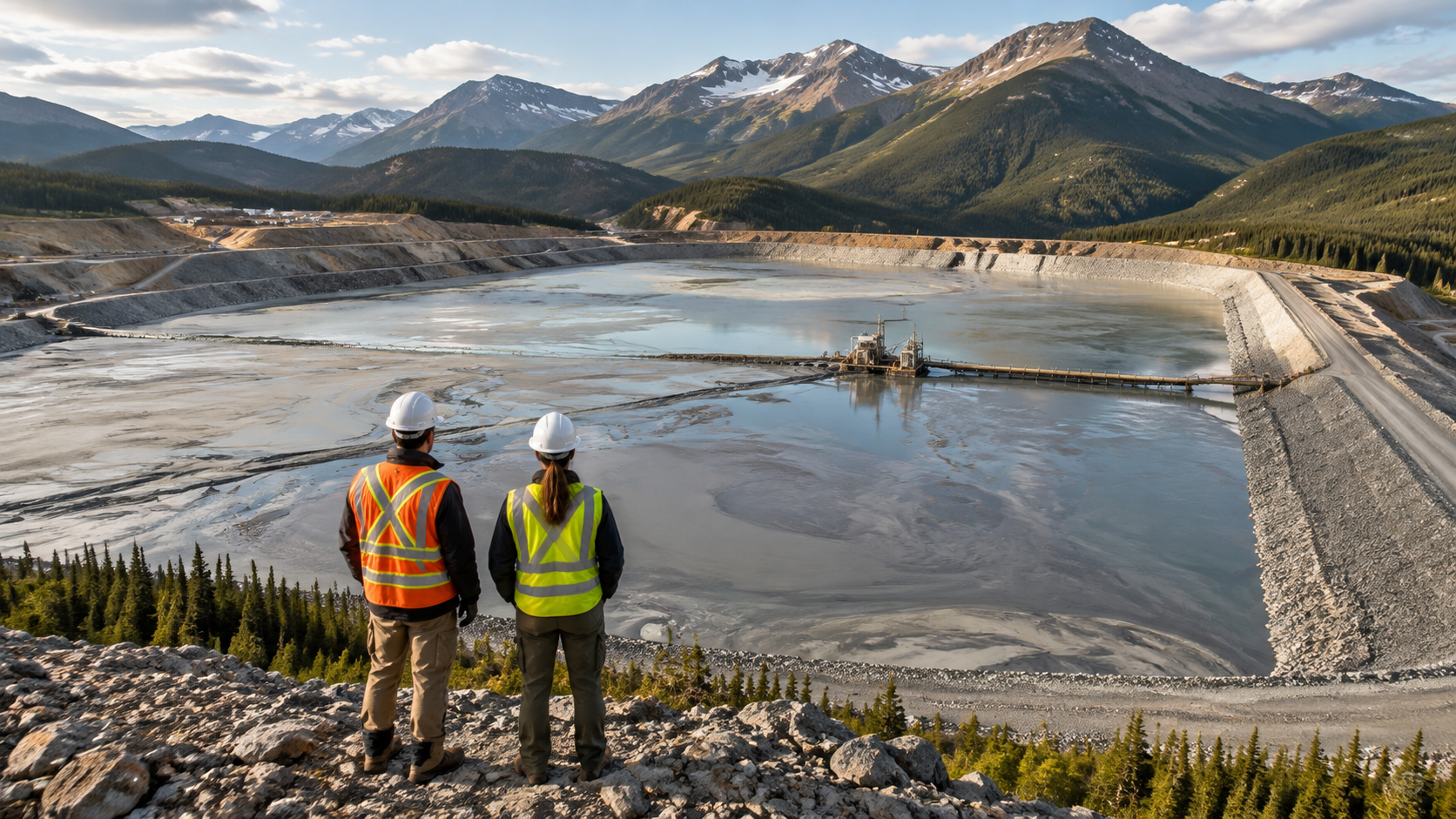
Removing water can change how tailings are handled. Some facilities store slurry behind engineered containment structures. Others use thickened, paste or filtered tailings, which have progressively different water contents and handling requirements. Filtered tailings may be placed and compacted in stacks.
But “drier” does not mean “risk-free”. Filtration needs equipment and energy. Stacked material still needs drainage, stability assessment and dust control. Wetter facilities require careful management of both stored material and water.
Choosing a method depends on the ore, climate, terrain, production rate and other site conditions. No label replaces sound engineering, competent operation or ongoing oversight.
For a small miner, the cheapest-looking option today may create expensive constraints tomorrow. For an investor, the useful question is not whether a method sounds modern, but whether it suits the site and has a credible operating plan.
How should investors think about tailings costs?
A shopkeeper does not measure profit by sales alone. Rent, staff, maintenance and waste collection all matter. Mining follows the same basic logic, although the responsibilities are more complex.
Tailings can require initial infrastructure spending, continuing operating expenditure and provision for closure obligations. Those costs affect project economics. Neglect can also lead to downtime, remediation or legal liabilities.
When reading a mining proposal, ask whether tailings responsibilities appear in the budget, who oversees them and how long-term obligations are addressed. Silence is not evidence that the risks are absent.
Our Teqwah investment model connects participants to a unified pool across gold mining, physical gold trade, productive machinery and selected real estate. Participants hold TGC rather than choosing individual projects. That makes understanding operating realities especially valuable: participation is not the same as directing a mine.
The opportunity is exciting precisely because value must be created through execution. This article explains general tailings principles; it does not describe or verify a particular facility in our operations.
Frequently asked questions
Are tailings always toxic?
No. Their hazards depend on mineral content, processing substances and physical behaviour. Even chemically less reactive tailings can create dust, sediment or stability risks. Testing is essential.
Can tailings contain recoverable gold?
Yes. Separation may leave some gold behind. Whether reprocessing makes sense depends on recoverable quantities, technology, costs and environmental requirements. Remaining gold does not automatically make tailings profitable.
Does tailings management end when a mine closes?
No. Facilities may need continuing monitoring, maintenance or water treatment after production stops. Closure and aftercare belong in the original operating and financial plan.
For people who see potential in gold but cannot run a mine themselves, understanding these practical details is a useful starting point. Explore how we bring participation and productive operations together at Teqwah: Explore TGC →.
Investing involves risk; values can fall. This article is education, not financial advice.
Teqwah view
At Teqwah, we connect participation through TGC with a unified pool that includes gold mining, physical gold trade and productive machinery. We believe understanding the practical responsibilities behind extraction helps readers approach that opportunity with clearer questions. Our participants hold one participation rather than selecting individual projects, and its value can rise or fall.
Sources
Investing involves risk. TGC value can fall. This is not investment advice.
Comments
No comments yet — be the first.