From Dh2,500 a month to building a Gulf e-commerce business
Zain Sohail turned salary savings into online businesses, but a roughly $50,000 expansion setback taught him to put cash discipline ahead of sales.
Key takeaways
- Sohail started in the UAE on Dh2,500 a month and now draws Dh25,000 to Dh30,000 monthly from his businesses.
- He used salary savings to build online retail operations and launched Xeller to support brands on marketplaces such as Amazon and Noon.
- An international expansion setback of around $50,000 absorbed profits and, by his estimate, cost one to two years of progress.
- He keeps much of the businesses’ money invested in stock and operating needs, while household spending is about Dh20,000 a month.
- His longer-term aim is to build businesses that support his family without requiring his daily presence.
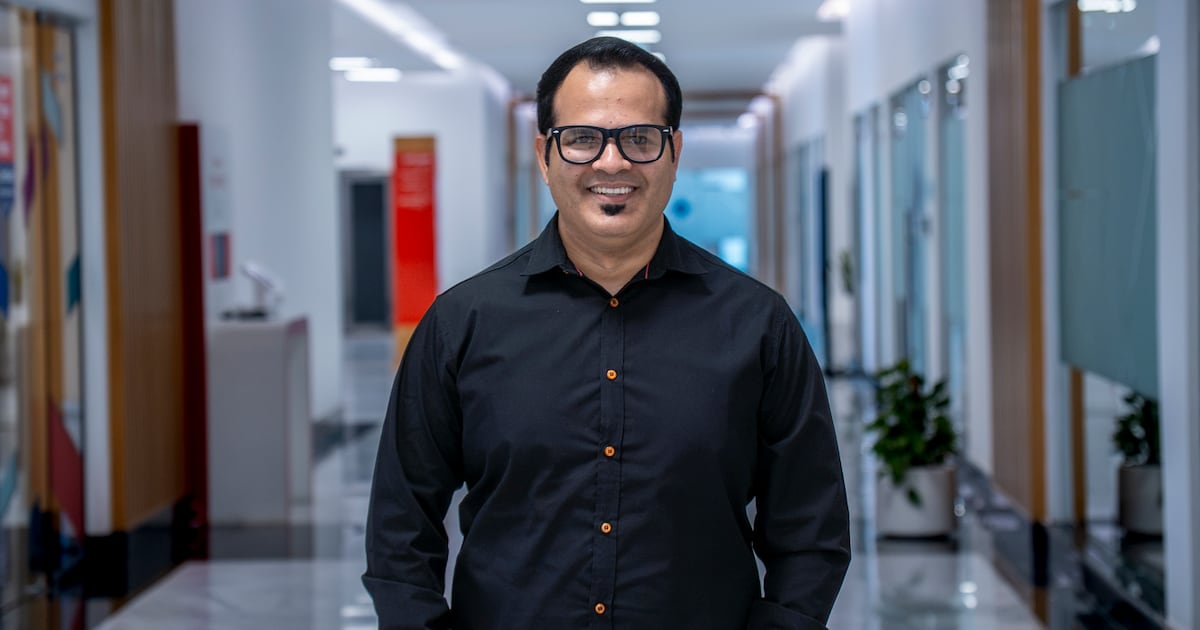
Zain Sohail now takes home Dh25,000 to Dh30,000 a month from businesses he helped build with his salary. Yet one of his most expensive lessons came from growth, not unemployment: an international expansion setback cost around $50,000 and, by his estimate, one to two years of progress. His account to The National — Business shows how rising income can fund a business—and how quickly that business can absorb the money.
The 35-year-old Pakistani entrepreneur arrived in the UAE in 2013 after earning an electrical engineering degree from Pakistan’s National University of Science & Technology. His first role, as a technical support engineer, paid Dh2,500 a month. Over more than a decade, he worked in technical services, project management and operations, gaining experience with staff, suppliers, equipment, inventory and logistics. As his earnings rose, he channelled money into buying and selling home, kitchen and lifestyle goods online.
A salary becomes a launchpad
Those early sales were a testing ground. Losing his job during the Covid-19 pandemic then changed how Sohail viewed employment: a regular wage no longer looked like the dependable protection he had expected. In 2025, while earning Dh17,000 a month, another career transition pushed him towards running the business full time. He launched Xeller, which helps online retailers manage sales and stock on marketplaces including Amazon and Noon.
Sohail now operates e-commerce businesses mainly in the UAE and Saudi Arabia, sells products under his own brands and is building Xeller to help brands enter and grow across the Gulf Co-operation Council. His corporate operations experience feeds into that work. Funding it required restraint at home: instead of upgrading his car as his salary increased, he put more money into products, inventory and brands, he told The National — Business.
His current monthly withdrawals are not a measure of everything the businesses earn. Much of the money stays inside to buy stock, cover day-to-day funding needs and develop new products. Personal and household spending comes to about Dh20,000 a month, with the remainder of his withdrawals generally going towards emergency savings or future investments. In 2025, he also bought his first property, taking a substantial amount out of his UAE and international businesses rather than continuing to reinvest it all.
The cash constraint behind online sales
The hardest lesson has been separating sales, profit and available cash. A strong month of orders does not necessarily leave money in the bank: funds may be tied up in stored goods, shipments or payments still due from marketplaces. A business can show a profit and still struggle to pay for its next batch of products. Sohail said the international setback absorbed profits that could have been taken out or invested elsewhere, although stronger results in other markets kept it from being financially devastating.
Sohail’s lesson: sales alone matter less than the profit earned, the cash recovered and the ability to fund the next cycle, according to The National — Business.
That experience made him more selective about committing money. He said he currently has no significant debt. A bank loan used partly to support a cash-hungry phase of business growth and partly for a small property investment has been repaid. He continues to use credit cards but settles the balances in full rather than paying interest.
His next goal is to make the businesses less dependent on his daily presence. Sohail wants businesses and assets that can support his family while allowing him to work from anywhere. The next stage of his story is therefore not just about higher sales: it is about building operations that can keep running without him being there every day.
Sources
Investing involves risk. TGC value can fall. This is not investment advice.
Comments
No comments yet — be the first.