Two billion livelihoods put dryland forests at the centre of UN funding push
FAO is calling for more investment in dryland forests and proposing a country-led platform to turn scattered projects into larger-scale action.
Key takeaways
- Dryland forests and trees support the livelihoods, food security and cultural identity of more than two billion people.
- Drylands cover about 41% of the Earth’s land surface and account for 27% of global forest area.
- Around 25% of dryland forest ecosystems are degraded, with land-use changes and unsustainable resource extraction among the main pressures.
- FAO proposes a country-driven accelerator to mobilize long-term finance and expand proven restoration approaches.
- The call seeks greater funding and formal recognition of dryland forests under the UN Convention to Combat Desertification.
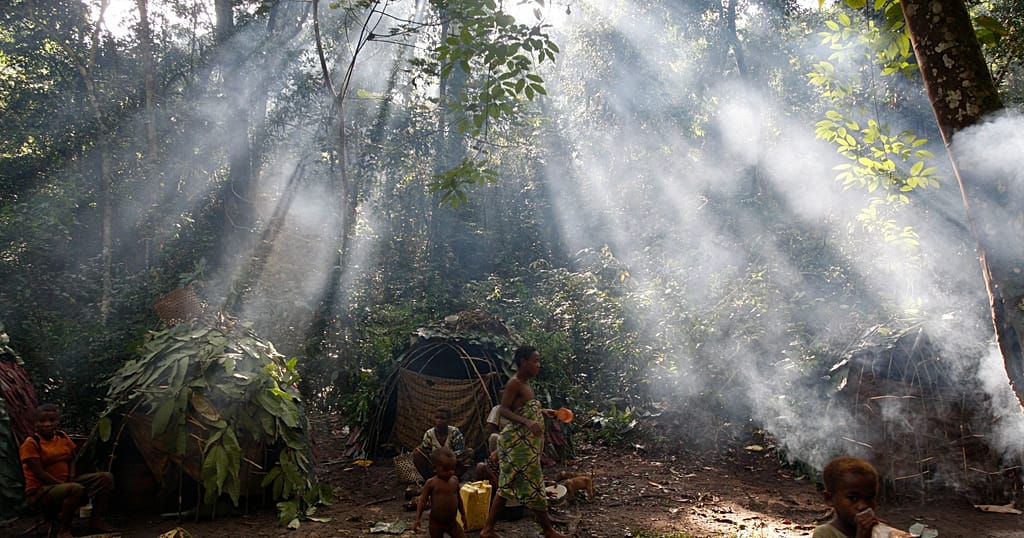
More than two billion people depend on dryland forests and trees for their livelihoods, food security and cultural identity. Yet roughly a quarter of these forest ecosystems are already degraded. For households that turn to fuelwood, livestock fodder and wild foods when crops fail, that damage threatens an accessible safety net, according to the UN Food and Agriculture Organization, in a report carried by Africanews.
FAO has launched a Call to Action on Dryland Forests, urging governments, donors and partners to put more money and political weight behind their protection and sustainable use. Announced during a high-level dialogue at FAO headquarters in Rome, the initiative seeks stronger management, restoration and governance. The dialogue formed part of the 10th World Forest Week, held alongside the 28th session of FAO’s Committee on Forestry.
A vast resource with too little backing
Drylands are areas where water is scarce. They cover about 41% of the Earth’s land surface and contain 27% of its forest area, alongside woodlands and trees growing outside forests. Their economic value extends beyond timber. They supply wood and other products in high demand, support livestock and provide medicinal plants. They also protect soil and water resources, helping food and farming systems withstand drought and giving households food and income when harvests fail.
Despite that reach, FAO says dryland forests receive insufficient attention in global policies on climate, biodiversity—the variety of living things—and land. In a video message, FAO Director-General Qu Dongyu stressed their importance to people today and to future generations. His warning linked weak recognition with gaps in monitoring and financial support:
Dryland forests need a change in how they are recognized, monitored and financed, FAO Director-General Qu Dongyu said.
The pressures are coming from several directions. FAO identifies changes in land use, including agricultural expansion and urban growth, together with unsustainable extraction of resources, as major drivers of degradation. Climate change adds to the strain: longer droughts worsen water shortages and raise fire risks. Small-scale farmers, Indigenous Peoples, pastoralists and local communities bear much of the impact, alongside women and young people.
Turning restoration plans into financed action
At the centre of the proposal is a Dryland Forest Support Accelerator, a country-driven platform anchored at FAO. Its purpose would be to move beyond disconnected projects and help countries secure long-term financing, improve monitoring and coordinate work across sectors. It would also help bring dryland forests into national plans, including countries’ climate commitments and targets aimed at balancing land degradation with restoration. The call presents the platform as a proposed means of speeding implementation and mobilizing finance.
FAO says proven restoration approaches already exist; the challenge is creating the conditions to use them on a much larger scale. Drawing on its existing dryland programmes and forestry working group, the proposed accelerator would gather evidence and identify country needs, support wider implementation of successful approaches, and collect results and lessons to guide future work. That structure would connect planning and funding with evidence of what has been achieved.
The next steps to watch are whether governments and donors give dryland forests greater financial priority and whether the proposed platform advances. FAO also wants stronger recognition across the Rio Conventions, the global environmental agreements covering climate, biodiversity and desertification. Its call specifically seeks formal recognition of dryland forests as a priority ecosystem under the UN Convention to Combat Desertification.
Sources
Investing involves risk. TGC value can fall. This is not investment advice.
Comments
No comments yet — be the first.