
Uganda’s NIC Life pitches Shs1,000 bus cover with Shs10m accident benefits
Route Cover would link accident protection to individual bus journeys, with registration, payment and pilot arrangements still being worked out.
Key takeaways
- NIC Life has introduced Route Cover for passengers on participating long-distance buses in Uganda.
- A Shs1,000 premium provides Shs10 million for death or total permanent disability following an insured accident.
- Hospital cash benefits are Shs50,000 a day for up to 20 days.
- The proposed purchase process links cover to bus tickets, with digital registration and immediate confirmation.
- Passenger registration, payment collection and pilot arrangements remain under discussion with operators.
For a Ugandan family, a Shs1,000 payment before a long-distance bus trip could mean Shs10 million in financial support after a fatal accident. That is the proposition behind Route Cover, a new passenger insurance product introduced by NIC Life Assurance Company Limited. But the move from launch to everyday use still requires work: the insurer is discussing registration, premium collection and pilot arrangements with bus operators, according to The Independent Uganda (direct).
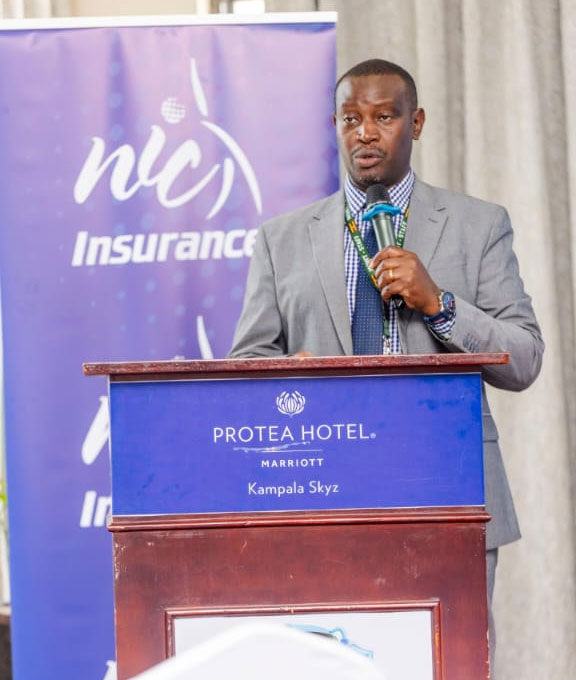
The product was introduced at Skyz Hotel in Naguru, Kampala, and presented to members of the Uganda Bus Owners Association. It targets passengers on participating long-distance buses, offering small-cost life and accident protection tied to a journey. NIC Life is seeking cooperation from transport operators on both passenger welfare and the practical arrangements needed to bring the cover to travellers.
What Shs1,000 would cover
Route Cover provides Shs10 million for death or Shs10 million for total permanent disability following an insured accident. It also offers hospital cash—a daily payment during hospital care—of Shs50,000 for up to 20 days. The benefits are intended to help with the financial consequences of a crash, which can extend beyond treatment bills to lost earnings, lasting disability and funeral expenses.
Under the proposed model, passengers would buy the insurance alongside their bus tickets, submit their details digitally and receive confirmation immediately. The premium, meaning the price paid for insurance, would be linked to the trip rather than the annual payment commonly required by conventional policies. NIC Life says the product would sit alongside existing motor third-party and comprehensive motor insurance, adding passenger-specific benefits rather than replacing those policies.
NIC Life chief executive Allen Amoko said the aim was to make useful financial protection affordable for ordinary passengers. The company sees transport operators as central to making the model practical and bringing insurance closer to the public. Amoko also framed the initiative as an effort to make insurance more relevant to Ugandans’ lives, rather than simply an opportunity to sell more policies.
Amoko said insurance needed to deliver when people most needed help, with Route Cover intended to give families affordable financial protection against an unexpected accident.
The next test is implementation
The challenge is the financial hardship that can continue well after a road crash. The source describes how a permanently disabled passenger may lose income while still needing medical care. If a family’s main earner dies, even basic household expenses can become difficult to meet. Route Cover is designed to address that aftermath, while road-safety efforts focus largely on preventing accidents in the first place.
Apollo Kashanku, assistant commissioner for transport regulation and safety at the Ministry of Works and Transport, said passenger protection should include financial support when crashes happen, not just efforts to ensure safe travel. He encouraged transport operators and other industry participants to support measures that improve passenger welfare, saying a small insurance payment could offer significant help to a family facing uncertainty.
The next stage is a pilot. NIC Life is still engaging operators and other stakeholders on how passengers will be registered, how payments will be collected and how the initial trial will lead to a wider rollout. Those arrangements are what to watch next as the insurer works to turn a low-cost proposition into cover passengers can buy with their journeys.
Sources
Comments
No comments yet — be the first.