Uganda’s public hospitals have imaging equipment, but too few staff to run it
A shortage of radiographers is leaving diagnostic machines underused as officials seek better recruitment planning and funding for approved posts.

Key takeaways
- Only about 150 of Uganda’s more than 1,200 registered radiographers work in government health facilities.
- The public service minister directed health officials to submit staffing lists on time to secure recruitment wage allocations.
- Staff shortages leave some diagnostic equipment underused and lengthen patient waiting times, the radiography society said.
- A CT scanner costs more than two billion shillings, according to a DHS Medical Logistics biomedical engineer.
- Fort Portal Regional Referral Hospital has authorization to recruit four imaging professionals, but wider staffing gaps remain.
Uganda has more than 1,200 registered radiographers, but only about 150 work in government health facilities. That gap is leaving some diagnostic machines idle while patients wait in long queues, according to Daily Monitor Uganda (direct). For public hospitals, the challenge is not simply buying expensive equipment. It is finding the staff and technical support needed to turn those purchases into reliable care.
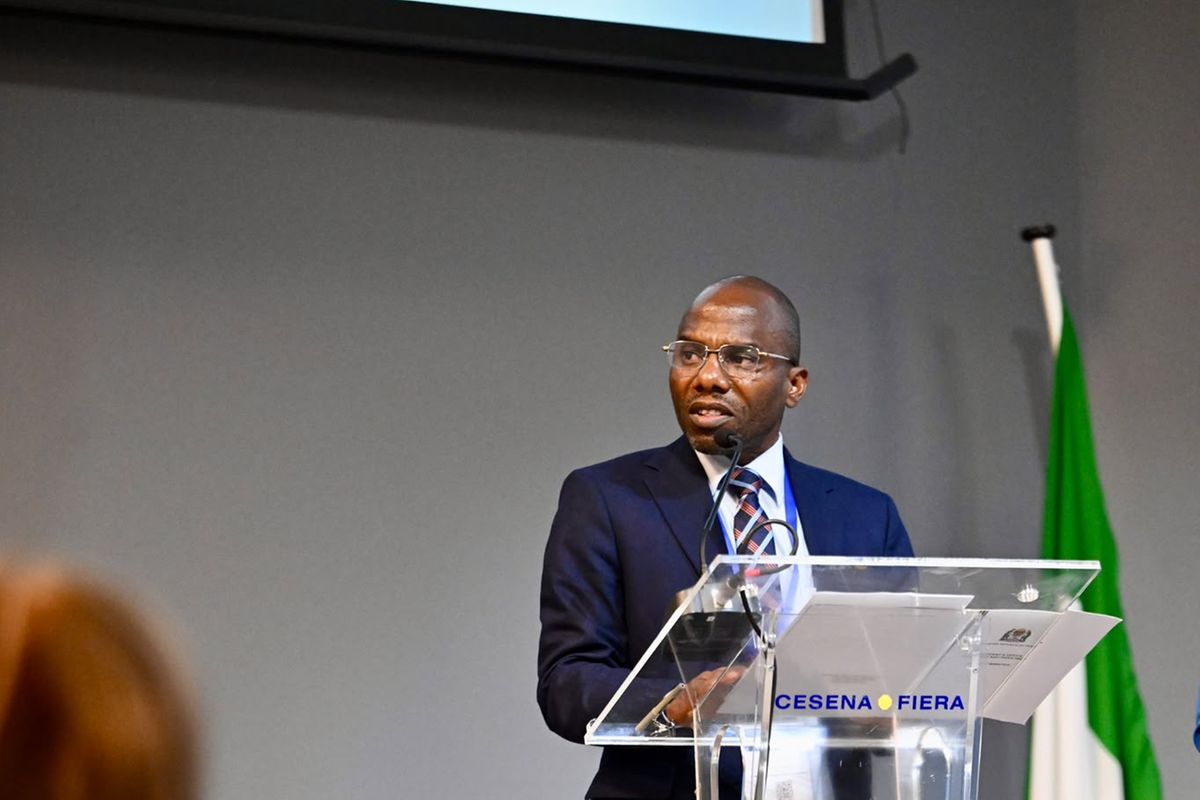
The shortage was highlighted at the Society of Radiography of Uganda’s 15th Scientific Annual Conference and Annual General Meeting. Lydia Wanyoto, the minister of state for public service, directed the Ministry of Health to submit its lists of essential healthcare personnel on time each financial year. The aim is to secure wage allocations for recruitment. She said coordination between the two ministries was vital to overcoming staffing gaps that impede services.
Machines outnumber the people needed to operate them
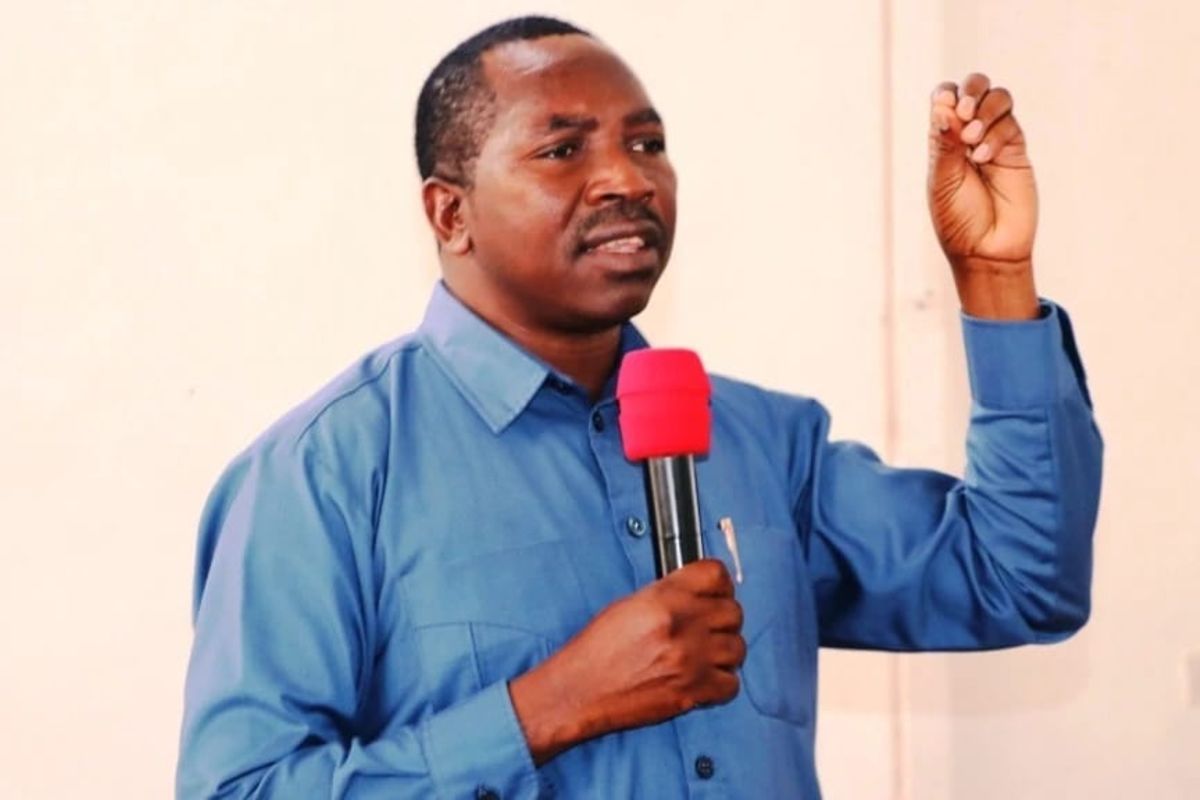
Society president Micah Muhangi called for more resources to fill approved hospital posts. Radiographers are the professionals who carry out medical imaging examinations. Without enough of them, he said, advanced equipment remains underused and patients face longer waits. He described queues at regional referral facilities and the Mulago Cancer Institute, linking the delays to a mismatch between available machines and staffing.
Some equipment goes unused because there are more machines than staff to operate them, extending patients’ waiting times, according to Society of Radiography of Uganda president Micah Muhangi.
The staffing figures show the scale of the problem. National referral hospitals are expected to have 26 radiographers under approved public service guidelines, but only about ten are in service. Regional referral hospitals have provision for 27, yet operate with an average of five. District hospitals generally fill just one of six approved positions. Most Health Centre IVs and Health Centre IIIs have no radiographers at all.
Some hiring is moving forward, although Muhangi said it remained inadequate for national needs. A recruitment authorization issued by the Ministry of Public Service on September 3 allows Fort Portal Regional Referral Hospital to hire four imaging professionals. They would reinforce the four or five already working there. The authorization offers a limited response to the shortage, rather than a solution across the hospital network.
The purchase price is only the beginning
Equipment costs add another constraint. Arnold Nahabwe, a biomedical engineer at DHS Medical Logistics, said import procedures make diagnostic machinery expensive even when medical equipment is not taxed. High upfront prices put purchases beyond the reach of many private providers, leaving much of the procurement burden with government facilities. A CT scanner, which produces detailed images inside the body, costs more than two billion shillings, he said.
Nahabwe urged facilities to train their own biomedical engineers and radiographers before introducing such technology, to avoid spending heavily without the people needed to use it. Wanyoto likewise stressed that purchase costs are only one part of the bill: machines also need servicing, repairs and maintenance. She linked reliable equipment availability to her call for earlier and more frequent health checks, particularly for cancer and other non-communicable diseases.
The next test is whether timely staffing submissions translate into wage funding and recruitment for approved posts. Fort Portal’s authorization is one step to watch. Alongside hiring, the officials’ and industry representatives’ remarks point to another practical challenge: ensuring hospitals can keep costly machines maintained and working once they have bought them.
Sources
Comments
No comments yet — be the first.