Uganda’s water gains mask a 12,000-community infrastructure gap
Rising national water access has sharpened scrutiny of unfinished projects, overstretched systems and irrigation investment that remains below target.
Key takeaways
- National safe-water access rose to 73.6%, but more than 12,000 villages and cells still lacked an improved water source.
- Repairs to piped systems and rural water facilities restored reliable supply to more than 464,000 people, according to ministry estimates.
- MPs highlighted unfinished projects, overloaded systems and schools sharing water points with communities.
- Irrigation coverage reached 0.79%, below the 0.81% target; seven schemes under construction are expected to add 9,200 hectares.
- Financing, land acquisition, ageing equipment and catchment degradation remain delivery constraints.
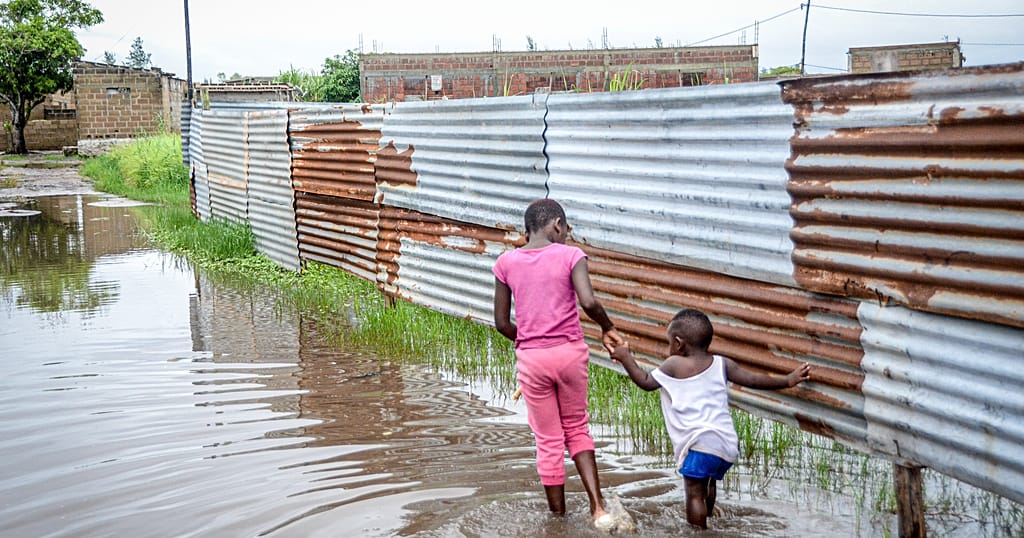
In Uganda’s Pakwach district, living beside two water bodies does not guarantee safe drinking water. Schools share water points with surrounding communities, and residents of Panyimur Town Council face a serious burden of bilharzia linked to unsafe water, according to district Woman MP Jane Avur Pacuto. Her account exposes the challenge behind Uganda’s improving national figures: getting working infrastructure to communities still left out.
According to The Independent Uganda, lawmakers raised those concerns after Water and Environment Minister Gen. (Rtd) Kahinda Otafiire presented the ministry’s performance for the 2025/26 financial year. National access to safe water rose from 71.2% to 73.6%, beating the annual target. Yet more than 12,000 villages and cells still had no improved water source. MPs linked those gaps to health problems, disrupted schooling, pressure on livelihoods and vulnerability to drought.
Better coverage, unfinished connections
The ministry put rural water access at 72%, compared with 75.2% in urban areas and 76% in refugee-hosting communities. Reported functionality—the share of facilities working—was 85% in rural areas, 92% in urban centres and 91% in refugee settlements. Rehabilitation of 27 piped-water systems and 1,238 rural point-water facilities restored reliable supply to an estimated more than 464,000 people. Those gains, however, did not settle lawmakers’ questions about where infrastructure is built or how it is maintained.
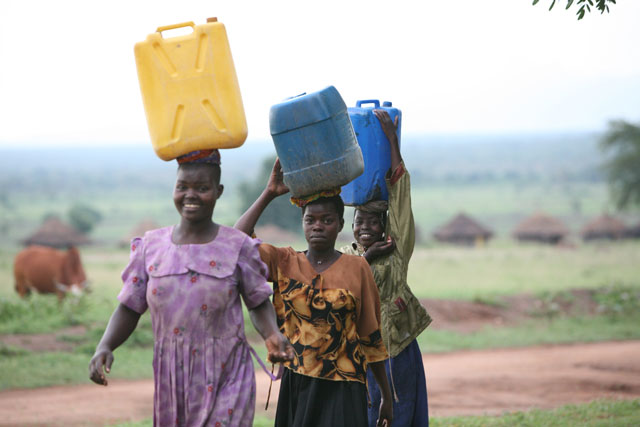
Napak District Woman MP Faith Nakut pointed to projects in Iriri, Lorangachora and Apitolim in Karamoja that she said remained unfinished roughly three years after they began. She argued that a household’s rural or urban location should not determine access to a nearby safe water connection. Pacuto, meanwhile, sought a larger water-sector budget to reduce long journeys to fetch water and exposure to waterborne disease. She also said shared water points made school administration difficult because children repeatedly left and returned.
Pacuto urged Parliament to increase water-sector funding so women would not have to walk long distances for water and communities would face fewer waterborne diseases.
Budadiri East MP Julius Muntu Nakiyi, a civil engineer, raised a separate investment problem: systems serving more people than they were designed for. Population and water consumption per person determine the required supply volume, which guides the size of tanks and pipe networks. He warned that some gravity-flow schemes, which move water using differences in elevation, may be exceeding their design capacity. Ntoroko County MP Edison Rugumayo said limited institutional sources were overstretched, with breakdowns sending pupils and students to streams and wells.
Irrigation expansion faces delivery constraints
The same performance review showed uneven progress in water for agriculture. The government reported that 76 solar-powered irrigation systems added approximately 384 hectares of capacity during the year. But national irrigation coverage edged up only from 0.78% to 0.79%, below the National Development Plan IV target of 0.81%. Seven larger schemes under construction are expected to add another 9,200 hectares.
Land acquisition, financing, ageing equipment and damaged catchments—the areas that collect and channel water—remain constraints. The ministry also reported water-use permit compliance of 81%, while compliance with wastewater-discharge requirements was just 49.2%. Alongside the construction challenge, those figures point to an ongoing task of managing how water is used and returned to the environment.
The next test is delivery: completing stalled rural projects, maintaining existing systems and bringing the seven larger irrigation schemes into service. The reported gains show expansion is possible. Lawmakers’ accounts show why national averages alone cannot establish whether that investment is reaching communities with the least reliable supply.
Sources
Investing involves risk. TGC value can fall. This is not investment advice.
Comments
No comments yet — be the first.