Ugandan schools offered full bus financing with up to six years to repay
NCBA Bank Uganda and MAC East Africa are pairing school bus loans with maintenance, insurance and tracking support to ease the upfront cost of transport.
Key takeaways
- Eligible Ugandan schools can finance up to 100% of a school bus purchase through NCBA Bank Uganda and MAC East Africa.
- Repayment periods run up to 72 months, with a repayment holiday of up to 90 days.
- The partners say the package includes free servicing and maintenance, comprehensive insurance and free tracker installation.
- MAC East Africa will supply vehicles and after-sales support, while transport officials stressed the need for safe operations.
- School owners and administrators can contact NCBA for eligibility requirements, financing terms and application details.
A school bus can help an institution reach more families, but paying for it can compete with other demands on its budget. Eligible schools in Uganda can now borrow up to the full purchase price of a bus under a partnership between NCBA Bank Uganda and MAC East Africa, with repayments spread over as long as six years, according to The Independent Uganda.
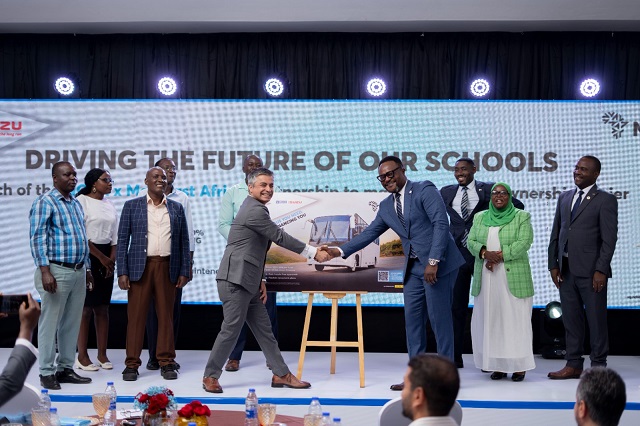
The arrangement, launched at Kampala’s Protea Hotel, combines the bank’s financing with MAC East Africa’s vehicles and after-sales support. It is aimed at schools seeking to add transport without shouldering the entire purchase cost at once. The partners are bringing vehicle selection, purchase, financing and maintenance into a single package rather than treating the loan and the bus as separate transactions.
Beyond the purchase price
The facility offers financing of up to 100% for eligible institutions, with repayment terms extending to 72 months. Schools can also receive a repayment holiday of up to 90 days—a temporary pause before repayments are required. The partners say faster approval procedures are part of the offer, with the financing structure intended to fit the operating needs and cash flow of schools, meaning the money coming in and going out.
The package includes free servicing and maintenance, comprehensive insurance and free installation of a tracking device, according to the partners. Those services matter because the cost of running a school bus does not stop at its purchase. Insurance, upkeep, tracking and other operating expenses also draw on school budgets. Combining those elements with financing is intended to support schools beyond the initial acquisition and through the operation of their vehicles.
NCBA Executive Director Julius Konyani said the partnership was shaped around schools’ investment needs and the challenge of making major purchases manageable. He said dependable transport could make daily journeys more convenient for learners and parents while helping schools serve families across a wider area. Spreading the purchase cost could also leave institutions with more working capital—the money available for day-to-day activities—instead of tying it up in one asset.
Financing meets the safety test
MAC East Africa will supply the buses, automotive expertise and after-sales support. Its Country General Manager, Aditya Arora, said the arrangement connects access to vehicles with a longer period for paying for them. He described a bus as part of a school’s ability to deliver a reliable service to learners and parents. The initiative comes as schools invest in infrastructure and services, with transport increasingly included in what they provide.
Financing and vehicles must be matched by sound safety practices, said Apollo Kashanku, Assistant Commissioner for Transport Regulation and Safety at the Ministry of Works and Transport.
The launch brought together education-sector representatives and the ministry, with discussions centred on reliable and responsible learner transport. Kashanku said dependable vehicles, responsible operators and suitable safeguards all mattered. His intervention placed the financing offer alongside another challenge for schools: managing vehicles safely once they are on the road.
The next step is for interested school owners and administrators to approach NCBA about eligibility, financing terms and applications. The bank says the facility is available to qualifying education institutions. For those considering a bus, those details will determine how the advertised financing and support package fits their own transport plans and operating budgets.
Sources
Investing involves risk. TGC value can fall. This is not investment advice.
Comments
No comments yet — be the first.