Asset-backed vs speculative assets: what creates value?
Learn what makes an investment backed by real operations, how it differs from speculation, and which questions to ask before participating.

Key takeaways
- Asset-backed and speculative are not absolute opposites: tangible assets can still be overpriced or exposed to speculation.
- Real operational backing requires a clear connection between capital, assets, business activity and recorded results.
- A recorded investment value is different from a market selling price or immediately available cash.
- Contractual rights, fees, operating risks and exit conditions matter as much as the assets themselves.
You have saved some money and found two investments. One promises an exciting story about what someone might pay tomorrow. The other points to machinery, stock and work being done today. Which has the stronger foundation?
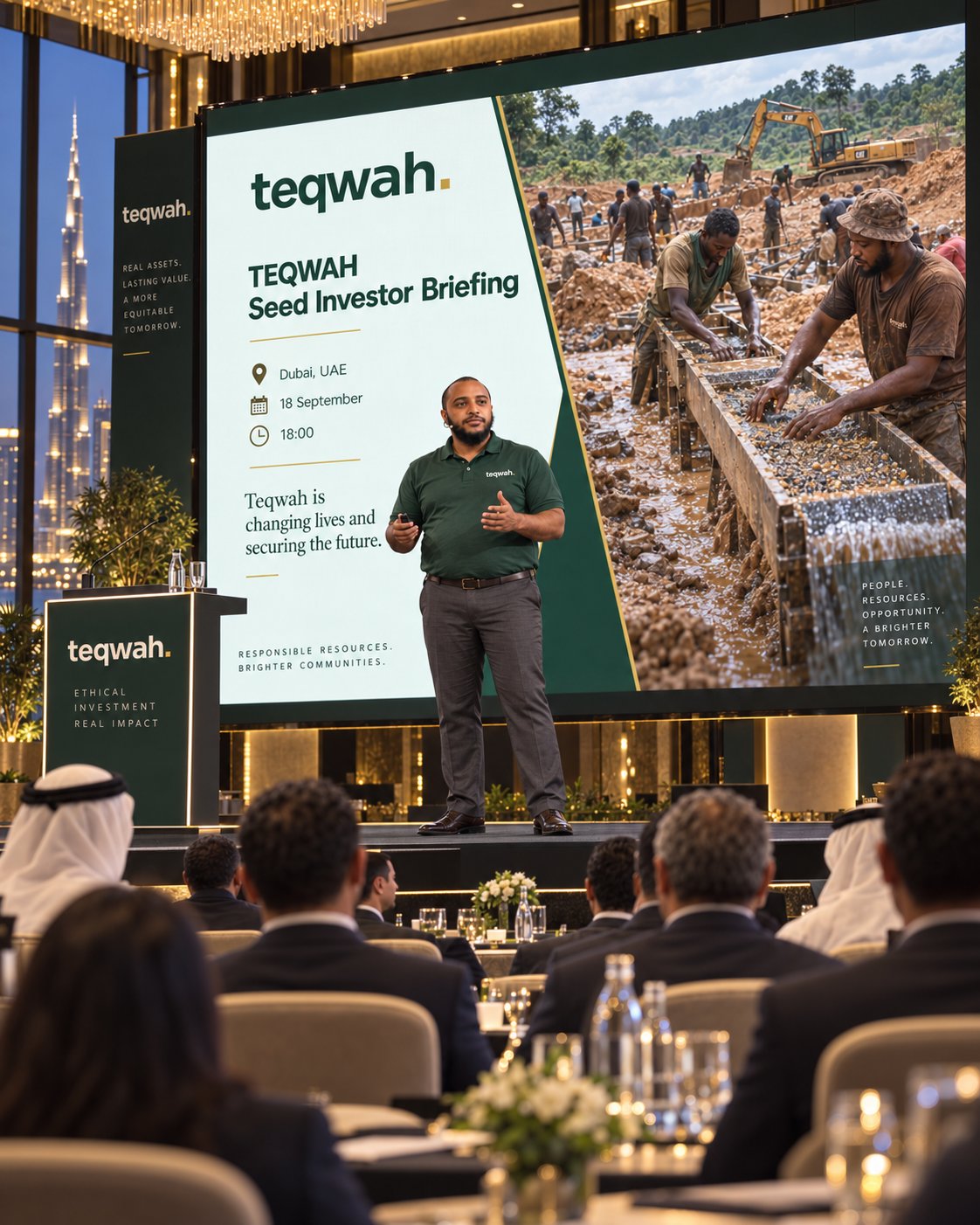
Our starting point at Teqwah is simple: ask what happens after your money goes in. Does it help produce something, move goods or put equipment to work? And how does that activity connect to what you hold?
Understanding asset-backed vs speculative assets starts there—not with a label, but with the path from capital to economic value.
1. Look beyond the asset-backed label
Imagine a shopkeeper seeking capital to buy stock. The stock is tangible. Sales can generate revenue. But spoiled goods, unpaid bills and weak demand can still turn a promising shop into a loss-making business.
An asset-backed investment has value supported by identifiable assets, such as equipment, inventory or property. The strength of that backing depends on the assets, their valuation, the obligations against them and the participant’s contractual rights.
A speculative investment relies heavily on expectations about future prices. Someone may buy mainly because they believe another buyer will pay more later, rather than because the asset produces income.
These categories overlap. Shares in an operating business can trade at speculative prices. Physical gold is tangible but does not generate operating income simply by sitting in storage. Meanwhile, a productive asset can be overpriced.
Why this matters: a real asset is a starting point for investigation, not a substitute for it.
Real operational backing is about more than owning something tangible: it is about how assets create value, how results are recorded and what rights participants hold.
2. Follow the money into everyday work
Picture a small miner with access to a deposit but no reliable equipment. Capital might help mobilise machinery and support extraction and processing. Yet buying the machine is only the beginning.
Someone must operate it, maintain it and pay for fuel. Output must be measured and sold. Costs must be deducted before anyone can assess the result.
We encourage readers to trace four links:
- Capital: where does the money go, and what fees apply?
- Assets and activity: what is acquired, and what work does it support?
- Results: what revenue, costs and losses are recorded?
- Participation: how do those results affect the investor’s holding?
A rental machine offers another everyday example. It may earn money when customers use it, but downtime and repairs can reduce earnings. Its purchase price alone cannot tell you whether the operation is profitable.
The opportunity is exciting precisely because value must be created through execution. Useful equipment needs useful work.
3. Separate recorded value from a selling price
Suppose a young saver sees an investment value increase on a dashboard. That number could mean different things: a market price, an estimate or a value calculated from recorded assets and results.
A market price is the price at which buyers and sellers trade. A recorded pool value follows a calculation based on the pool’s records. Neither automatically tells you how quickly you can receive cash.
With our Teqwah investment, participants hold TGC, a divisible participation unit. Recorded capital and productive assets form the value pool behind it. Our formula is:
TGC value = recorded pool value ÷ circulating TGC.
TGC is not exchange-traded, and this recorded value is not a traded market price. Recorded investor profit changes pool value; losses can reduce it. New purchases are designed to be value-neutral.
For any investment, ask how values are calculated, what information supports them and when you can exit. Lock-ups, payout processes and valuation rules are different questions. Understanding one does not answer the others.
Why this matters: a number on a screen is not the same thing as immediately available cash.
4. Ask what the backing actually gives you
If an investment mentions gold, do you own specific bars? Do you hold a share of a business? Or do you participate in a combined pool of operations?
Those arrangements are not interchangeable. “Asset-backed” does not, by itself, establish direct ownership of an asset or a priority claim if the business fails. The agreement matters.
At Teqwah Capital, participants hold one proportional participation through TGC. We manage allocation across gold mining, physical gold trade and productive fleet operations. Participants do not choose individual projects, sectors, wallets or assets.
For people who see potential in gold but cannot run a mine themselves, this creates a way to participate while we manage the operating work. It is participation in our combined operations—not a selection of individual machines or mines.
Before choosing any arrangement, read the terms for ownership rights, fees, loss treatment and exit conditions. Ask what evidence supports asset ownership and whether records have independent verification. A recorded trail and an independent audit are not the same thing.
5. Treat operating risk as part of the opportunity
Real operations replace some guesswork with practical questions. They do not remove uncertainty.
A mine can encounter lower-quality material than expected. A gold trader can face tighter margins. A machine can spend longer in the workshop than on a job. Even useful assets can be difficult to sell quickly without accepting a lower price.
Our approach connects capital with productive work, but the outcome still depends on operating performance. We record assets and daily results, and our participant value can rise or fall.
We believe the better decision starts with understanding both sides: what can create value and what can interrupt that process. Read our how it works page alongside our risk disclosure, rather than treating the operating story alone as enough.
Frequently asked questions
Are asset-backed investments safer than speculative assets?
Not automatically. Tangible backing may help explain value, but safety also depends on price, liabilities, contractual rights, management and the ability to exit.
Is gold itself a productive investment?
Stored gold does not generate operating income by itself. Mining, trading and equipment rental are business activities with revenues, costs and operating risks.
Does holding TGC mean choosing a particular mine?
No. You hold one participation in our combined operations, and we manage allocation internally. TGC is not exchange-traded, and its value can fall.
Curious about how we connect participation with productive work? Explore Teqwah →
Investing involves risk, values can fall, and this article is education—not financial advice.
Teqwah view
At Teqwah, we connect participation through TGC with gold mining, physical gold trade and productive fleet operations. We manage allocation so participants do not have to choose or run individual projects. That is the opportunity we are building: participation in productive work, with outcomes that depend on recorded performance and values that can rise or fall.
Sources
Investing involves risk. TGC value can fall. This is not investment advice.
Comments
No comments yet — be the first.