Butebo’s power upgrade puts agro-processing within reach
Uganda’s prime minister is urging farmers to turn new electricity connections into higher-value businesses as UEDCL invests more than Shs240 million in two district projects.

Key takeaways
- UEDCL invested more than Shs240 million in two electricity projects in Butebo District.
- The Petete network extension reached a previously wired but unconnected school, a church, homes and town council offices.
- A new 100kVA transformer is intended to support a planned mini-industrial park with projected demand of 48kW.
- Nabbanja urged residents to invest in higher-value farming and agro-processing to raise incomes and create jobs.
- Power reliability and subsequent business investment remain key tests for the upgrades.
Petete Primary School already had its internal wiring, but no connection to the electricity grid. A network extension has now reached the school, alongside a separate power upgrade for a planned mini-industrial park in Uganda’s Butebo District. The projects highlight the challenge behind Prime Minister Robinah Nabbanja’s appeal to residents: turn expanding electricity access into businesses that earn more from local agriculture.
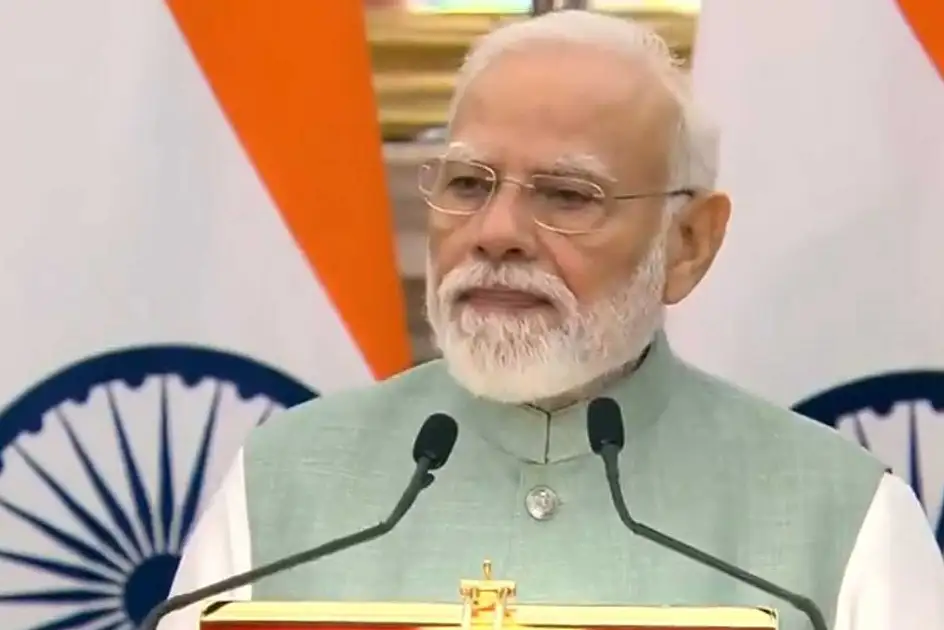
According to Nile Post Uganda (direct), Uganda Electricity Distribution Company Limited, or UEDCL, has invested more than Shs240 million in the two projects. Nabbanja commissioned them during a thanksgiving ceremony in Petete. The work extends the distribution network and adds capacity for businesses, giving practical backing to her call for households to look beyond farming mainly for their own consumption.
From a grid connection to a business
Nabbanja urged residents to consider higher-value activities such as poultry and, where religiously and culturally appropriate, piggery. She also encouraged investment in agro-processing—turning farm output into processed products that can earn more than unprocessed produce. Her message was that electricity connections should be accompanied by productive investment, rather than treated as an end in themselves.
“Increased electricity connectivity should be matched with investment in businesses and agro-processing activities that can create employment and increase the value of locally produced agricultural commodities,” Nabbanja said.
She spoke at an Energy and Mineral Development Ministry exhibition and thanksgiving event hosted by minister Dr Monica Musenero Masanza. The economic aim she set out was to raise household incomes and create jobs through agricultural enterprises and processing. That puts the focus not just on whether electricity reaches a community, but on how residents and businesses use it.
At Petete, the network extension reached the primary school, Petete Church, nearby homes and the town council offices. For the school, the project addressed the gap between having a building wired for electricity and actually being connected to the grid. The other investment targeted the power needs of a planned mini-industrial park in Kabarekere Village, near St Paul High School.
Capacity is only part of the challenge
UEDCL installed a 100kVA transformer at the park site. The kVA rating measures a transformer’s electrical capacity. Previously, the site depended on a 25kVA single-phase transformer about 600 metres away. The utility said that equipment could not adequately support the park’s projected demand of 48kW, a measure of the power it is expected to need. The park remains planned, rather than an operating industrial centre.
UEDCL Managing Director Eng. Joselynne Rwabwogo said the larger transformer was intended to accommodate rising demand as commercial and agro-processing activity grows. The investments are expected to support processing, small-scale manufacturing and other electricity-dependent businesses. They offer a basis for more commercially focused agriculture, but the source does not establish that those businesses have already expanded.
Reliability remains another test. Rwabwogo acknowledged concerns about outages and said UEDCL was pursuing short- and long-term responses to network constraints as demand increases. The utility is also consulting stakeholders nationwide about reliability and service delivery. What comes next in Butebo is whether the added capacity is matched by dependable supply and investment in the enterprises Nabbanja is urging residents to build.
Sources
Investing involves risk. TGC value can fall. This is not investment advice.
Comments
No comments yet — be the first.