Clayton’s possible AI role brings his crypto enforcement record back into focus
The former SEC chairman who launched the Ripple case is reportedly nearing an AI appointment, but the role’s powers and its relationship with crypto policy remain unclear.
Key takeaways
- CoinDesk reports that Jay Clayton may become Trump’s AI czar; the appointment is not confirmed.
- Clayton’s SEC brought 57 cases involving digital assets, blockchain businesses and token offerings during his tenure.
- He launched the Ripple case near the end of his term in 2020.
- The prospective role appears focused on AI rather than the combined AI and crypto portfolio held by David Sacks.
- The appointment’s confirmation, powers and policy scope remain the key developments to watch.
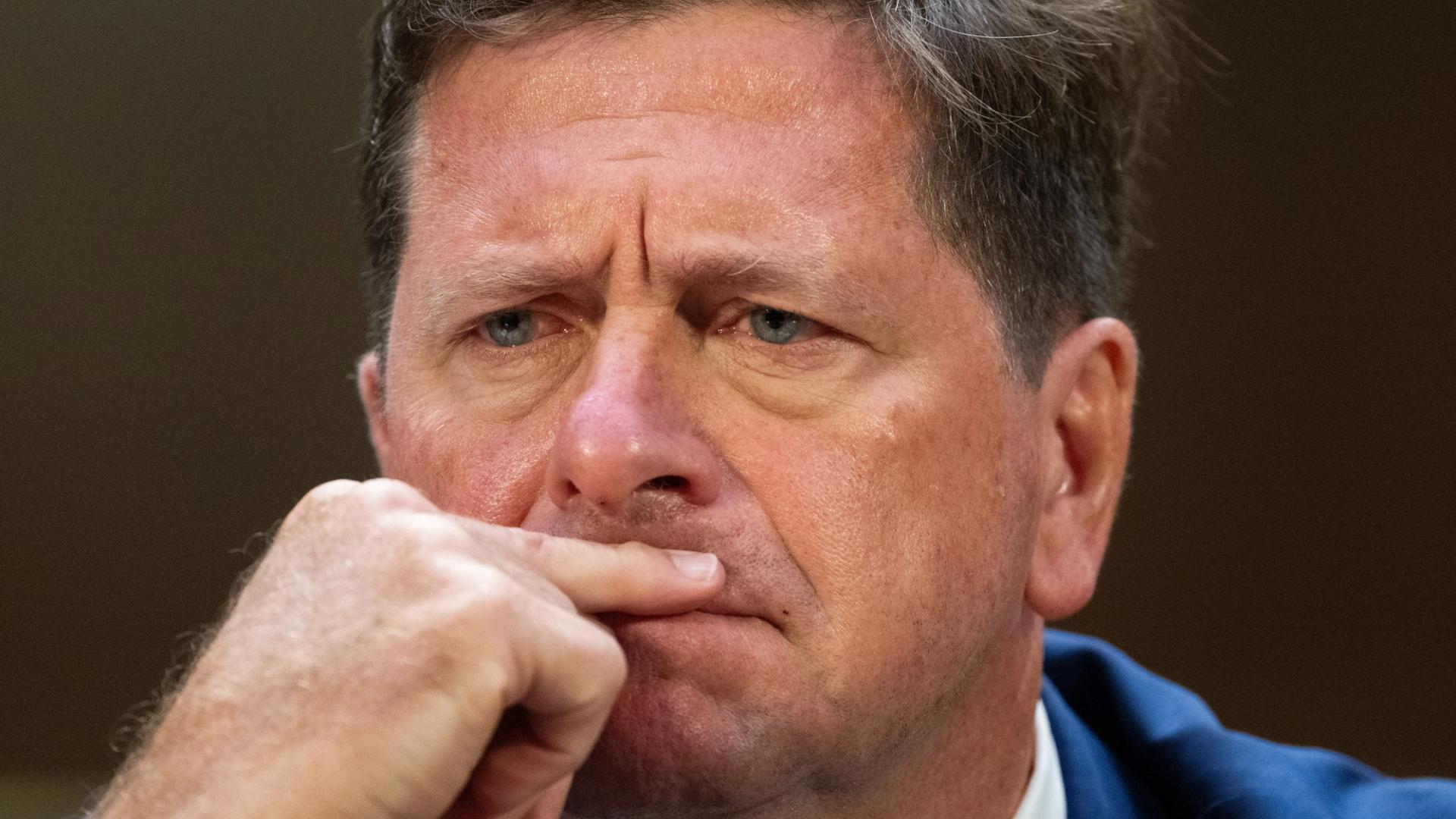
Jay Clayton helped launch one of Washington’s biggest legal battles against a cryptocurrency company. Now, the former U.S. Securities and Exchange Commission chairman may help shape Washington’s approach to artificial intelligence. According to CoinDesk (direct), President Donald Trump is reportedly close to naming Clayton as his AI czar, a prospective appointment that puts his record policing emerging technology back in view.
The appointment has not been confirmed. If selected, Clayton would focus on the administration’s AI Force, an initiative intended to oversee the fast-growing domestic industry. Its precise responsibilities remain unclear. Unlike the combined AI and crypto position first held by David Sacks, the new role appears focused on AI alone. Clayton did not respond to CoinDesk’s request for comment.
A watchdog’s record follows him
Trump appointed Clayton to lead the SEC during his first administration. In 2017, Clayton created a Cyber Unit and stepped up scrutiny of initial coin offerings, a way for projects to raise money by selling digital tokens. By his departure in 2020, the agency’s tally of his enforcement record included 57 cases involving digital assets, blockchain businesses and token offerings. The SEC said those actions targeted investor fraud and failures to comply with securities registration requirements.
The most prominent closing act was the case against Ripple Labs, launched as Clayton was preparing to leave. The SEC accused Ripple of failing to register roughly $1.3 billion in sales of XRP tokens as securities. That dispute became a high-profile example of an approach the crypto industry calls regulation by enforcement: using legal cases to establish how existing rules apply. According to CoinDesk, the agency under current chairman Paul Atkins dropped further pursuit of the court action last year.
That history matters because the enforcement approach widely associated with Clayton’s successor, Gary Gensler, began taking shape before Gensler took office. It also reflects a different period in Trump’s relationship with digital assets. In a 2021 interview, Trump argued for very heavy regulation of cryptocurrencies. He later became a vocal supporter, alongside personal ventures spanning non-fungible tokens, or unique digital collectibles, a Trump-branded memecoin and a stake in World Liberty Financial.
A different brief, an unresolved mandate
After returning to the White House, Trump gave Sacks responsibility for both crypto and AI policy. Sacks left the crypto role in March, and adviser Patrick Witt has since led the White House’s crypto efforts, CoinDesk reported. The apparent separation of the two portfolios is important: Clayton’s possible appointment does not, on the information available, put him in charge of digital-asset policy, even though the industries overlap.
Clayton has also encountered the financing side of the technology boom. Before returning to public service as a U.S. attorney, he spent several years on the board of Apollo Global Management, which committed billions of dollars to AI and digital infrastructure projects. In a recent CNBC interview, he framed AI as a national-security issue and rejected a pause in its development.
“I don’t think any American should think that that’s a good strategy,” Clayton told CNBC about pausing AI development.
The next test is whether Trump confirms the appointment and explains what authority comes with it. When announcing the AI Force on Truth Social in September, Trump compared it with the Space Force established during his first term. Until the remit is clearer, Clayton’s enforcement past offers context—not a confirmed blueprint—for how he might oversee AI.
Sources
Investing involves risk. TGC value can fall. This is not investment advice.
Comments
No comments yet — be the first.