Comoros job curbs put foreign traders’ livelihoods on the line
A law barring foreign nationals from certain jobs has raised fears among small traders, while supporters say it protects economic sovereignty.
Key takeaways
- A law promulgated in July bars foreign nationals from certain jobs in the Comoros.
- Malagasy shoe seller Larissa Razafitianna fears for the income supporting monthly payments of €50–€100 to her family.
- Critics call the law discriminatory; supporters frame it as a measure of social justice and economic sovereignty.
- New OPACO vice-president Hamidou Mhoma says foreign entrepreneurs should target sectors short of skills or capital.
- Tanzania has imposed restrictions on foreign-owned businesses, while a similar idea has been proposed in Kenya.
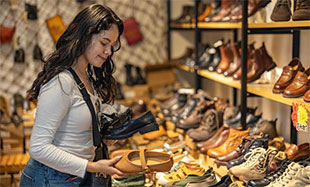
Each month, shoe seller Larissa Razafitianna sends €50 to €100 from the Comoros to her family in Madagascar. Now she fears for the income that makes those payments possible. A law promulgated in July bars foreign nationals from certain jobs, leaving her and other foreign workers worried about their finances, according to Africanews.
Razafitianna is among the Malagasy nationals running stalls along the main road to the Comoros’ largest market. Her business links a roadside livelihood in one island country to a household in another. She told Africanews that she had come to earn money, but her business visa had been refused. She questioned where she could find income under those circumstances. Her account puts a personal stake behind a wider dispute over who should be allowed to earn a living in particular lines of work.
A dividing line over business ownership
The law has drawn competing arguments about access to work and the place of foreign nationals in the economy. Critics describe it as discriminatory and warn that it could make already vulnerable groups less financially secure. Supporters present it as a defence of economic sovereignty: giving the country greater control over opportunities within its own economy. They also point to restrictions elsewhere in the region to argue that the Comoros is not acting alone.
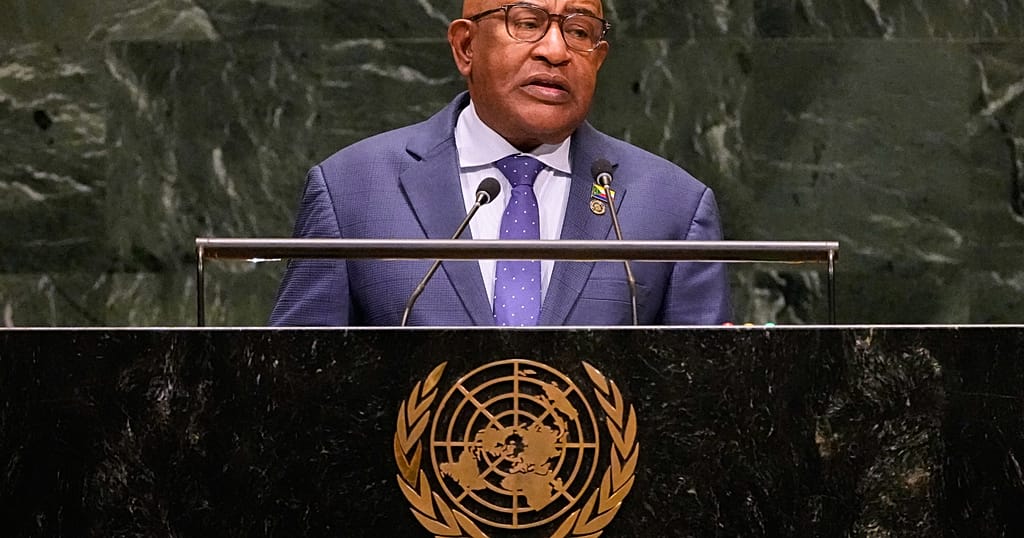
Hamidou Mhoma, vice-president of New OPACO, defended the legislation as a matter of social justice. In his account, the important distinction is between working for an employer and running a business. Foreigners remain welcome in salaried employment, he said. For those seeking to become entrepreneurs, however, he argued that investment should go into activities where the country needs expertise or money.
Foreign entrepreneurs should invest in sectors where skills or capital are lacking, Hamidou Mhoma, vice-president of New OPACO, argued.
Mhoma rejected the idea that the measure amounts to driving foreigners out. He said other countries had adopted comparable steps without being accused of xenophobia or discrimination. That defence does not remove the concern expressed by Razafitianna: she came to the Comoros to make money and is now unsure how she can continue doing so.
Restrictions extend beyond the Comoros
The debate has regional parallels. Tanzania last year barred foreigners from owning and operating certain businesses across more than a dozen sectors, Africanews reported. A similar idea has been proposed in Kenya. There, President William Ruto’s comments last month against foreign hawkers—small traders selling goods—prompted panic and some violence, according to the report.
Those examples frame the challenge facing the Comoros: supporters want business opportunities directed towards national economic priorities, while critics fear the cost to vulnerable foreign residents. For traders such as Razafitianna, the issue is more immediate than that policy debate. What matters next is how the restrictions affect their ability to keep earning, and with it the money they can send to families abroad.
Sources
Investing involves risk. TGC value can fall. This is not investment advice.
Comments
No comments yet — be the first.