Google turns to existing nuclear plants to power its AI expansion
A deal with Constellation would support US reactor upgrades as rising data centre demand sharpens the debate over electricity costs.
Key takeaways
- Google's agreement with Constellation supports upgrades at six US nuclear plants, covering 11 reactors.
- Google says it is enabling more than 1.5 gigawatts of additional nuclear capacity through higher reactor output and facility restarts.
- Constellation will use Google's agentic AI tools to assist planning, construction and plant performance.
- Rising data centre demand has intensified scrutiny of electricity prices, public financing and reactor safety.
- Google says other grid customers will not pay the costs associated with the upgrades.
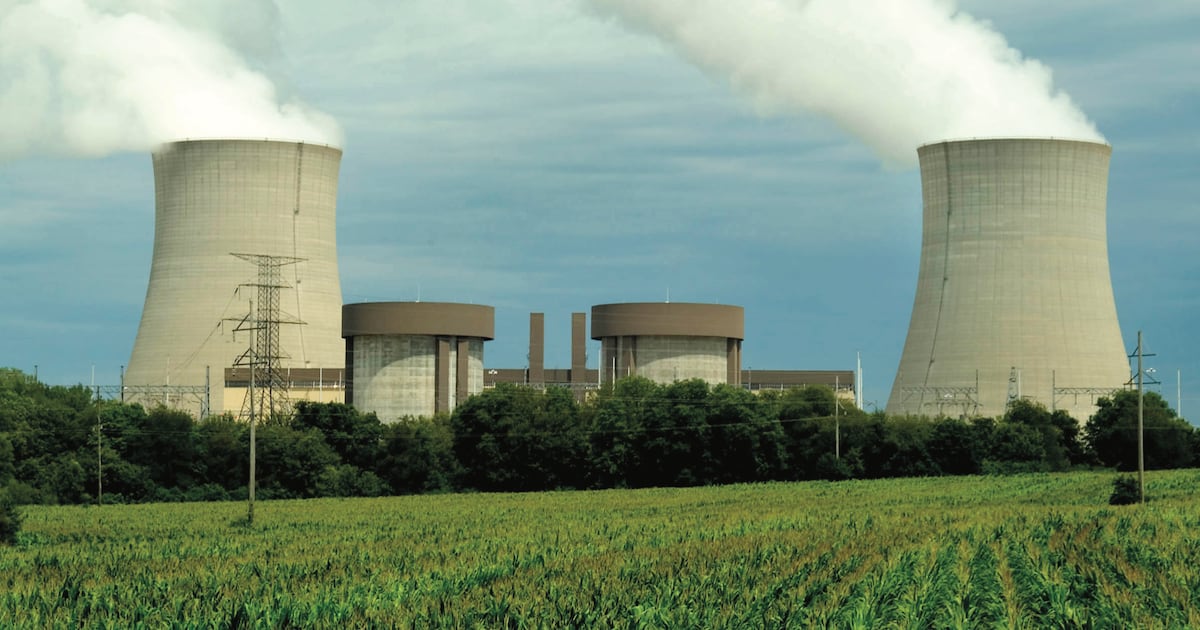
Google says its expanding data centre business can help add nuclear power to the US grid without leaving other electricity customers to pay for the work. Its agreement with Constellation targets upgrades at six nuclear plants, according to The National — Business, putting existing reactors at the centre of its response to the artificial intelligence boom.
The arrangement is a power-purchase agreement, a contract to buy electricity that gives a supplier a dependable stream of revenue. Google says that financial certainty will allow Constellation to invest in upgrades for 11 reactors. In a corporate essay, the technology company said it was enabling more than 1.5 gigawatts of additional US nuclear capacity by raising output from existing reactors and returning dormant facilities to service.
More electricity, and a fight over who pays
The deal comes as technology companies face criticism over the growth of data centres. Their electricity needs have pushed up demand in some areas and contributed to higher consumer power prices. Google says its agreement will add reliable supply while supporting local employment and economic activity. It also says other grid customers will not bear the costs associated with the reactor upgrades.
“This builds a more affordable energy future for everyone,” Google said.
Constellation, described in Google's essay as the operator of the largest US nuclear fleet, will also bring Google's AI into its operations. The company has agreed to use agentic AI workflows—AI-based processes for carrying out tasks—to help plan increases in reactor output, streamline construction and improve plant performance. That makes the technology driving Google's appetite for electricity part of the proposed effort to expand supply.
The wider nuclear push has drawn objections over public funding. Critics say many reactor agreements depend on large US government loans, leaving citizens financially involved in projects serving the technology sector's growing power needs. On Monday, the Department of Energy announced a separate financing deal of up to $4.2 billion to modernise nuclear plants in Ohio and Pennsylvania. Energy Secretary Chris Wright said extracting more power from existing plants could provide affordable, dependable electricity for households and businesses.
Reactor restarts face scrutiny
Safety concerns are another challenge. Constellation's 2024 agreement with Microsoft involved restoring Unit 1 at Three Mile Island in Pennsylvania, which closed in 2019. It is a different reactor from Unit 2, where the core was partly exposed in March 1979, triggering a temporary partial evacuation and a clean-up that continues. Even with that distinction, energy safety groups have continued to raise concerns about the restart.
Another restart effort, at the Palisades plant in Covert, Michigan, illustrates the difficulties. Owner Holtec International had hoped to bring the reactor, closed in 2022, back into service this year. A series of incidents has put that goal in doubt. In September, the US Nuclear Regulatory Commission confirmed an investigation into a tipped fuel assembly during refuelling. For Google's agreement, the next test is whether the promised revenue and AI tools translate into additional reactor output—and whether its pledge to shield other electricity customers from upgrade costs holds.
Sources
Investing involves risk. TGC value can fall. This is not investment advice.
Comments
No comments yet — be the first.