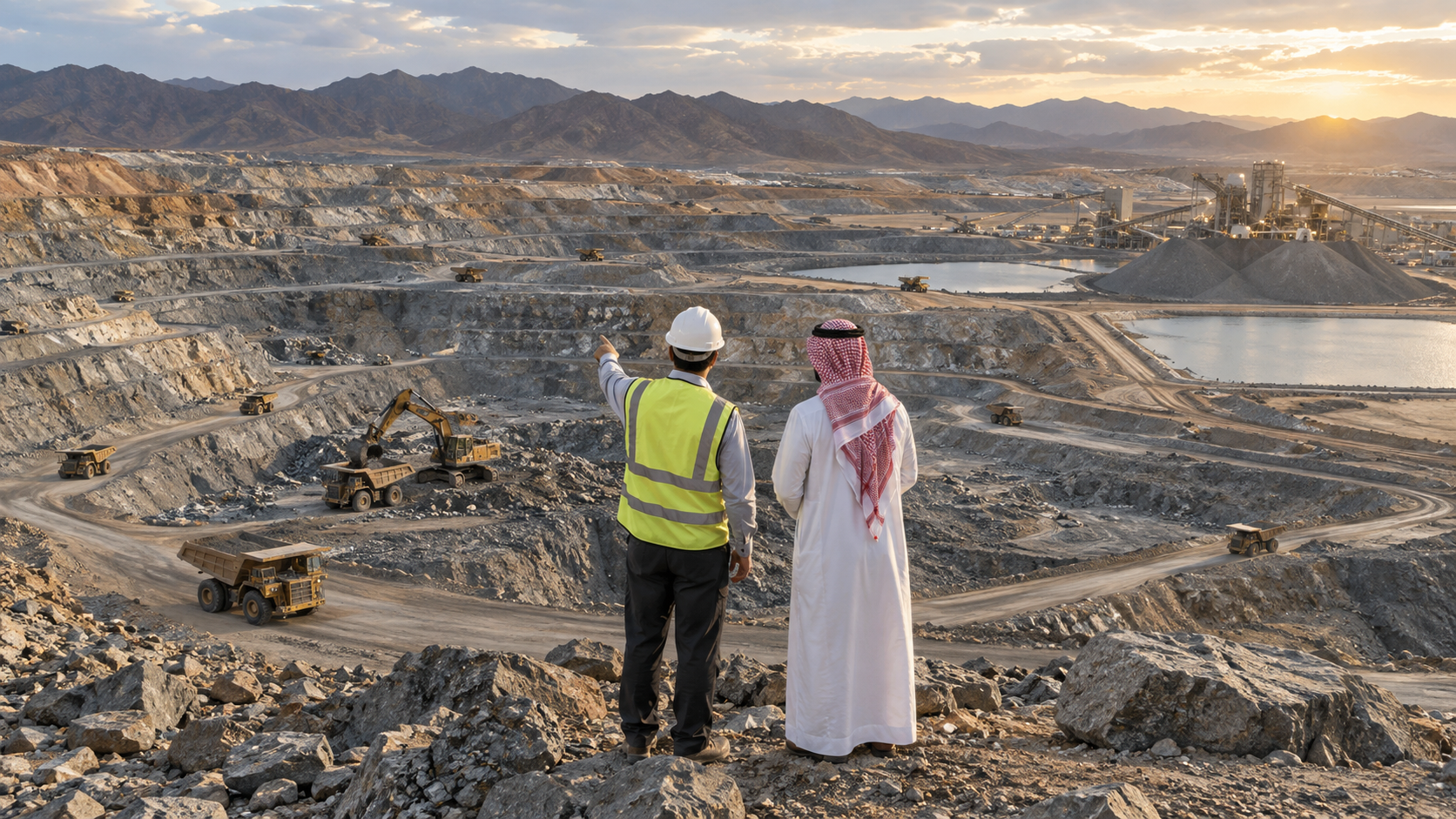
Heavy Machinery Rental: How Fleets Earn in Mining Regions
Learn how heavy machinery rental earns revenue in mining regions, what drives fleet profitability, and why utilisation and maintenance matter.
Key takeaways
- Rental fleets earn through billable equipment use, but invoiced revenue is not the same as collected cash.
- Utilisation matters alongside job quality, transport costs and customer payment reliability.
- Maintenance, depreciation and working-capital needs must be considered before judging profitability.
- Our TGC participation covers combined operations rather than an individually selected machine or rental contract.
Imagine a small miner with work ready to begin, workers available and customers waiting. One thing is missing: an excavator. Buying it could tie up money needed for wages and fuel. Renting it could get the job moving without that large upfront purchase.
Now look from the other side. Someone must own that excavator, keep it working and find paying customers. That is where heavy machinery rental as a business begins.
At Teqwah, we see productive machinery as part of the opportunity around gold. But owning a machine is only the starting point. The business earns its place through reliable work, disciplined costs and collected payments.
A fleet does not earn simply because its machines are valuable. It earns when useful work becomes paid work at a sustainable cost.
Why would a miner rent instead of buy?
Think of a shopkeeper hiring a delivery van during a busy season. The shop needs transport, but not necessarily a vehicle sitting outside all year. A miner can face a similar choice.
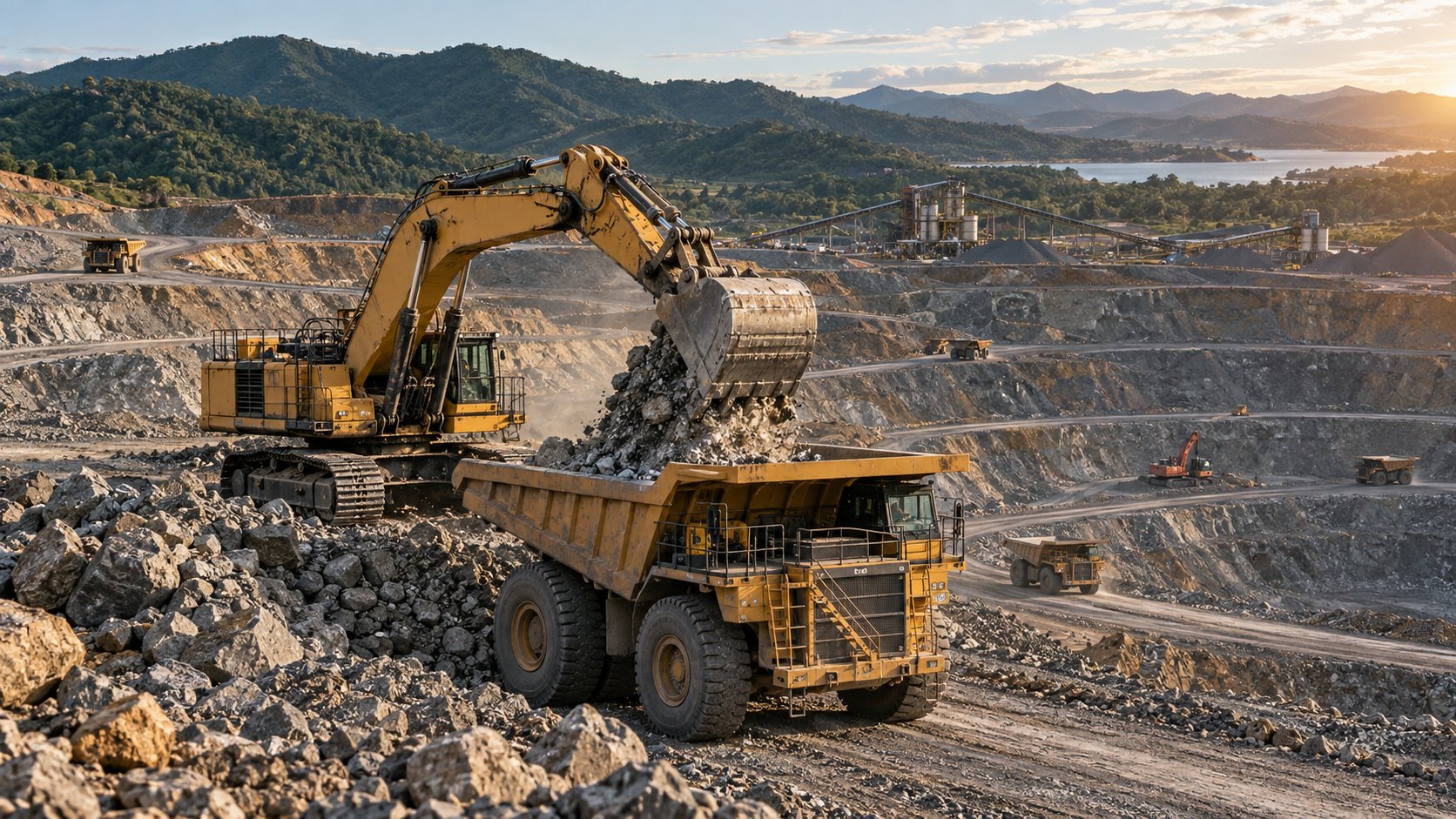
An excavator may be needed for site preparation. A loader may move material. A grader may maintain access roads. The requirement can change as work progresses, making rental more practical than buying every machine outright.
Renting can reduce the customer's initial cash commitment and provide equipment for a specific task. Buying may make more sense when demand is steady and the operator can maintain the asset economically.
For a fleet owner, the opportunity is to meet those changing needs. In mining regions, demand can also come from contractors building roads or preparing sites—not just from extraction itself.
Why this matters: demand for machinery is not the same as demand for every machine. Equipment must match the work, terrain and customer's budget.
How does a rental fleet turn work into revenue?
Rental agreements can charge by the hour, day or month. Some include an operator; others provide the machine alone. Fuel, transport and servicing responsibilities depend on the contract, so comparing headline rates without reading the terms can mislead.
A useful starting point is:
Rental revenue = billable units of use × agreed rental rate.
If the agreement charges by the day, count billable days—not every day the machine exists. Contracts may also include agreed transport charges, minimum hire periods or standby terms.
We would encourage any reader assessing this business to separate three questions:
- Was the machine available and fit for work?
- Was its time billable under the agreement?
- Was the invoice actually paid?
These are different milestones. A busy machine can still create a cash shortage if the customer pays late.
Clear job records, agreed working hours and documented responsibility for damage help reduce disputes. Revenue starts with a contract, but cash reaches the business only when payment arrives.
Why utilisation matters more than a crowded yard
A yard full of equipment can look impressive. Yet an idle excavator still needs security, inspections and care.
Utilisation measures how much of a machine's available capacity is being used. For rental analysis, we find it useful to distinguish physical use from billable use. A machine being moved between sites may be occupied without earning rental income.
Suppose a hypothetical machine has 24 scheduled rental days in a month and earns charges on 15. Its billable utilisation on that basis is 62.5%. This is an illustration, not our operating data or an industry benchmark. The definition matters: changing the denominator changes the result.
Higher utilisation can spread fixed costs across more paid work. However, chasing every job can backfire if distant sites require expensive transport or customers cannot pay.
The practical decision is not simply, “Can we keep it busy?” It is, “Can this job contribute enough after the extra costs?”
What remains after fuel, repairs and wear?
Rental income is not profit. Just as a shopkeeper must pay suppliers before counting earnings, a fleet owner must account for the cost of delivering each job.
Depending on the agreement, costs can include fuel, operators, mobilisation, routine servicing, insurance, storage and administration. Remote work can add challenges: spare parts may take longer to arrive, and moving a replacement machine can be costly.
There is also depreciation: the accounting recognition that equipment loses value as it ages and is used. It is not necessarily a cash payment that month, but ignoring wear can make a business look healthier than it is.
A maintenance reserve serves a different purpose. It sets aside funds for future servicing and repairs. Neither a reserve nor depreciation should be counted twice when analysing costs.
For general fleet analysis, we suggest separating operating profit from cash flow. Loan repayments, equipment purchases and delayed customer payments can affect cash differently from reported profit.
Why this matters: a business needs enough money to keep working, not merely an attractive revenue figure.
Where does this fit in our gold-led approach?
At Teqwah Capital, gold mining and gold trade are our core activities. Productive machinery supports operations and can also earn through managed rental activity. That gives equipment a role beyond simply waiting for one mining task.
Our published approach includes buying assets outright rather than financing them, registering machines to the venture and funding a maintenance reserve before distributions. These measures do not remove downtime, repair costs or changes in demand.
For people who see potential in gold but cannot run a mine themselves, our model brings participation together through TGC. Participants hold one participation in our combined operations; they do not choose an individual machine, mine or sector.
We manage allocation internally, and recorded operating results affect participation value. TGC is not exchange-traded, and its value can fall. Fleet rental is one component of the overall model—not a separate promise of rental income to each participant.
The opportunity is exciting precisely because value must be created through execution. Reliable equipment, useful work and careful records matter more than the appearance of a large fleet.
Frequently asked questions
Is heavy machinery rental a profitable business?
It can be, when collected revenue exceeds the relevant operating and ownership costs. Demand, pricing, utilisation, maintenance and payment discipline all affect the result. Machine ownership alone does not establish profitability.
What is the biggest risk in mining equipment rental?
There is no single answer. Breakdowns, unpaid invoices, seasonal access and weak demand can each undermine earnings. Several can occur together, so a plan should allow for downtime and cash needs.
Does holding TGC mean owning a particular excavator?
No. With us, TGC represents participation in our combined operations, not the selection of a specific machine or project. We manage deployment across those operations.
If this practical side of gold interests you, explore how we connect capital with productive work at Teqwah →.
Investing involves risk, values can fall, and this article is education, not financial advice.
Teqwah view
At Teqwah, we connect productive machinery with our gold-led operations, including managed rental activity. We see the opportunity in putting equipment to useful work while managing maintenance and recording results. Through TGC, you participate in our combined operations, with outcomes that can be positive or negative.
Sources
Investing involves risk. TGC value can fall. This is not investment advice.
Comments
No comments yet — be the first.