Hormuz LNG Shipments Reach Wartime High, but Winter Supply Remains Squeezed
An estimated 21 LNG cargoes cleared Hormuz in September, the most since the Iran war began, but far below the pre-war pace of three a day.
Key takeaways
- Kpler estimated that 21 LNG cargoes exited Hormuz in September, the highest monthly count since the Iran war began.
- Before the war, roughly three LNG cargoes left the strait each day, and the passage handled one fifth of global LNG supply.
- Most LNG carriers are crossing without normal tracking signals, complicating shipment and supply estimates.
- September gas prices in Asia and Europe reached their highest levels since the 2022–2023 energy crisis.
- Qatar extended force majeure on LNG deliveries through the end of November, while winter supply concerns are growing.
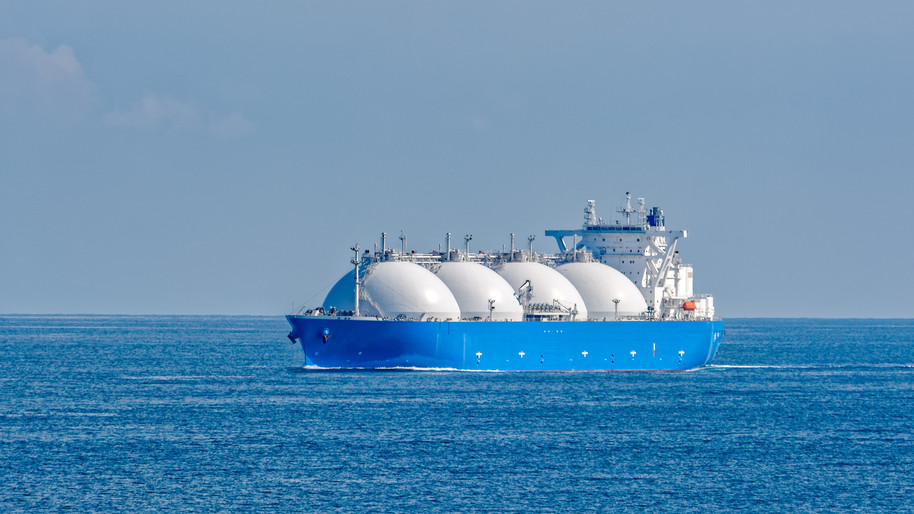
Before the Iran war, three cargoes of liquefied natural gas regularly left the Strait of Hormuz each day. In September, an estimated 21 made it through during the entire month. That was still the highest monthly total since the war began, according to OilPrice, citing shipping data compiled by Reuters. For buyers in Europe and Asia, the improvement leaves a much bigger problem unresolved: too little fuel is getting through as winter approaches.
The September estimate comes from shipment analytics company Kpler. Before the war, the narrow shipping passage handled one fifth of the world's supply of liquefied natural gas, or LNG—gas cooled into liquid for transport by ship. The latest monthly count shows that cargoes are finding a way out, but shipments remain far below the level that buyers could draw on before the conflict.
More ships emerge, but visibility is poor
There were further signs of movement this week. Three Qatari LNG cargoes loaded at Ras Laffan appeared again in tracking data outside the strait, according to vessel information from LSEG and Kpler cited by OilPrice. Cargoes from both Qatar and the United Arab Emirates have crossed in recent weeks. Those departures, however, remain too limited to materially change the balance between global LNG supply and demand.
According to OilPrice, recent LNG shipments from Qatar and the UAE remain too small to materially ease the global supply squeeze.
Counting the departures is itself a challenge. Most LNG carriers are crossing Hormuz in “dark mode,” without the tracking signals normally used to follow their movements. That makes individual voyages harder to monitor and leaves greater uncertainty around estimates of how much gas is reaching the market. The 21-cargo figure is therefore an estimate, rather than a fully visible tally of every transit.
The contrast with oil is sharp. Crude cargoes have continued moving through the passage at a rate of millions of barrels a day, while LNG carriers have faced greater difficulty. OilPrice points to a practical difference between the fuels: LNG is harder than oil to transfer directly from one vessel to another. That limits the usefulness of ship-to-ship transfers as a way to work around the disruption.
Winter buyers face a prolonged squeeze
Six months of restricted Middle Eastern LNG flows have already increased pressure on buyers. In September, gas prices in Asia and Europe reached their highest levels since the 2022–2023 energy crisis, according to the report. Buyers have been competing for available supplies that do not need to cross Hormuz, leaving the effects of the disrupted passage felt well beyond the region.
Qatar this week extended force majeure on LNG deliveries to Asia and Europe through the end of November. Force majeure is a provision invoked when extraordinary circumstances prevent contractual obligations from being met. The extension adds another month as LNG traffic remains largely blocked amid the prolonged U.S.-Iran stalemate over the strait and a path to ending the war.
The next test is whether the recent crossings turn into a sustained increase in deliveries. With Middle Eastern flows still severely reduced, the report highlights growing concern over winter gas supplies in both Europe and Asia. Colder-than-usual weather would make that challenge harder, keeping attention on cargo departures and Qatar's delivery restrictions.
Sources
Comments
No comments yet — be the first.