Iraq weakens dinar to fund salaries as oil-dollar squeeze deepens
A new official rate of 1,500 dinars per dollar gives Baghdad more local currency for its bills, but raises the cost of imported essentials.
Key takeaways
- Iraq has approved an official exchange rate of 1,500 dinars per US dollar, according to The National — Business.
- The new structure sets rates of 1,510 dinars for sales to banks and 1,520 for the public.
- Oil-export disruptions and higher shipping costs have squeezed the dollars Baghdad needs to fund domestic payments.
- The change yields about 13 per cent more dinars per dollar than the previous official rate of 1,320.
- Imported essentials face higher costs, while the government faces delayed payments and demands for additional public jobs.
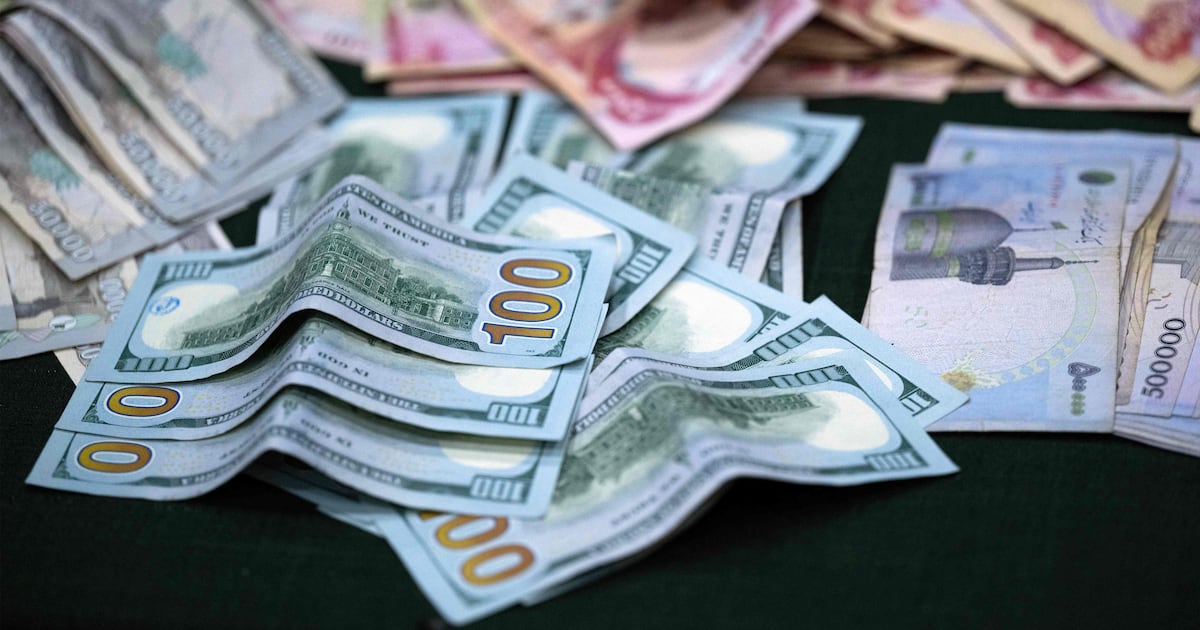
Iraq needs dinars to pay nearly eight million public employees, contractors, farmers and pensioners. With oil dollars harder to secure, Baghdad has chosen to make each dollar buy more local currency. The government has approved a new official exchange rate of 1,500 dinars per US dollar, according to a central bank document seen by The National — Business. The move offers relief for strained public finances, but leaves Iraqis facing more expensive imports.
The Council of Ministers approved the change on the recommendation of the Central Bank of Iraq, the outlet reported. Under the new structure, the central bank will buy dollars from the Ministry of Finance at 1,500 dinars, sell them to banks at 1,510, and set the public-facing rate at 1,520. The directive covers licensed banks, electronic payment companies and exchange houses. They were instructed to update their systems, inform branches and stop applying the old rate.
Fewer oil dollars, mounting bills
The pressure comes from Iraq’s dependence on oil. More than 90 per cent of its budget income comes from oil exports paid for in dollars, and almost all those exports must pass through the Strait of Hormuz. That narrow shipping route carries a third of the world’s seaborne oil. War, intermittent closures and threats to the passage have put a bottleneck between Iraq’s main source of revenue and the cash it needs at home.
According to The National — Business, shipping insurance has become more expensive, tanker movements have been disrupted, and oil loadings from Iraq’s southern terminals at Basra have faced delays and discounts. That leaves the country with fewer dollars to exchange for dinars. Meanwhile, Baghdad has delayed salaries in several provinces, put off payments to wheat farmers and construction companies, and turned to short-term loans from state banks.
The finance ministry warned parliament that it could not fund the 2026 budget without an adjustment, the outlet reported. That budget includes 100,000 additional public-sector jobs sought by political blocs during talks to form a government. The warning underlines the challenge: oil receipts are under pressure while the state faces demands to expand its payroll.
Iraq’s finance ministry warned parliament that, without an adjustment, it could not finance the 2026 budget, according to The National — Business.
Budget relief shifts the burden to households
Moving the official rate from 1,320 to 1,500 dinars per dollar produces about 13 per cent more dinars for every oil dollar the government exchanges. This is devaluation: an official reduction in a currency’s value against another currency. It helps Baghdad cover local-currency bills from a smaller dollar pool. It does not, however, restore disrupted oil shipments or bring in extra dollars.
This is Iraq’s second major devaluation in six years. During the Covid-19 oil crash in December 2020, the central bank moved the rate from 1,182 to 1,450 dinars per dollar to help cover a severe deficit. The official rate was subsequently adjusted to 1,320 under the previous government, although the market rate often remained higher.
For households, the trade-off is immediate exposure to higher import costs, including food, medicine, cars and building materials. Inflation rose after the 2020 devaluation, which also sparked protests in southern provinces. The next test is whether the new rate helps Baghdad clear delayed payments—and how much of the currency’s decline reaches the prices Iraqis pay.
Sources
Comments
No comments yet — be the first.