
Kenya’s Sh390bn Geely plan pairs EV factories with 1,000 solar charging hubs
Ruto has welcomed a proposed electric-mobility investment with capacity for 150,000 vehicles a year, but definitive agreements are still to come.
Key takeaways
- Endelevu and Geely propose a Sh390 billion electric-mobility manufacturing and assembly investment in Kenya.
- Planned annual capacity is 50,000 four-wheel vehicles and 100,000 two-wheelers and light-mobility vehicles.
- The proposal includes 1,000 solar-powered charging hubs and a platform to manage up to 100,000 green vehicles.
- Ruto projects about 2,000 direct jobs, more than 20,000 indirect jobs and 80,000 additional service-related opportunities.
- The memorandum still needs to lead to definitive agreements, construction and production.
Kenya’s proposed electric-vehicle push would reach well beyond factory gates: a Sh390 billion investment plan includes 1,000 solar-powered charging hubs and manufacturing capacity for 150,000 vehicles a year. President William Ruto says it could create thousands of jobs while reducing dependence on imported vehicles and fuel. But the project is still at the memorandum stage, with binding arrangements and construction yet to follow.
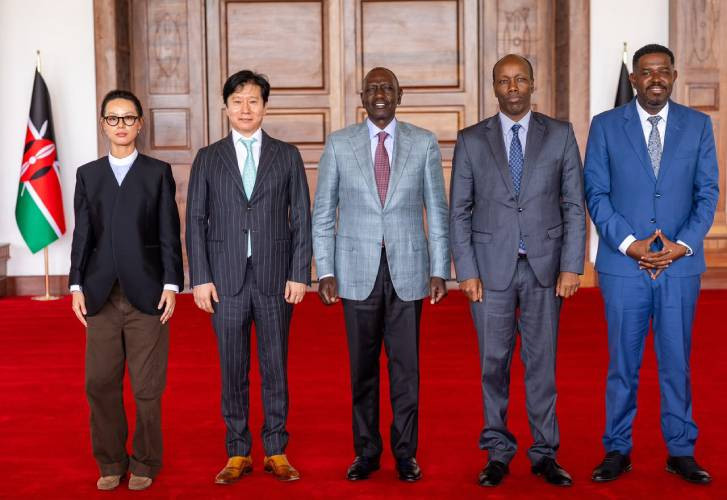
According to The Standard Kenya Business (direct), Ruto welcomed the proposed investment by Endelevu Enterprise Corporation and China’s Geely Auto Group at State House in Nairobi. He was speaking during the signing of a memorandum of understanding between the government and Endelevu—a framework for cooperation rather than a final project agreement. The partnership would span vehicle manufacturing and assembly, charging infrastructure and businesses supporting those activities.
Factories need a charging network
The industrial plan calls for one assembly plant able to produce 50,000 four-wheel vehicles annually. A second facility would have yearly capacity for 100,000 two-wheelers and light-mobility vehicles. Alongside the solar charging hubs, the proposal includes a digital platform capable of managing up to 100,000 green vehicles. That puts production, charging and fleet coordination within the same proposed investment, rather than treating vehicle assembly as a standalone project.
Ruto said the project was expected to generate about 2,000 direct jobs and more than 20,000 indirect jobs through suppliers, logistics companies and other service providers. He also cited 80,000 additional opportunities in fleet management, operations and related services. Those are expectations attached to the proposal, not jobs already created. For the government, the wider aim is to retain more manufacturing work and value in Kenya instead of paying overseas for both vehicles and the fuel they use.
The president pointed to rising electricity use for vehicle charging as evidence of a changing market. Consumption increased from 2.92 million kilowatt-hours in 2024 to 8.43 million in 2025, a rise of 188%, he said. A kilowatt-hour measures the amount of electricity used. Ruto also said Kenya’s geothermal, wind, solar and hydroelectric resources gave it an advantage, allowing electric mobility to draw on power generated at home.
Ruto said reliance on imported fuel exposes Kenya to price shocks, while generating power domestically offers greater stability.
From a framework to production
Government support extends beyond this proposal. Ruto cited the launch of the National Electric Mobility Policy in February 2026, alongside his May 22 directive allowing the first 100,000 electric vehicles into Kenya without import duty. He also pointed to a government order for 3,000 electric vehicles for security and administration officers. Together, these measures form part of the policy backdrop he described for expanding the sector.
The intended market is wider than Kenya. Ruto urged Geely and Endelevu to target East Africa and the broader continent. He said Kenyan-made vehicles that satisfy East African Community rules of origin—the requirements determining whether goods qualify as locally produced—would be able to access the regional market.
The next test is execution. Ruto called for movement from the memorandum to definitive agreements, then groundbreaking and production. Those steps will determine whether the proposed factories, charging network and employment opportunities move beyond the framework signed in Nairobi.
Sources
Investing involves risk. TGC value can fall. This is not investment advice.
Comments
No comments yet — be the first.