Lamu’s 5,200-TEU ship call sets a record as Kenya’s smaller port builds scale
A record container discharge puts Lamu’s deep-water capacity in focus, while future demand remains tied to transport links and planned industrial development.
Key takeaways
- Lamu handled about 5,200 TEUs from one vessel for the first time, according to the report.
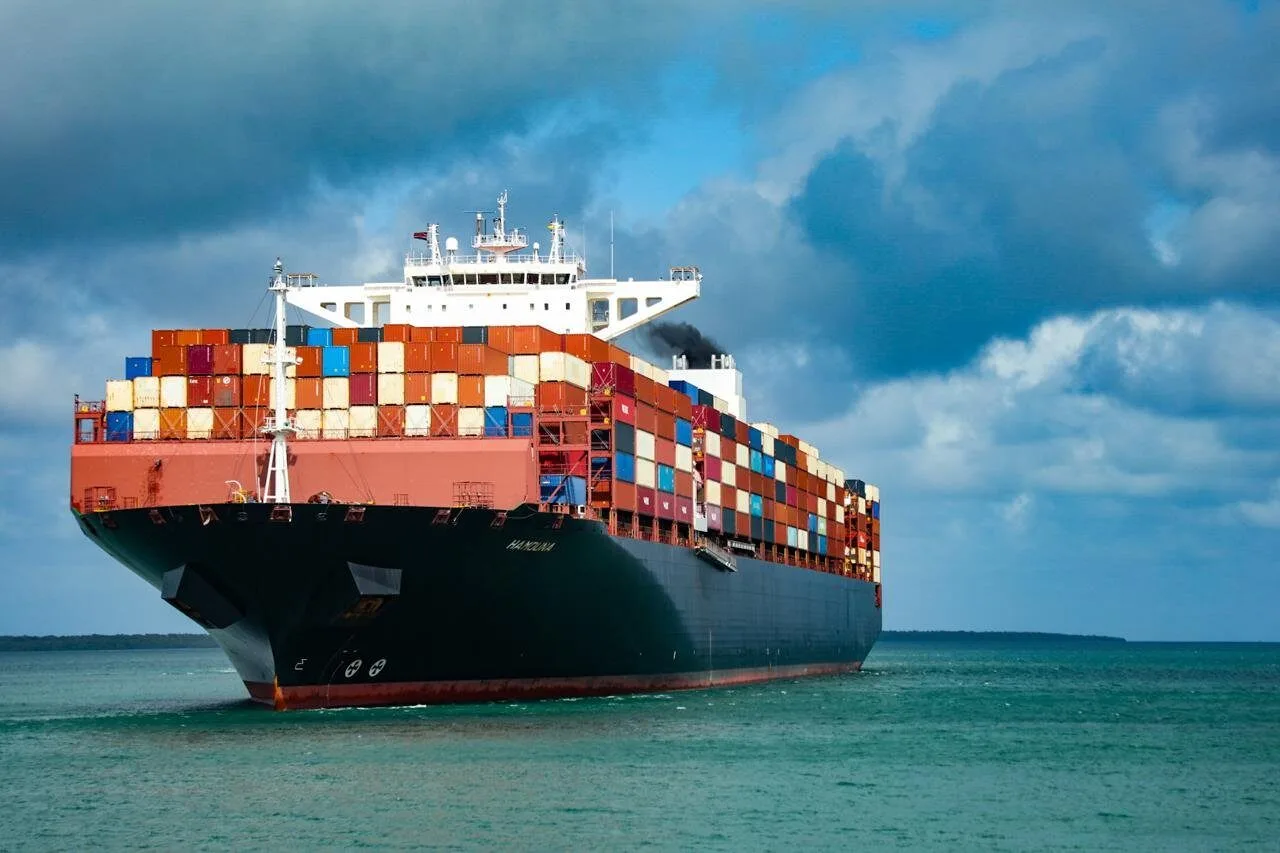
- MV Hamouna arrived with approximately 14,500 TEUs; the Lamu cargo is to transfer to smaller feeder vessels.
- KPA chief William Ruto said Mombasa had not surpassed that single-vessel discharge figure.
- Lamu’s berths are about 17.5 metres deep, but Mombasa remains Kenya’s main container gateway.
- The LAPSSET Corridor and planned Dangote refinery are developments to watch for future port demand.
One ship has brought Kenya’s Port of Lamu a container-handling record that its much larger counterpart, Mombasa, has yet to match, according to Kenya Ports Authority Managing Director Captain William Ruto. Lamu handled about 5,200 twenty-foot equivalent units, or TEUs—a standard measure of container volume—from a single vessel for the first time, Capital FM Kenya Business (direct) reported. The milestone gives the smaller port a concrete example of the scale it can accommodate.
The vessel, MV Hamouna, arrived on Saturday carrying approximately 14,500 TEUs, with about 5,200 TEUs allocated for discharge at Lamu. At 366 metres long, the ship entered through the Eastern Channel and travelled roughly 14 nautical miles before reaching its berth. Its call combines a large vessel with a record container discharge for a port still building its handling capacity.
The containers unloaded at Lamu are to move onto smaller feeder ships for delivery to other destinations. That makes this a transshipment operation: cargo changes vessels at an intermediate port rather than completing its sea journey there. The latest call therefore highlights Lamu’s role as a transfer point, not simply as a destination for containers arriving in Kenya.
A record call, not yet a rival in scale
Ruto said the discharge was the largest from any single ship at Lamu. He also said Mombasa had not exceeded that single-vessel figure. His comparison concerns the volume unloaded from one vessel, rather than the ports’ overall container business—a distinction that matters when assessing what this milestone says about Lamu’s position.
According to Ruto, this was Lamu’s first vessel discharge above 5,000 TEUs, a single-ship level that Mombasa had not surpassed either.
Lamu’s berths are about 17.5 metres deep, giving ships that sit deeper in the water room to dock. That physical capacity helps explain its ability to receive large container vessels. But Mombasa remains Kenya’s principal maritime gateway and handles most of the country’s container cargo. Lamu is still the smaller operation, even after its latest record.
Other sizeable ships have called in recent months. The 369-metre MV Baltimore Express, operated by Hapag-Lloyd, visited earlier this year. MV Nagoya Express, at 335 metres, set an earlier vessel-size record at Lamu in August 2025, according to the report. Those calls provide further examples of the port receiving large vessels, alongside Hamouna’s container-handling milestone.
The next test is demand
Future container traffic is expected to be influenced by the development of the LAPSSET Corridor, a transport link intended to connect Lamu with northern Kenya and neighbouring countries. The corridor is part of the context for the port’s longer-term prospects, beyond individual ship calls and the capacity of its berths.
Another development to watch is the planned Dangote East Africa Refinery in Lamu. KPA says the project could create more demand for port and logistics services, but both the amount of business and when it arrives depend on the refinery’s progress. After the record discharge, attention turns to those transport and industrial projects—and the additional activity they may bring.
Sources
Comments
No comments yet — be the first.