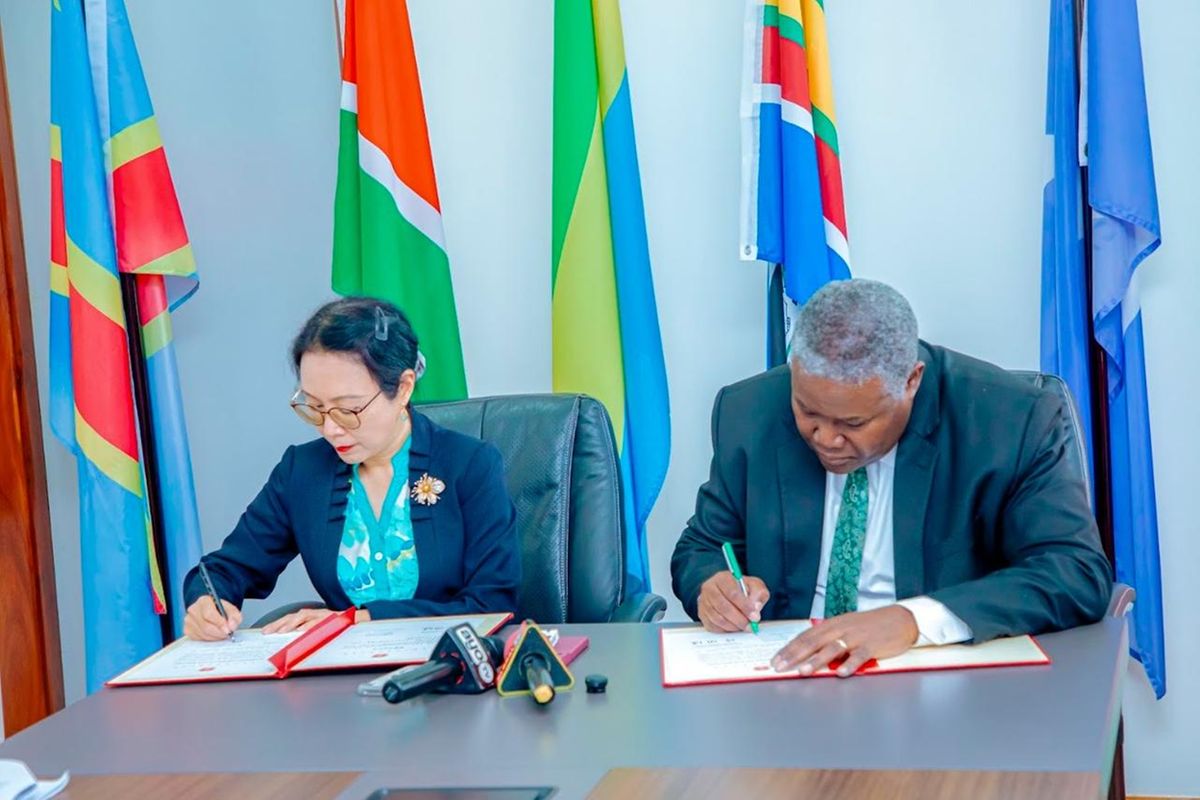
Namibia loses access to a beef market buying over 80% of its exports
An EU import suspension over foot-and-mouth disease threatens livestock jobs as Namibia tries to contain its first outbreak in its main commercial livestock zone in 60 years.
Key takeaways
- The EU has temporarily suspended imports of several Namibian meat categories following a foot-and-mouth disease outbreak.
- Europe buys more than 80% of Namibia’s beef exports, with annual shipments of around 10 million kilogrammes.
- EU ambassador Ana Beatriz Martins said a quarter of 40,000 direct jobs tied to exports to Europe would be affected.
- The outbreak had spread to 11 farms; Namibia has imposed nationwide livestock movement and meat export bans.
- Processed meat receiving the strictest disease-risk treatment remains eligible for EU entry.
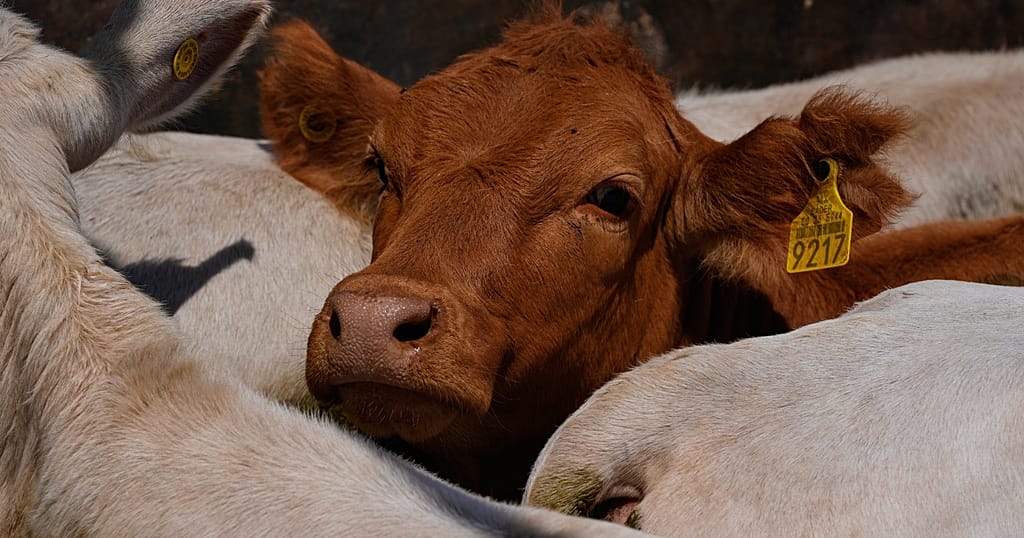
A quarter of the 40,000 direct jobs tied to Namibia’s exports to Europe would be affected by a new European Union meat import suspension, EU ambassador Ana Beatriz Martins has warned. For livestock farmers, the restriction cuts off their biggest beef market: the EU takes more than 80% of Namibia’s beef exports, according to Africanews. Around 10 million kilogrammes of Namibian beef normally reach Europe each year, Martins told Namibia’s NMH media.
The EU announced the temporary suspension on Monday following an outbreak of foot-and-mouth disease, an animal illness that causes fever and blisters around the mouth and hooves. Namibia reported the outbreak last month, its first in the country’s main commercial livestock zone in 60 years. The government had already responded with a nationwide ban on livestock movements and meat exports, putting farmers under restrictions before the European announcement.
A major buyer shuts its doors
The EU measure covers fresh meat from cattle, sheep and goats, the bloc’s delegation said. It also extends to meat from other relevant farmed and wild hoofed animals and some processed meat products. The scope therefore reaches beyond beef, even though beef is central to Namibia’s trade with Europe. The suspension is temporary, but the source report gives no date for reopening the market.
There is a limited exception for processed products. Meat subjected to the strictest treatment to reduce disease risk can still enter the EU, the delegation said. That distinction leaves a route open for qualifying processed meat, rather than making the measure a complete ban on every meat product. The delegation described the main restriction this way:
“The EU has decided to temporarily suspend the entry into its territory of fresh meat of cattle, sheep and goats...”
Martins’ employment estimate puts the human stakes alongside the trade figures. She told NMH that one-quarter of the 40,000 direct jobs involved in exports to Europe would be affected. Her comments describe the expected reach of the suspension, not a count of jobs already lost. For farmers, the challenge now combines domestic controls on moving livestock with the loss of access to the market that buys most of their exported beef.
Containing the outbreak
Officials said the outbreak had reached 11 farms since it was declared in southern Namibia on September 22. Agriculture ministry spokesman Romeo Muyunda told AFP that the government had stepped up disease monitoring, tracing and testing. Its response also includes restrictions on animal movements, veterinary roadblocks and biosecurity measures—precautions designed to limit the spread of infection.
The disease can leave animals unable to feed because of blisters and can sometimes kill them. Namibia is not alone in confronting it: cases have also struck Botswana, Eswatini, Lesotho, Mozambique, South Africa, Zambia and Zimbabwe. The EU delegation pointed to Europe’s own experience in 2001, when its last major outbreak led to the culling of more than six million animals.
Attention now turns to Namibia’s containment effort and the status of the temporary EU suspension. The spread across 11 farms, the nationwide movement controls and the narrow allowance for qualifying processed products define the immediate challenge: stopping the disease while farmers and export-linked workers face disruption to their largest overseas beef market.
Sources
Comments
No comments yet — be the first.