Sudan’s fuel squeeze puts global oil disruption on ordinary people’s doorstep
Fuel scarcity is pushing up prices in Sudan as Middle East-linked oil disruptions combine with domestic import restrictions, according to Africanews.
Key takeaways
- Fuel shortages are pushing prices higher in Sudan and burdening ordinary people.
- Africanews links the scarcity to global oil disruptions tied to the Middle East conflict and domestic import restrictions.
- Oil supply disruptions and Sudan’s import restrictions are the two pressures to watch.
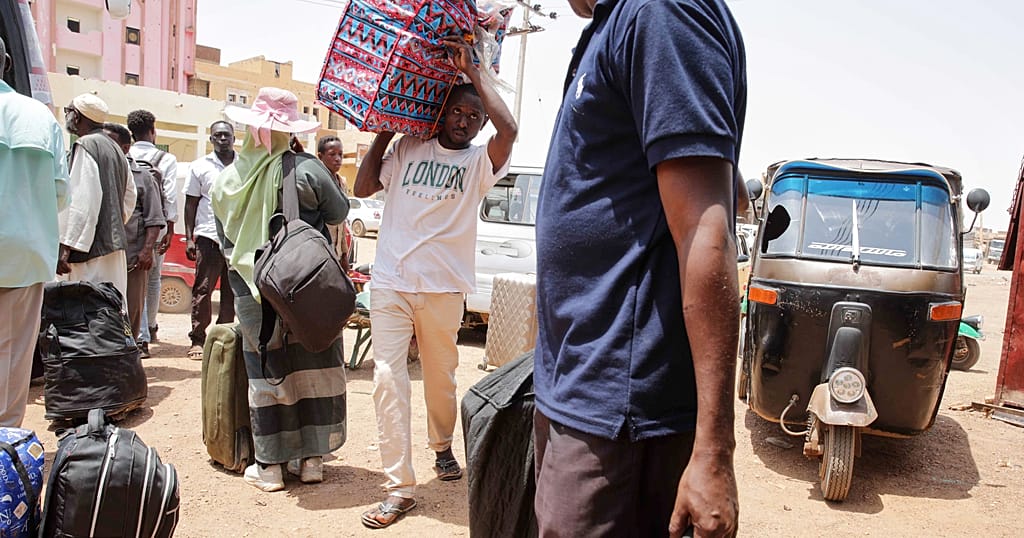
Ordinary people in Sudan are bearing the burden of a fuel shortage that is driving prices higher, according to Africanews. The squeeze brings a problem in global oil supply into everyday life, while restrictions on imports within Sudan add to the scarcity.
Africanews identifies two drivers behind the shortage: disruptions to global oil linked to the Middle East conflict, and domestic import restrictions. The report places both international disruption and Sudan’s own import constraints at the centre of the fuel problem.
Those pressures meet in the same market. Fuel is scarce, prices are rising, and ordinary people face the burden. The story is therefore about more than disruption in the oil market: it is also about the pressure that limited fuel availability places on people in Sudan.
For business readers, the key link is between supply, import restrictions and prices. The account points to a shortage with both external and domestic causes, rather than a price rise attributed to just one source of pressure. That distinction matters when following Sudan’s fuel market.
What to watch next is the course of the Middle East-linked oil disruptions and Sudan’s import restrictions. Both are identified as drivers of the scarcity; fuel availability and prices remain the central issues to follow.
Sources
Comments
No comments yet — be the first.