
U.S. Oil Rigs Edge Higher as Crude Prices Slide
Oil drilling added one rig, but a decline in gas rigs pulled the U.S. total down to 598 as crude prices fell on Friday.
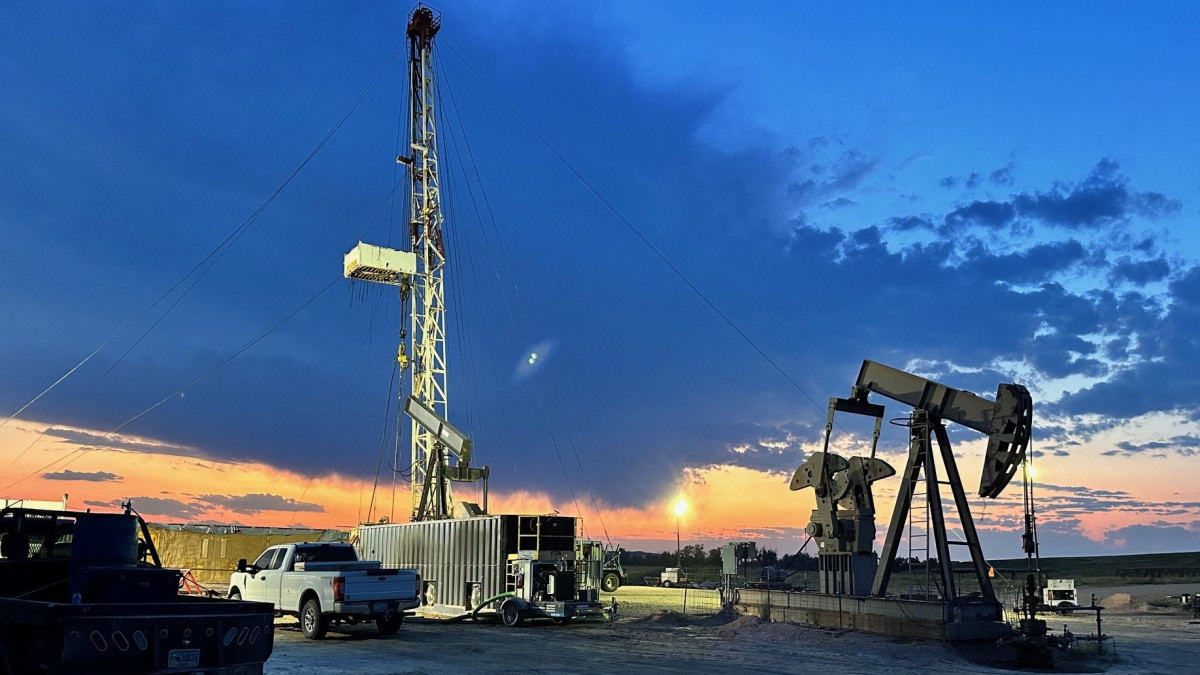
Key takeaways
- U.S. oil rigs rose by one to 456, while the total active rig count fell by one to 598.
- Gas rigs declined by two to 133; miscellaneous rigs were unchanged at nine.
- U.S. crude production averaged 13.955 million barrels per day in the week ending September 25.
- Well-completion crews increased by eight to 195, their third consecutive weekly gain.
- Brent and WTI traded lower before the rig data release as Europe announced additional emergency reserve releases.
U.S. oil drilling edged higher even as crude prices fell on Friday, with one additional oil rig taking the active count to 456. But that small gain did not keep the broader drilling total from slipping. A decline in gas rigs left the combined U.S. count at 598, according to Baker Hughes figures reported by OilPrice (direct). The weekly picture was mixed: slightly more oil drilling, less gas drilling and lower prices for both major crude benchmarks.
Gas rigs fell by two to 133, while the miscellaneous category held at nine. Together, those changes reduced the overall count by one rig. The oil gain was therefore narrower than the headline total might suggest: it marked an increase in one part of the industry, not a rise across U.S. drilling as a whole. The figures track active drilling rigs, rather than the volume of oil and gas being produced.
A small weekly move, a larger annual gap
Despite the weekly decline, the United States had 49 more active rigs than at the same time a year earlier. Oil rigs accounted for 34 of that increase, and gas rigs for the remaining 15. Both categories were therefore above their year-earlier levels, even though their latest weekly movements went in opposite directions. The broader annual comparison remained firmer than the latest one-week change.
The regional figures also showed little upward movement in the two oil-producing areas detailed in the report. The Permian Basin count stayed at 270, putting it 19 rigs above its year-earlier level. The Eagle Ford lost one rig for a second consecutive week, leaving 49 active rigs. That was still four more than a year earlier. Neither area posted a weekly gain in the latest figures.
Separate production data pointed higher. The latest Energy Information Administration figures cited by OilPrice showed U.S. crude output averaging 13.955 million barrels per day in the week ending September 25. That compared with 13.939 million barrels per day the previous week. Output was also 450,000 barrels per day above its year-earlier level, distinguishing the production picture from the small decline in the overall rig count.
Activity in well completions rose too. Primary Vision’s Frac Spread Count, an estimate of the crews working to complete wells, reached 195 in the week ending September 25. The measure added eight crews from the previous week, recording its third consecutive weekly increase. It provides a separate view of field activity from the count of rigs drilling wells.
Prices fall ahead of the release
Before the rig figures were released, Brent crude, an international oil-price benchmark, was trading at $101.10 a barrel, down 1.14% on the day and nearly $3 below the level a week earlier. WTI, the U.S. crude benchmark, was at $90.50, down 2.55%. OilPrice reported the declines as Europe announced plans to release additional crude oil and diesel from emergency reserves.
The next readings to watch are whether oil rigs continue to inch higher, whether gas drilling extends its decline and whether completion crews post another gain. Those measures will show whether the latest split in U.S. field activity persists alongside weaker crude prices.
Sources
Comments
No comments yet — be the first.