
Uganda’s $12 Billion Oil Push Puts Cost Control at the Centre
A petroleum regulator official says competitive development costs support Uganda’s oil ambitions, but spending discipline will determine how quickly the state benefits.
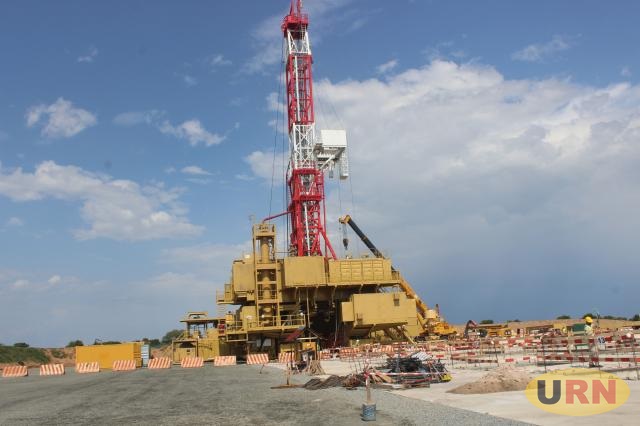
Key takeaways
- Uganda’s oil and gas sector attracted more than $12 billion in cumulative investment by the end of 2025, according to a regulator official.
- Almost $3 billion was expected to be spent in 2026, with investment concentrated in Tilenga, Kingfisher and EACOP.
- Companies recover eligible costs from production before the remaining crude is shared, making spending discipline critical to state returns.
- Semakula cited estimated oilfield development costs of $8.10 a barrel and an upstream breakeven price of about $35.
- Completing projects, securing exploration investment and strengthening cost oversight are the next priorities outlined in the commentary.
Uganda’s oil industry had drawn more than $12 billion in investment by the end of 2025. But the size of that spending is only half the story: under the country’s petroleum arrangements, higher costs can leave the government waiting longer for a smaller share of the crude produced. That makes controlling expenditure central to turning large projects into national income.
The figures come from Angela Nalweyiso Semakula, manager of cost monitoring at the Petroleum Authority of Uganda, in a commentary published by The Independent Uganda (direct) on October 6, 2026. She said more than $8 billion had been invested in the four years following the February 2022 final investment decision—the commitment to proceed with development. Almost $3 billion was expected to be spent in 2026 alone. Her account presents the regulator’s case for the sector’s economics and oversight, rather than an independent assessment of project performance.
The spending behind the promise
Investment has largely gone into the Tilenga and Kingfisher oilfield developments and the East African Crude Oil Pipeline, known as EACOP. Together, they form one of the region’s largest industrial undertakings. Semakula said the spending had supported construction, transport, logistics, manufacturing and professional services, creating opportunities for domestic businesses. She also linked the investment flows to investor confidence in Uganda’s petroleum resources and regulatory framework.
The financial challenge lies in how oil revenue is divided. Licensed companies recover their eligible costs through a portion of annual crude production; the remaining oil is shared between investors and the government. Larger recoverable bills therefore delay and reduce the state’s share, according to Semakula. Bringing investment into the country and keeping those bills under control are connected tasks, not separate measures of success.
Semakula’s central argument: cost efficiency determines both how soon Uganda benefits from its oil and how much value it receives.
Competitive figures, with oversight at stake
Semakula put Uganda’s oil finding costs—the expense of discovering crude—at about $2.70 a barrel, and estimated development costs at $8.10 a barrel. She compared those figures with global finding costs of $6–$12 and development costs of $15–$30, depending on location and project complexity. The estimated upstream breakeven price, the oil price needed to cover technical and fiscal costs for the oilfield projects, was about $35 a barrel. These are figures and comparisons presented in her commentary.
The authority’s controls include reviewing and approving annual work plans and budgets, monitoring implementation and comparing expenditure with international industry standards. Semakula said licensing fields to multiple companies, including the Uganda National Oil Company, also creates checks and balances. Coordinating oilfield and pipeline development allows projects to share efficiencies while guarding against one project subsidising another. She said operators had improved designs, procurement and contract management.
A further safeguard is the Office of the Auditor General’s examination of costs submitted for recovery, intended to ensure that only legitimate, allowable spending is charged against production. Semakula said cost discipline had not compromised safety or environmental standards. The next test is completing ongoing projects while attracting further exploration investment. She said the authority would strengthen regulation, cost-monitoring tools and engagement with stakeholders as that work continues.
Sources
Investing involves risk. TGC value can fall. This is not investment advice.
Comments
No comments yet — be the first.