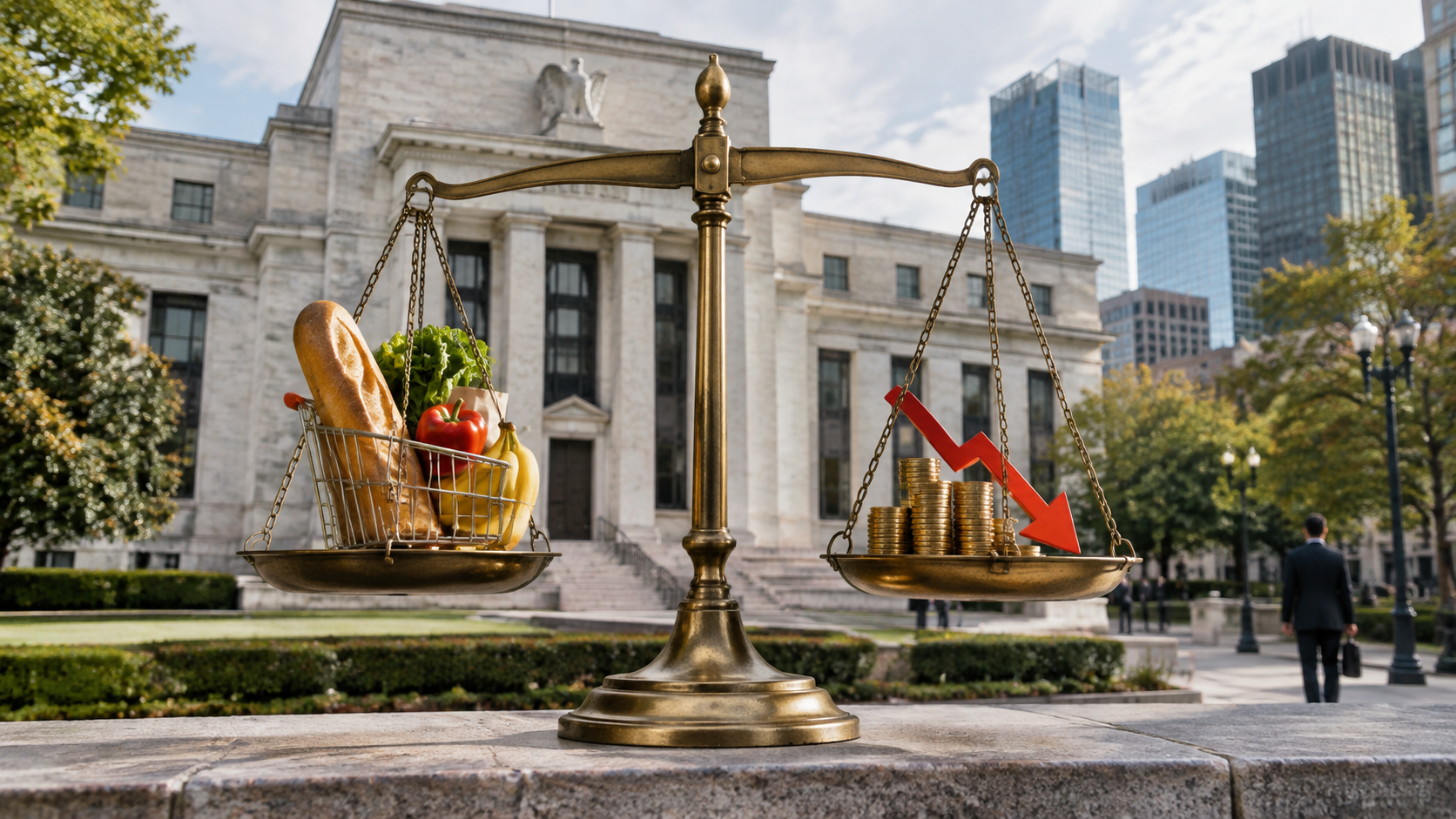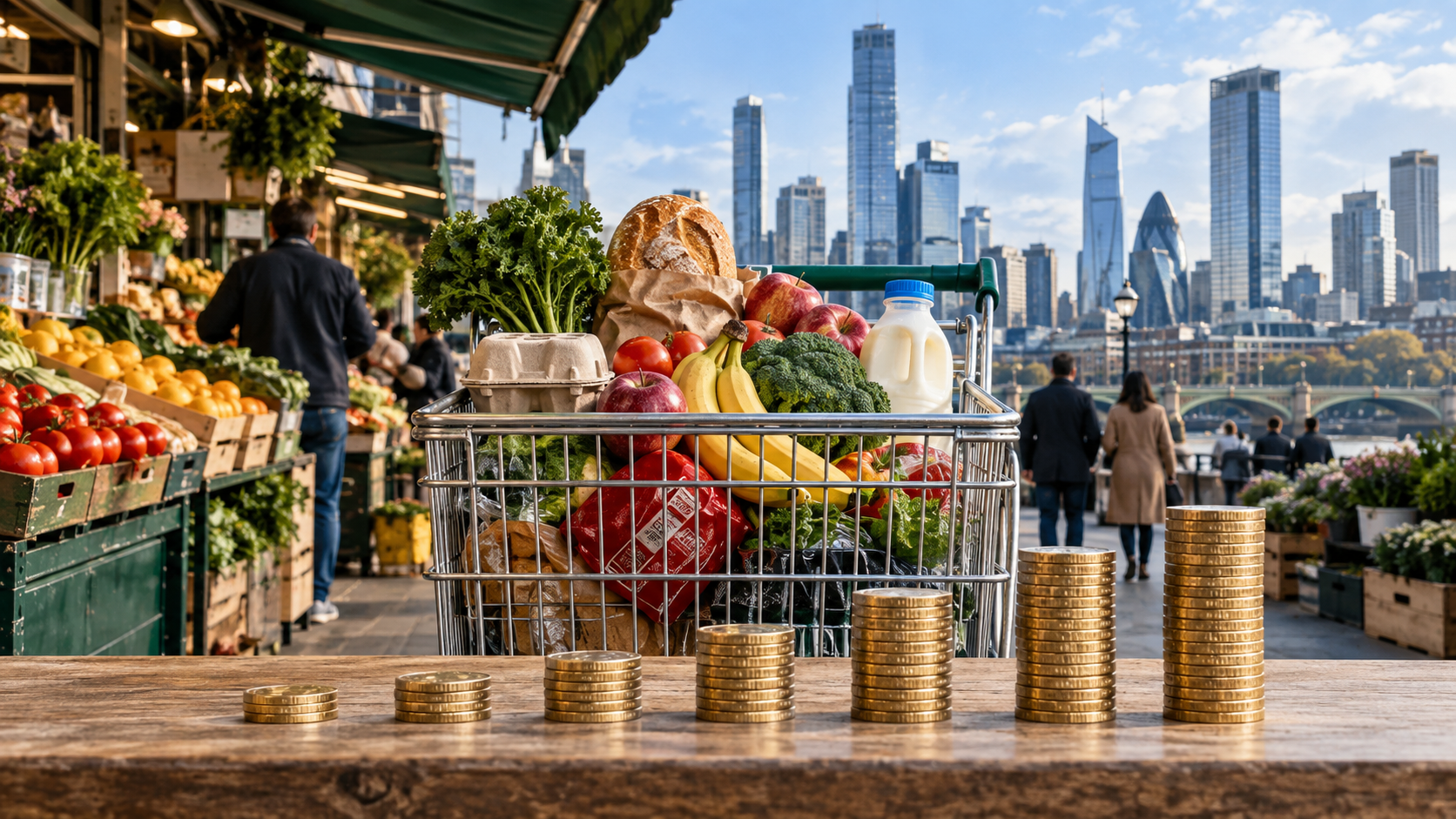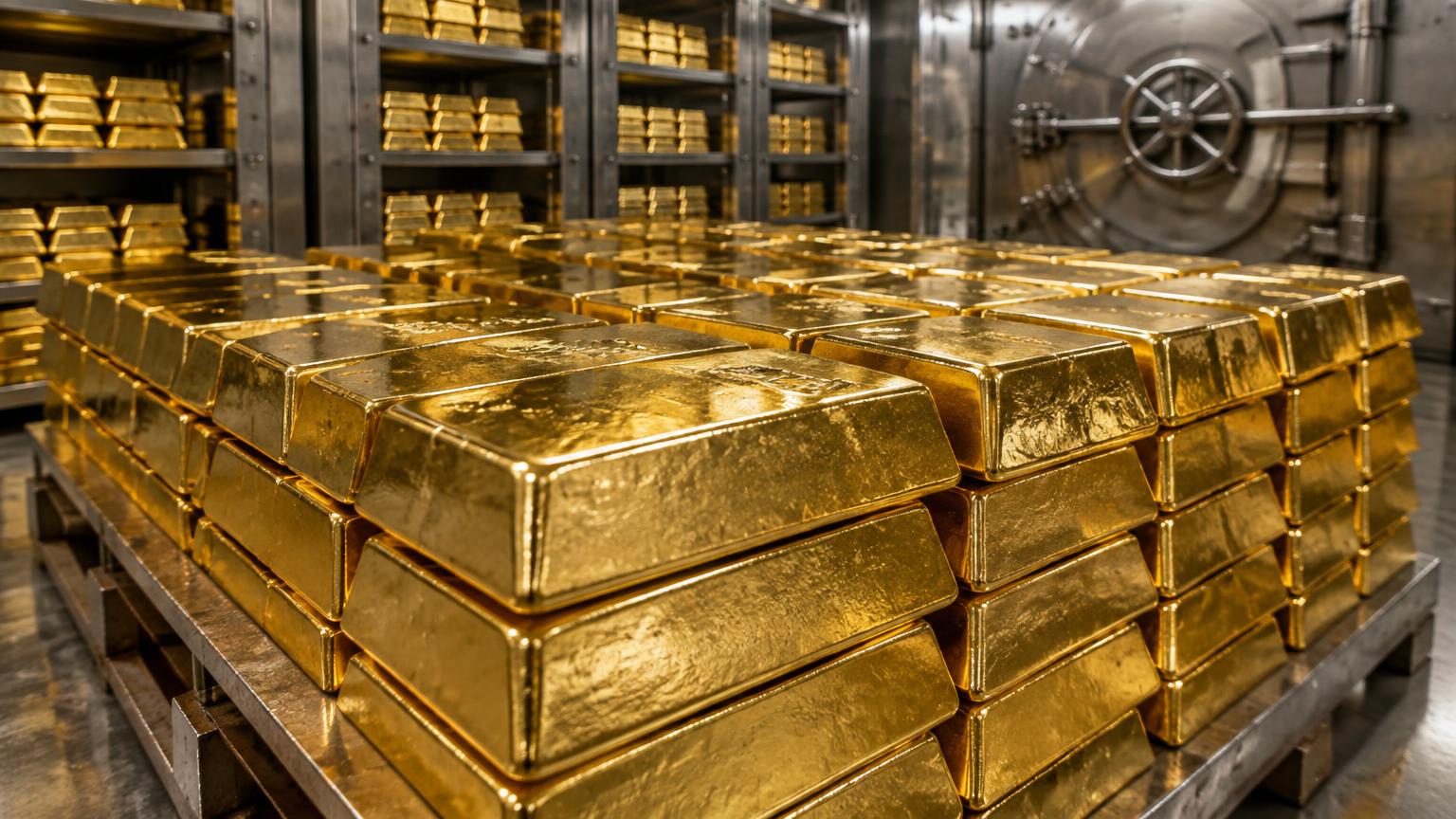
Why a Supply Shock Can Raise Prices Across the Economy
Learn how supply shocks in energy, transport and food can spread inflation, why the effects vary, and what rising costs mean for real operations.
Key takeaways
- A negative supply shock makes goods or essential inputs harder or more expensive to supply, potentially raising prices.
- Energy, transport and food disruptions can spread through supply chains, but businesses do not pass on every cost increase.
- The duration of a disruption and the responses of businesses help determine whether inflation pressure fades or persists.
- Higher selling prices do not ensure higher profits: real operations also face changing costs, output and execution risks.
Your usual loaf costs more. So does the delivery fee. Then the café changes its menu prices. How can several everyday purchases become more expensive when you are not buying anything extra?
Sometimes, the trouble starts far from the checkout: a damaged harvest, an interrupted fuel supply or a blocked shipping route. At Teqwah, we believe understanding those connections helps you look beyond a price tag and ask what is happening in the real economy.
A supply shock is an unexpected change in the availability or cost of producing goods and services. Here, we focus on a negative supply shock: something becomes harder or more expensive to supply.
A supply shock can spread inflation because one business’s essential input becomes another customer’s higher bill.
Why can a shortage raise your shopping bill?
Imagine a flood damages a region’s wheat crop. Bakeries still need flour, but less wheat is available. Buyers compete for the remaining supply, and prices may rise.
The baker now faces a decision: charge more, accept a smaller profit or change how the bread is made. If alternative suppliers are also expensive, switching may not solve the problem.
This is one route to cost-push inflation: rising production costs putting upward pressure on selling prices.
It differs from demand-pull inflation, where spending grows faster than businesses can supply goods and services. A supply shock can raise prices even when customers are not buying more.
Why this matters: a rising shopping bill does not always mean the economy is booming. It can mean producing the same goods has become more difficult.
How do energy, transport and food spread the pressure?
Some inputs sit behind a huge range of purchases. That makes their disruption especially important.
Consider a shopkeeper receiving chilled vegetables. The farm needs energy for irrigation. The warehouse needs electricity for refrigeration. The delivery truck needs fuel. A disruption to energy supply can affect each stage.
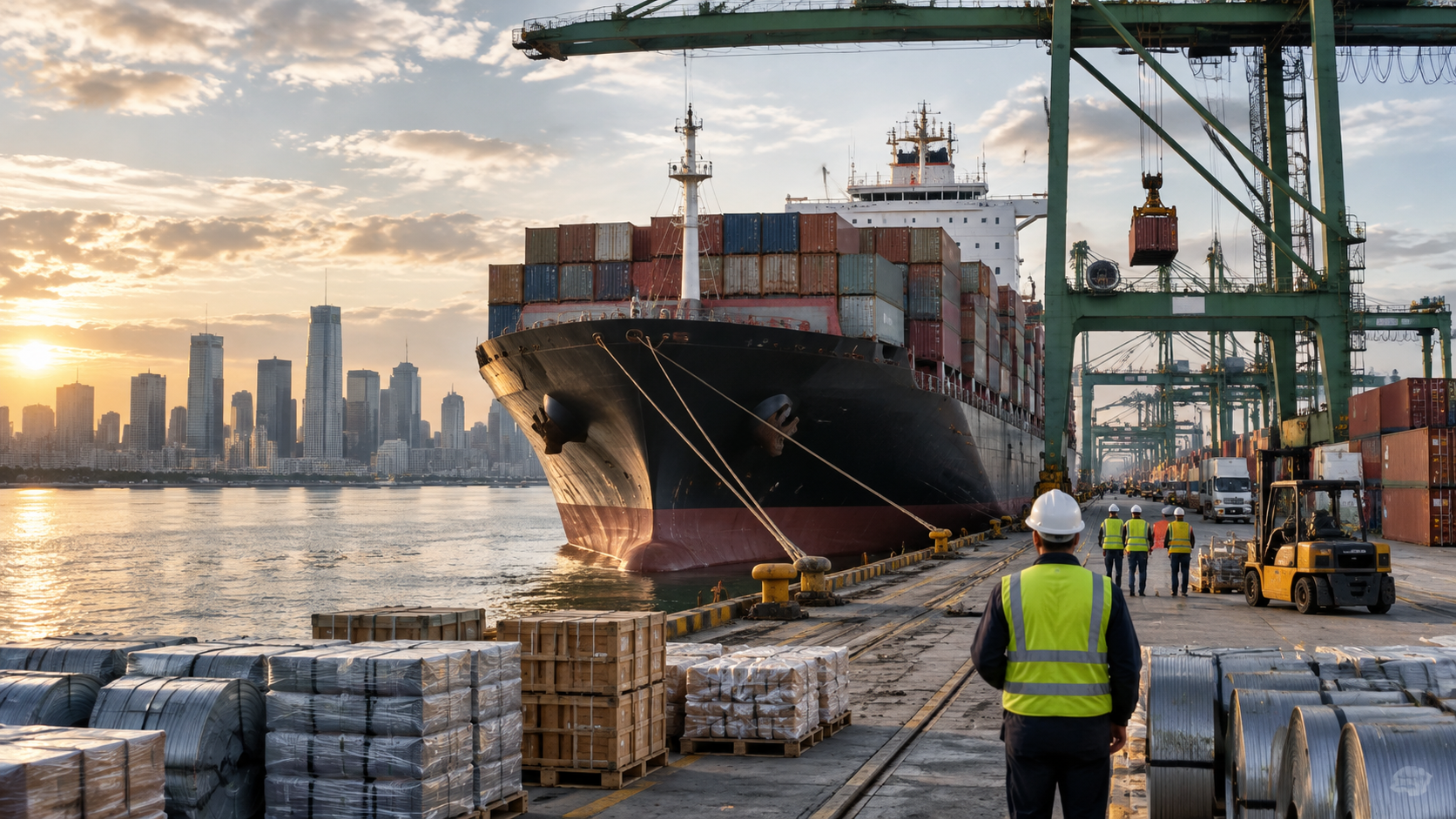
Transport creates another link. If a shipping route closes, goods may need a longer journey. Businesses can face higher freight charges, longer waits and additional storage costs. Even an item made far from the disruption can become more expensive to deliver.
Food shortages can travel through supply chains too. A smaller grain harvest may raise costs for flour producers and livestock farmers, with possible effects on bread, meat and dairy products.
We can think of the chain in three steps:
- The initial disruption: an essential input becomes scarce or costly.
- The business response: producers absorb costs, adapt or raise prices.
- The household effect: some increases reach the prices consumers pay.
Not every cost increase reaches customers, and it rarely reaches every product equally.
Why do some businesses raise prices while others do not?
Picture two cafés facing the same increase in electricity costs. One has a fixed-price energy contract that delays the impact. The other renews its contract immediately and faces the higher bill sooner.
Their customers matter too. A café surrounded by competitors may struggle to raise prices without losing sales. It might accept lower margins—the profit left after costs—or simplify its menu instead.
Businesses can also switch suppliers, improve efficiency, use stored materials or reduce output. These choices affect both prices and availability.
Here is a simple distinction: if fuel is only one part of a delivery company’s costs, a rise in fuel prices does not automatically justify the same percentage rise in its delivery fees. Wages, rent, competition and customer demand also matter.
Why this matters: news of an input shortage tells you where pressure starts, not exactly how much your final bill will rise.
Will prices fall when the disruption ends?
Duration makes a big difference. A brief port closure may be bridged using stock already in warehouses. A prolonged disruption can exhaust those buffers and force expensive changes.
If supply recovers, some prices may fall. Others may remain higher because contracts, wages or other costs have changed. Businesses may also restore margins squeezed during the disruption.
Crucially, a higher price level is not the same as continuously rising inflation. A one-off jump can temporarily raise the inflation rate. If prices then stabilise, inflation can slow even though shopping remains more expensive than before.
Persistent inflation becomes more likely when disruptions repeat or price and wage decisions keep passing the pressure onward. That is possible, not inevitable.
For a young saver, the useful question is therefore not just “Did prices rise?” It is “Are they still rising, how broadly, and why?”
What does this mean for real-asset participation?
A higher selling price does not automatically mean a healthier business. A small mining operator might receive more for its output while also paying more for fuel, machinery maintenance and transport. What remains after costs is what matters.
That distinction connects directly to our Teqwah investment approach. Our operations span gold mining, physical gold trade, productive machinery and selected real estate. Participants hold TGC as a proportional participation in our unified pool; they do not select individual projects.
For people who see potential in gold but cannot run a mine themselves, we offer a way to participate in those operations. The opportunity is exciting precisely because value must be created through execution—not assumed from inflation headlines.
TGC is not exchange-traded. Its recorded value comes from pool value divided by circulating TGC, and it can rise or fall. Real assets do not make participation immune to disruption or loss.
Frequently asked questions
Does every supply shock cause inflation?
No. A small or short disruption may be absorbed through inventories, alternative suppliers or lower business margins. Broader inflation depends on its reach and the response of businesses and customers.
Can inflation slow while prices stay high?
Yes. Inflation measures how quickly prices rise, not whether they are affordable. Slower increases can leave the overall price level well above where it started.
Does a supply shock automatically make gold participation profitable?
No. Neither inflation nor a higher gold price ensures positive operating results. Costs and output matter too. Our participation returns are variable and never guaranteed.
Understanding the costs behind a price helps you ask better questions about the opportunities ahead. We invite you to explore how we connect participation with productive operations at Teqwah: Explore TGC →.
Investing involves risk; values can fall. This article is education, not financial advice.
Teqwah view
At Teqwah, we connect participation with gold mining, physical gold trade and productive operations, where costs matter alongside output. We see the opportunity in the work of creating value through those operations, while recognising that TGC value can fall and returns are variable.
Sources
Investing involves risk. TGC value can fall. This is not investment advice.
Comments
No comments yet — be the first.