Working Capital: What Keeps Gold Mining Moving
A machine needs more than a purchase budget. Learn how working capital pays for fuel, wages and transport before gold sale proceeds arrive.
Key takeaways
- Working capital bridges the gap between paying operating costs and collecting sale proceeds.
- Buying machinery and funding its daily operation are separate budgeting decisions.
- Profit does not necessarily mean cash is available when bills fall due.
- Cash forecasts and buffers help manage delays, but cannot eliminate risk or fix unprofitable operations.
Imagine buying a delivery van, finding customers and then discovering you cannot pay for fuel until those customers pay you. You own the tool. You have demand. But tomorrow’s deliveries are stuck.
A mining operation can face the same problem. A technically promising site and a capable machine are not enough if cash runs out before sale proceeds arrive.
At Teqwah, we connect capital with productive operations. Understanding working capital helps you see what that journey really requires: not just assets, but the resources to put them to work.
Funding a machine gets it to the starting line. Funding its operation helps keep it moving until sales turn into cash.
What is working capital, in plain language?
In accounting, working capital means current assets minus current liabilities: resources expected to become cash or be used in the near term, less obligations due in that period. Current assets can include cash, inventory and customer payments still outstanding.
For everyday planning, the practical question is simpler: can the business pay its bills while it waits to get paid?
Think of a shopkeeper. Stock must arrive before customers can buy it. Rent and staff costs continue while some products sit on shelves. The shopkeeper needs money to bridge that gap.
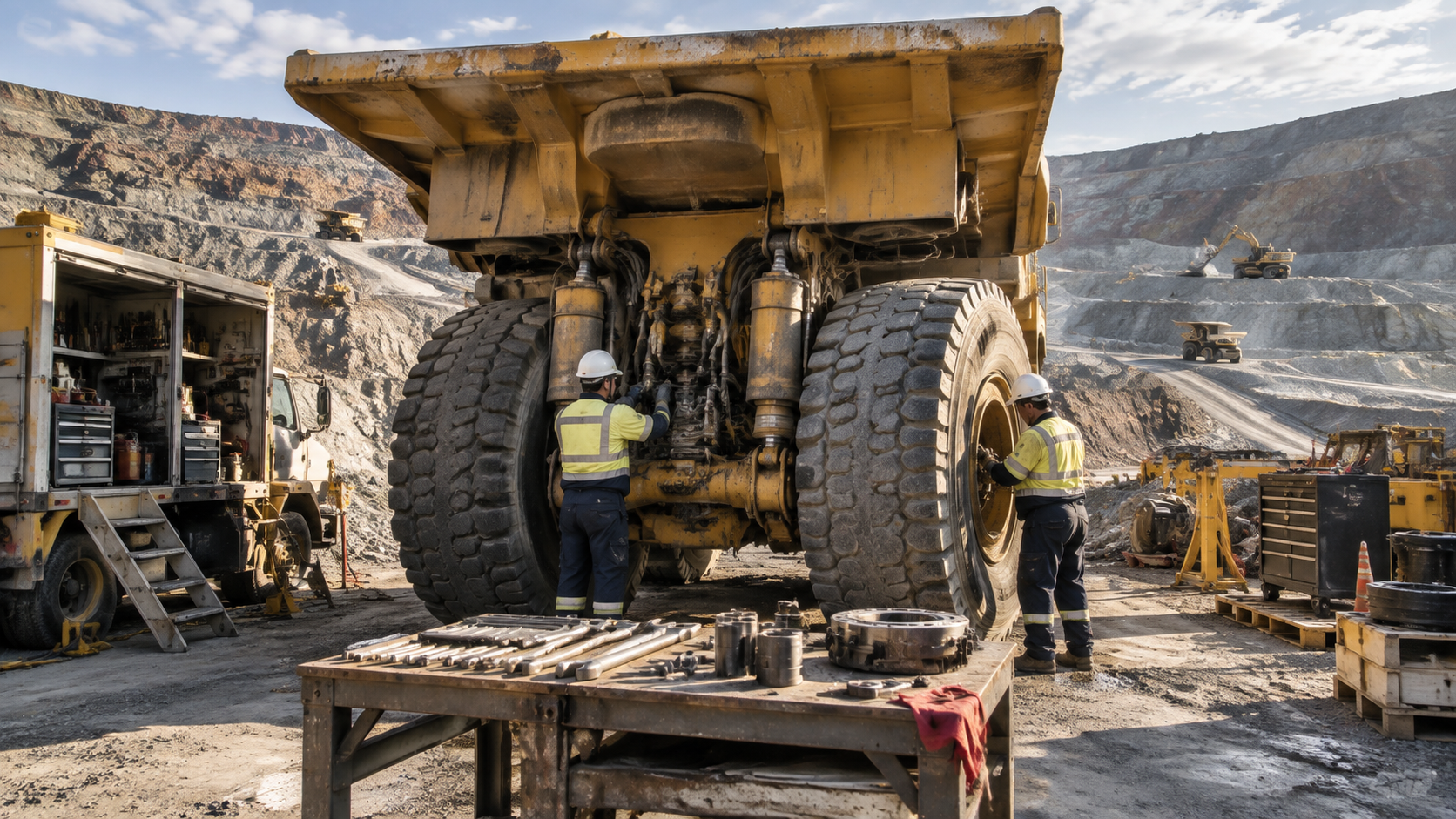
Mining has its own version. Fuel, wages, supplies and transport may need paying before extracted material becomes a completed sale and collected cash.
Why this matters: a business can hold valuable assets and still struggle to meet a payment due tomorrow. Working capital is not the same as cash in the bank.
Buying equipment and operating it are separate decisions
When you see a machine at work, it is easy to focus on its purchase price. That is a visible investment. The daily spending behind it is less obvious, but equally important.
Capital expenditure buys or improves a long-lived asset, such as machinery. Operating expenditure covers the costs of running the business, such as fuel and wages. Working capital helps bridge the timing gap between paying those costs and collecting sales proceeds.
Consider a small miner choosing equipment. The first question is whether the machine suits the work. The second is whether enough accessible cash will remain to operate it through the next collection cycle.
A practical budget separates:
- Equipment purchase and getting it ready for work.
- Routine operating payments, including fuel, labour and transport.
- A cash buffer for delays and unexpected costs.
The cheapest machine is not automatically the easiest to sustain. Fuel use, maintenance needs and downtime can change the cash required to keep it productive.
The lesson is simple: buying capacity and sustaining output need separate calculations.
Follow the cash from first expense to collected sale
Suppose an illustrative mining operation pays its crew, buys fuel and arranges transport. Production begins. Material then needs processing, assessment and sale. Payment arrives only after the relevant commercial steps are complete.
Throughout that sequence, cash is leaving before cash returns.
This is the operating cash gap. A longer gap generally means more funding is needed to support the same level of activity, unless payment terms or other conditions change.
A shopkeeper can face the same squeeze when customers buy on credit. Sales may look healthy, but unpaid invoices cannot directly pay tomorrow’s wages.
Profit and cash flow answer different questions. Profit asks whether revenue exceeds expenses under the applicable accounting rules. Cash flow tracks when money actually enters and leaves.
An operation can therefore record a profit while facing a cash shortage. Conversely, a large bank balance does not prove profitability if that money came from new funding.
For anyone assessing a productive business, both questions deserve attention: does the activity create value, and can it fund the wait to collect that value?
Plan for the delay, not just the ideal schedule
What happens if a spare part arrives late? What if transport is postponed or a customer takes longer to pay?
A cash plan should consider those possibilities before they become urgent. One useful approach is a rolling forecast: a regularly updated schedule of expected receipts and payments.
Start with accessible cash. Add money expected to arrive. Subtract payments when they are actually due. Then test a slower-sales scenario, a higher-cost scenario and a period of equipment downtime.
The aim is not to predict every problem. It is to identify when cash could run short and what choices would remain.
A buffer can help absorb disruption, but it cannot turn an uneconomic operation into a profitable one. If costs repeatedly exceed sales, extra funding may only postpone a harder decision.
Why this matters: good working capital planning supports continuity. It does not remove operating risk.
How this connects to our gold operations
For people who see potential in gold but cannot run a mine themselves, the operating details matter. They explain why participation is about more than owning a piece of equipment or watching the gold price.
At Teqwah, we deploy equipment and operating capital into mining activity. Our operations also include physical gold trade and productive machinery, with selected real estate considered when it fits our mandate.
Participants hold TGC as a proportional participation in our unified pool; they do not select individual projects. We manage allocation across our operations. TGC is a divisible participation unit, not an exchange-traded instrument, and its recorded value can rise or fall.
That is the opportunity we are working to build: connecting participation with productive work. Its potential depends on execution, costs and operating outcomes—not simply on purchasing assets.
Understanding working capital gives you a clearer way to read that story. Ask not only what capital buys, but what keeps those assets working.
Frequently asked questions
Is working capital just cash?
No. Accounting working capital includes other current assets, such as inventory and receivables, less current liabilities. Cash planning matters because those assets may not become spendable money before bills fall due.
Can a promising mine stop because it lacks working capital?
Yes. Technical potential does not pay immediate bills. Without enough accessible funding for fuel, wages or transport, activity can stall before sale proceeds arrive.
Does more working capital always mean a better investment?
No. Adequate funding helps operations continue, but profitability, costs, asset quality and collection timing still matter. Extra cash cannot by itself fix weak economics.
Explore how we connect participation with real operations at teqwah.com.
Investing involves risk and values can fall. This article is educational, not financial advice.
Teqwah view
At Teqwah, we deploy both equipment and operating capital into mining because productive work needs more than machinery alone. Through TGC, we connect participants with our unified pool while we manage allocation across our operations. We invite you to understand the work behind the assets, with the clear recognition that outcomes vary and value can fall.
Sources
Investing involves risk. TGC value can fall. This is not investment advice.
Comments
No comments yet — be the first.