A Mineral Occurrence Is Not a Mine: What Creates Value
Finding minerals is only a start. Learn how grade, recovery, access, costs, water and permissions shape whether a site can become a mine.
Key takeaways
- A mineral occurrence confirms mineral presence, not the existence of a commercially viable mine.
- Representative grade, recoverable metal and workable processing matter more than a striking sample.
- Access, water, full-life costs, permissions and community relationships all influence viability.
- Assess the evidence, unresolved questions and investment structure—not simply the attraction of gold.
A friend sends you a photograph of a rock with bright gold-coloured flecks. “Imagine owning the land this came from,” they say. It is easy to picture machinery arriving and gold leaving.
But what if those flecks are not gold? Even if a laboratory confirms gold, what if that rock is the richest piece on the property?
At Teqwah, we see an important financial lesson here: mineral potential and productive value are different things. The opportunity is exciting precisely because value must be created through execution—not simply discovered in a striking sample.
A mineral occurrence shows that minerals are present. A viable mine needs evidence that they can be extracted responsibly and economically.
1. What does a mineral occurrence actually tell you?
A mineral occurrence is a place where mineralisation has been identified. It is a starting point for investigation, not proof of a commercial deposit.
Think of a shopkeeper finding one customer willing to buy an expensive item. That sale is encouraging. It does not establish enough demand to support a whole shop.
A mineral sample works in much the same way. It tells you something about the material tested, but not necessarily about the surrounding ground. A hand-picked specimen can overrepresent the richest material. Even a reliable laboratory result needs context: where the sample came from, how it was collected and whether it represents a larger area.
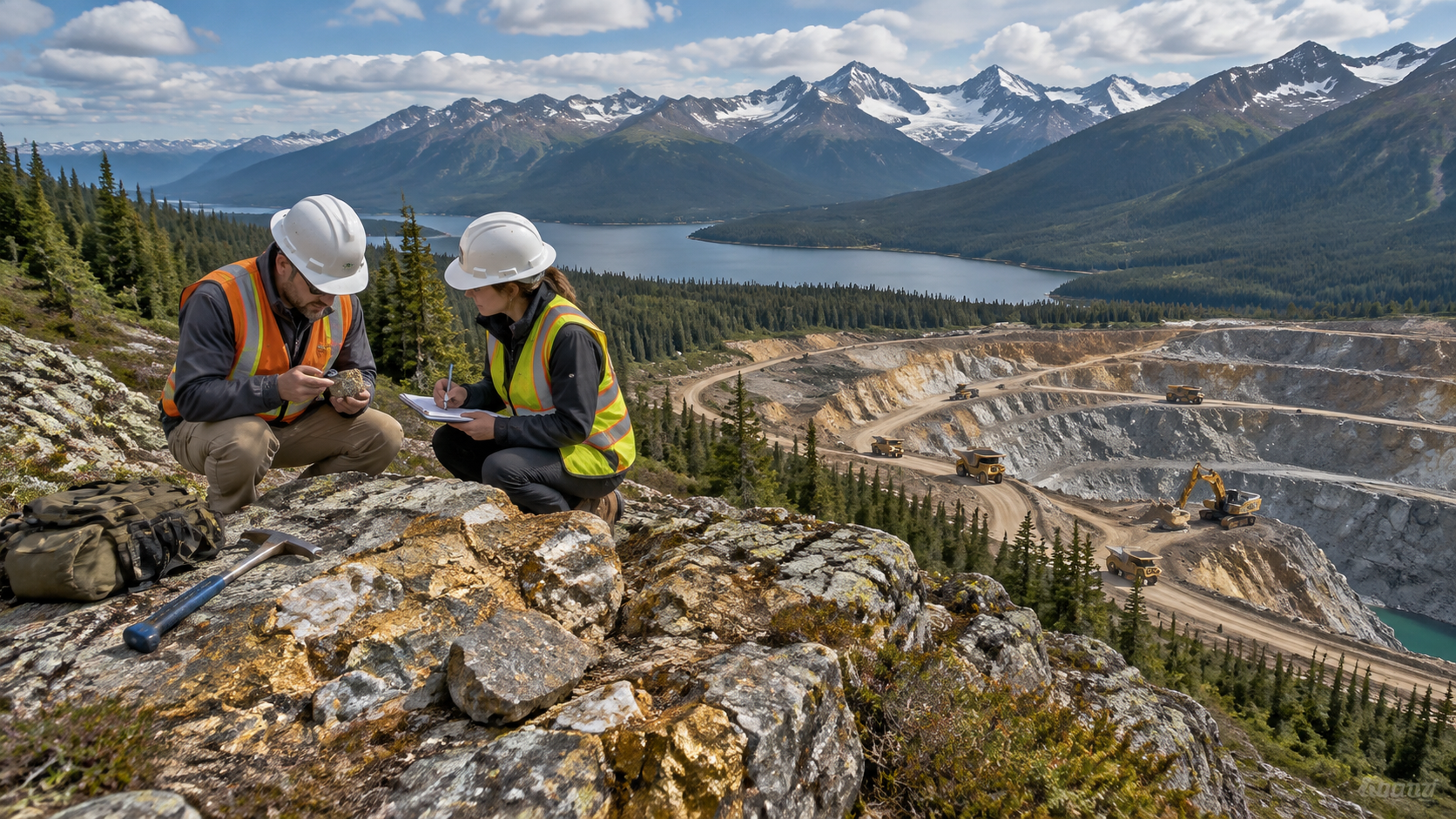
More systematic sampling, mapping and, where appropriate, drilling help reveal size, depth and continuity—whether mineralisation extends between tested points.
Why this matters: finding something valuable is not the same as finding enough of it to build a business.
2. How much metal is there—and how much can be recovered?
Two words deserve every prospective mining investor’s attention: grade and recovery.
Grade describes the concentration of a useful mineral or metal in the material. For gold, it is often expressed as grams per tonne. Recovery is the proportion a processing method can actually extract.
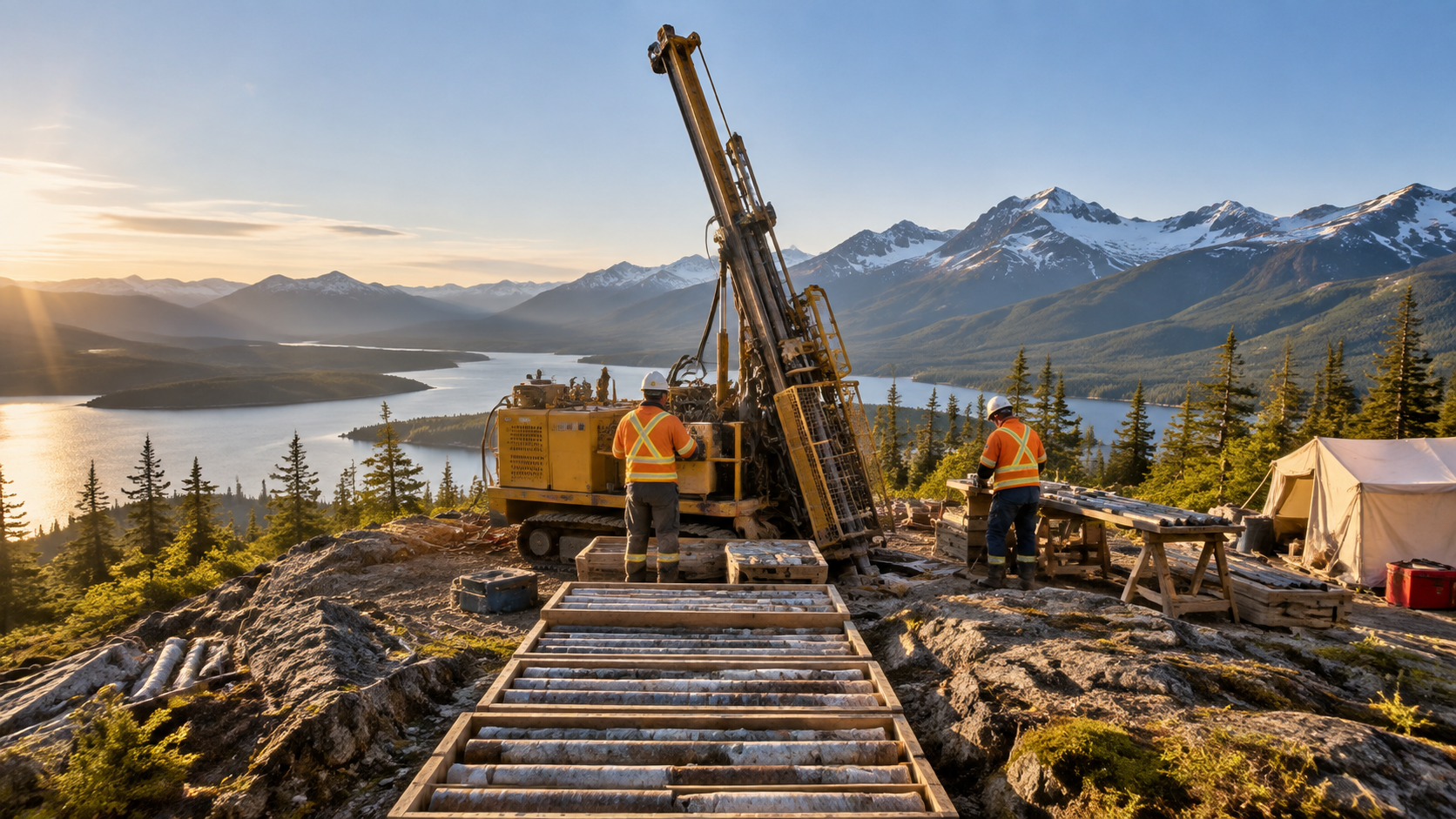
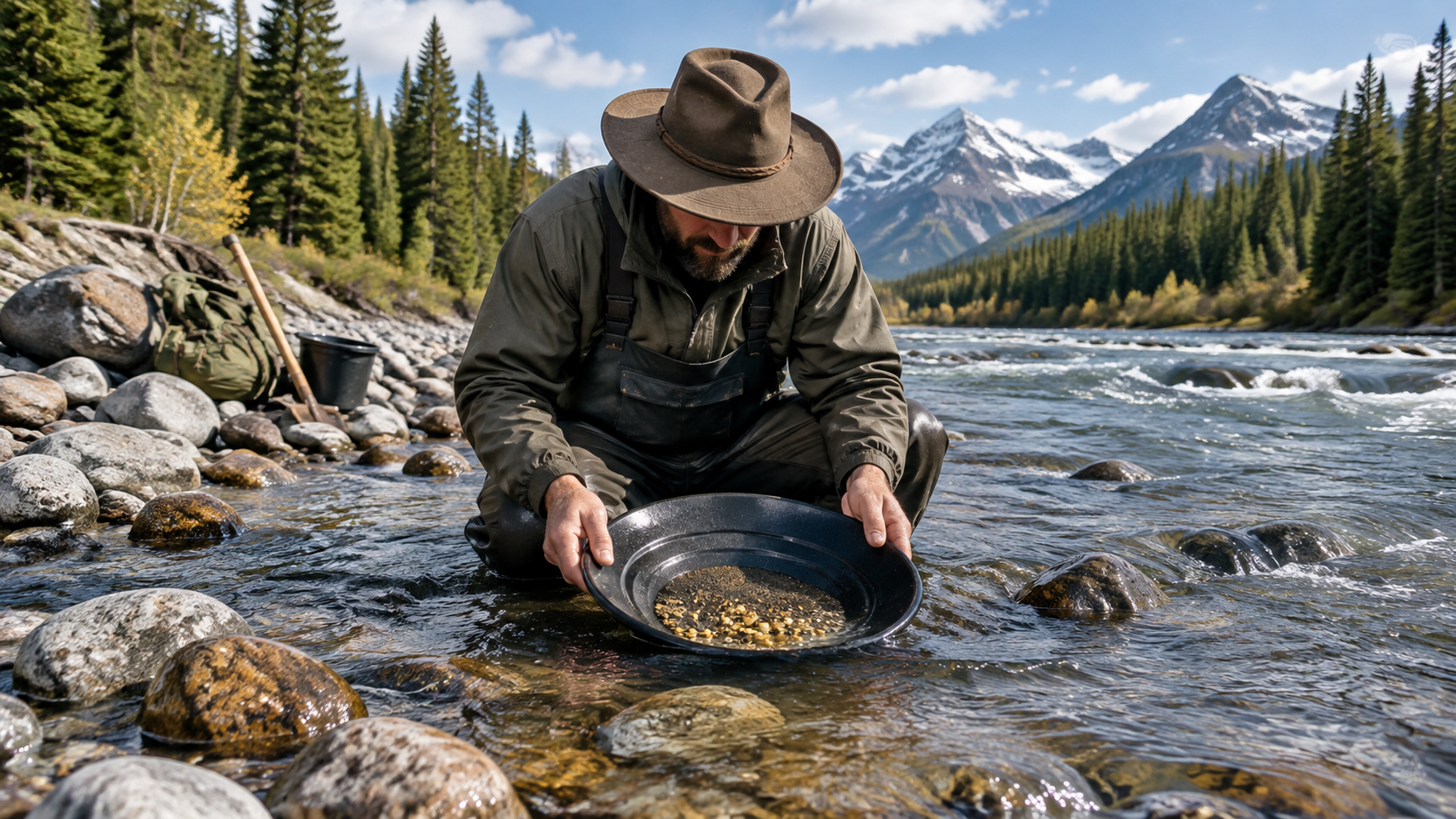
Imagine a small miner handling rock that contains gold. Some gold may separate readily. Some may be locked inside other minerals and need more complex treatment. The laboratory can identify gold that a simple processing setup cannot economically recover.
As a simplified relationship:
Material processed × average grade × recovery = recovered metal.
That is not a profit formula. Selling terms, further losses and costs still matter.
Representative processing tests help establish which method could work and how results vary across the deposit. Mine planning must also consider dilution: lower-grade material mixed into the material being mined.
A spectacular sample does not answer these questions. Nor does a large amount of low-grade material automatically make a poor project. The combination of grade, recovery, scale and cost matters.
3. Can people, machinery and water reach the site?
Picture buying a delivery van for a shop, then discovering that the only road floods for part of the year. The van exists. The business still cannot deliver reliably.
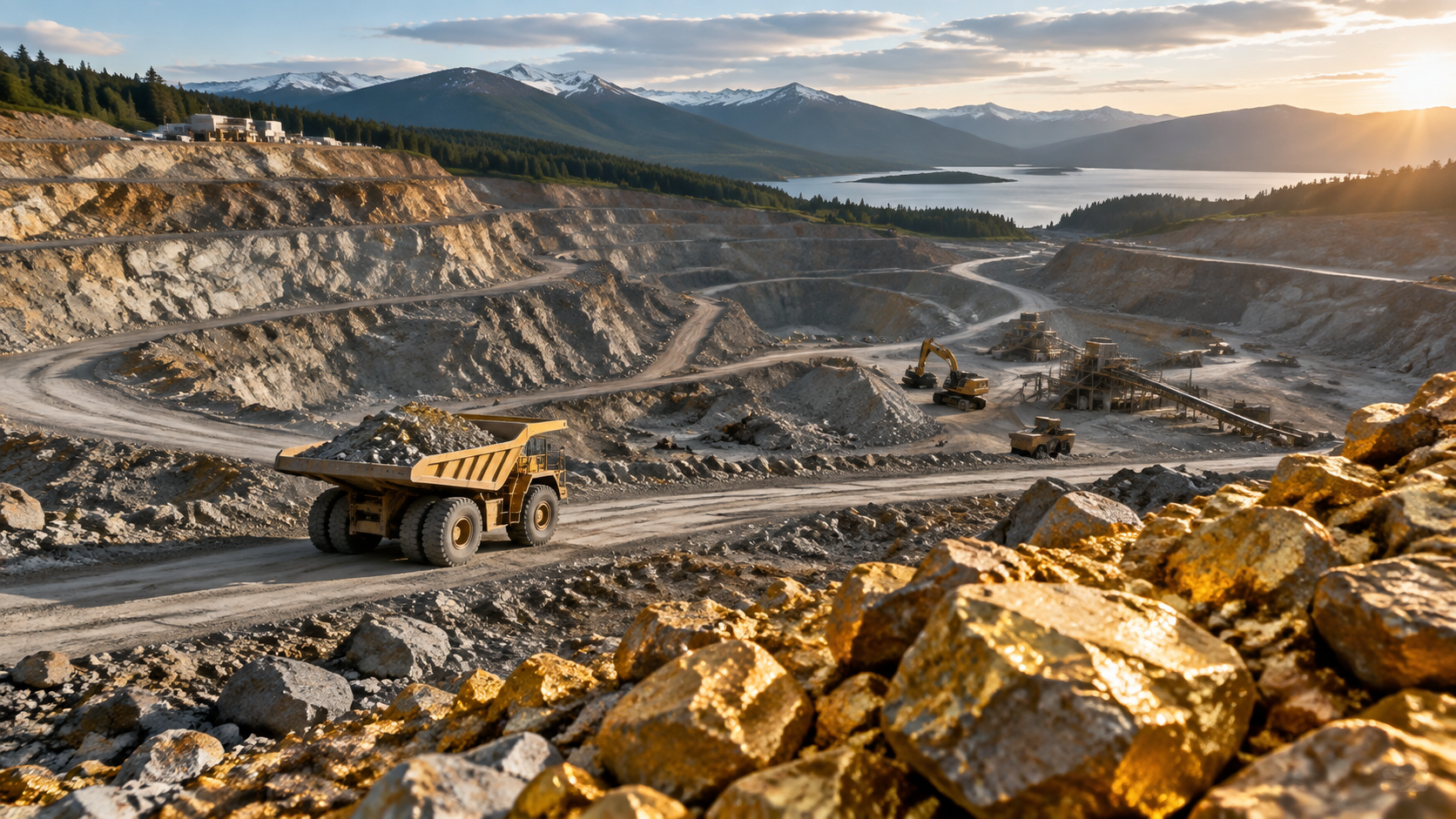
Mining faces similar practical constraints. A site may need roads, bridges, power, fuel storage, communications and access for heavy equipment. Remote operations can face long waits for spare parts or specialist repairs.
Water deserves particular attention. Processing may require a dependable supply, while excess water can also disrupt excavation. Responsible planning considers seasonal availability, competing users, water quality, recycling and lawful discharge.
The ground itself matters too. Depth, rock strength and the amount of waste that must be moved influence the mining method and equipment needed.
Why this matters: a deposit cannot earn its way merely by existing. It needs a workable operating system around it.
4. Can the project cover its full costs and earn permission?
A young saver might ask, “If the metal sells for more than the digging costs, is that enough?” Not necessarily.
Commercial viability means more than covering today’s fuel and wages. A realistic assessment considers:
- Upfront capital: equipment, site preparation, processing facilities and infrastructure.
- Operating and continuing costs: labour, energy, maintenance, consumables and equipment replacement.
- Other obligations: applicable taxes, royalties, financing, environmental management and closure.
- Working capital: money needed to keep operating before sales receipts arrive.
Timing matters. Delays can require more cash before a project earns revenue. Changing metal prices, lower recovery or higher fuel costs can turn an attractive estimate into a loss. Testing less favourable assumptions helps reveal how fragile the economics may be.
Permissions are another essential part of viability. Land access does not automatically include mineral rights. Permission to explore is not necessarily permission to produce. Requirements vary by jurisdiction and may include environmental approvals and water authorisations.
Community relationships cannot be treated as an afterthought. Projects need to understand local land use, livelihoods and concerns, and secure agreements where required. A permit does not replace ongoing dialogue, and community support does not replace legal approvals.
5. What evidence should you look for before investing?
Rather than asking only, “Is there gold?”, ask, “What supports the step from discovery to production?”
Look for representative geological evidence, suitable processing tests, realistic cost assumptions, a credible operating plan and clarity about rights and approvals. Ask what remains unknown and what work is needed next.
A mineral resource estimate is not the same as a mineral reserve. Under recognised reporting frameworks, a reserve represents the economically mineable portion of an appropriately assessed resource, supported by studies and relevant modifying factors. Neither label removes operating risk.
At Teqwah Capital, our activities span gold mining, physical gold trade, productive machinery and selected real estate. Participants hold TGC as proportional participation in our unified pool; they do not select individual mines or projects. TGC is not exchange-traded, and its recorded value can rise or fall.
For people who see potential in gold but cannot run a mine themselves, understanding that distinction is empowering. Our Teqwah investment model brings participation closer to productive operations, while the essential lesson remains: assess the arrangement, the evidence and the risks—not just the appeal of the metal.
Frequently asked questions
Does finding gold mean a mine can be built?
No. Finding gold establishes its presence in the tested material. A mine needs much more evidence about scale, recovery, access, costs, permissions and environmental and social conditions.
Is high-grade material always profitable?
No. High grade can help, but difficult processing, limited volume, expensive access or other obligations can outweigh its advantages.
What is the difference between an occurrence and an operating mine?
An occurrence identifies mineral presence. An operating mine has moved into extraction, with the necessary operating systems and authorisations. Operating status alone does not prove profitability.
Continue exploring how participation connects with real operations at Teqwah. Explore TGC →
Investing involves risk; values can fall. This article is educational and is not financial advice.
Teqwah view
At Teqwah, we connect participation with gold mining, physical gold trade, productive machinery and selected real estate through one unified pool. We welcome people who see potential in productive operations, while keeping the distinction clear: mineral promise is not operating profit, and TGC value can rise or fall.
Sources
Investing involves risk. TGC value can fall. This is not investment advice.
Comments
No comments yet — be the first.