What Does Mineral Exploration Actually Do?
Learn how mineral exploration uses mapping, sampling and testing to investigate gold deposits—and why discovery is not proof of profitable mining.
Key takeaways
- Mineral exploration investigates a deposit's location, potential quantity and quality.
- Mapping, representative sampling and testing reduce uncertainty without eliminating it.
- Gold content, recoverable gold and profitable production are different measures.
- A decision to pause or stop can be valuable when evidence does not support further spending.
Someone shows you a rock containing gold. Would you help pay for a mine—or first ask what lies beneath the next patch of ground?
That question is where mineral exploration begins. Finding a promising sign is exciting. Knowing whether it leads to a workable deposit takes much more evidence.
At Teqwah, we want you to understand that difference. For people who see potential in gold but cannot run a mine themselves, understanding the journey helps turn excitement into better questions. Exploration investigates where a deposit may be, how much material could be present and what its quality might be. It does not establish profitable production on its own.
A promising site is the beginning of an investigation, not proof of a profitable mine.
1. Before backing a mine, ask what is actually known
Imagine a shopkeeper considering a second store. A busy street looks encouraging, but foot traffic alone does not reveal rent, customer spending or running costs.
A mineral prospect presents a similar challenge. Visible gold, old workings or an unusual rock formation may justify investigation. None tells the whole story.
Exploration focuses on three connected questions:
- Location: Where is the mineralisation—the rock or material containing the mineral of interest?
- Quantity: How much material might be present, and how far does it extend?
- Quality: How much valuable mineral does that material contain, and what characteristics could affect processing?
For gold, grade usually describes the amount of gold in a given amount of material. But grade is only part of quality. Gold that is difficult to separate from surrounding minerals may require more complex processing.
Why this matters: A striking specimen can show that gold exists. It cannot show that enough recoverable gold exists to support a business.
2. Mapping turns a promising place into a testable idea
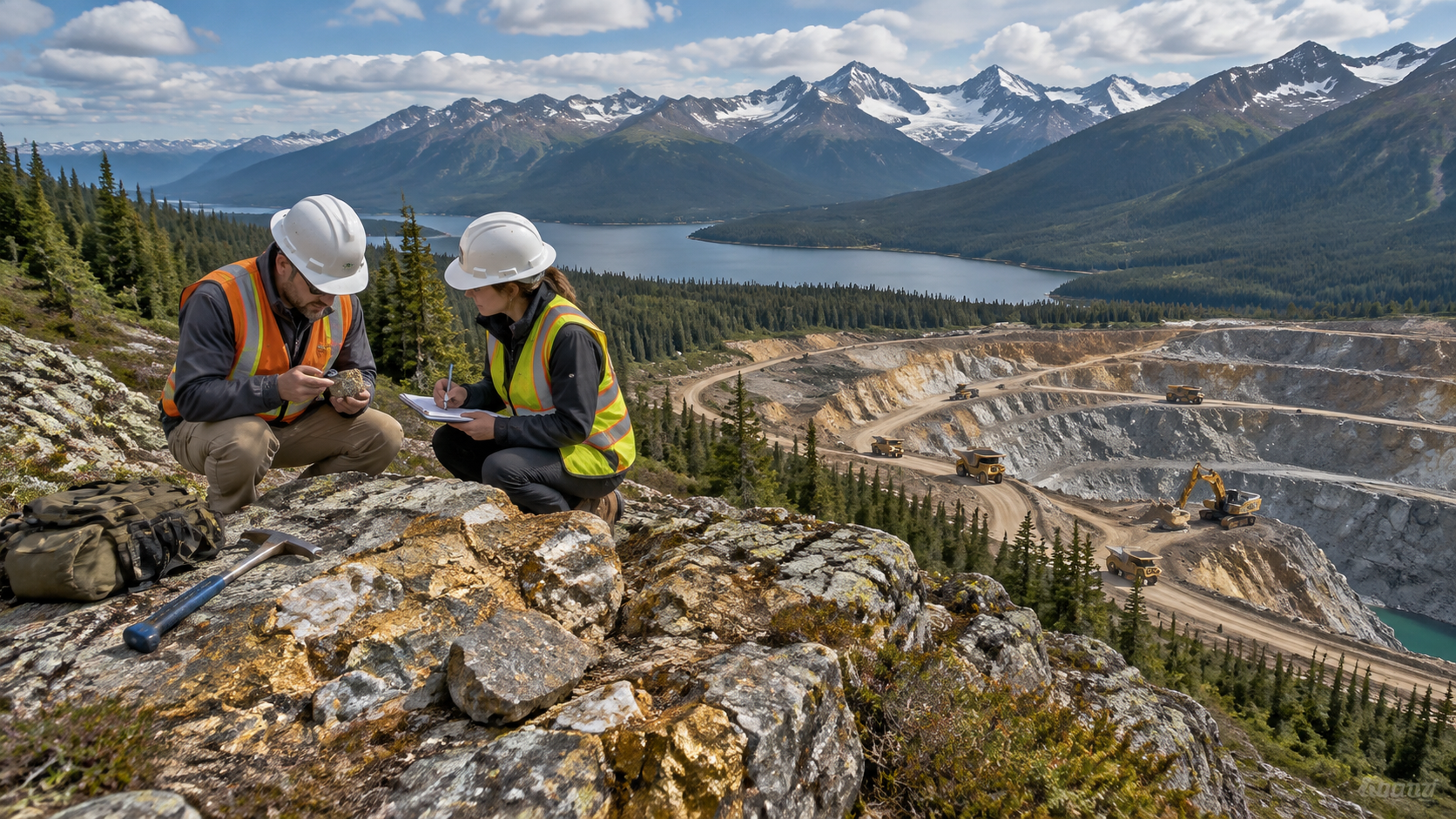
Before deciding where to dig or drill, geologists build a picture of the ground. Geological mapping records rock types, structures and visible signs of mineralisation. Previous records and surveys can add clues.
Think of it as investigating a leaking roof. The wet patch identifies a problem, but the source may be somewhere else. You need to understand the structure before choosing where to open it up.
Similarly, an interesting surface exposure may not reveal the direction or depth of a deposit. Mapping helps the team develop an explanation and decide where further investigation could be useful.
The result is a target to test, not a confirmed mine. Some targets become more interesting as evidence grows. Others lose their appeal.
For a reader weighing a mining opportunity, the useful question is: What evidence supports the next step?
3. Sampling tests whether the first impression holds up
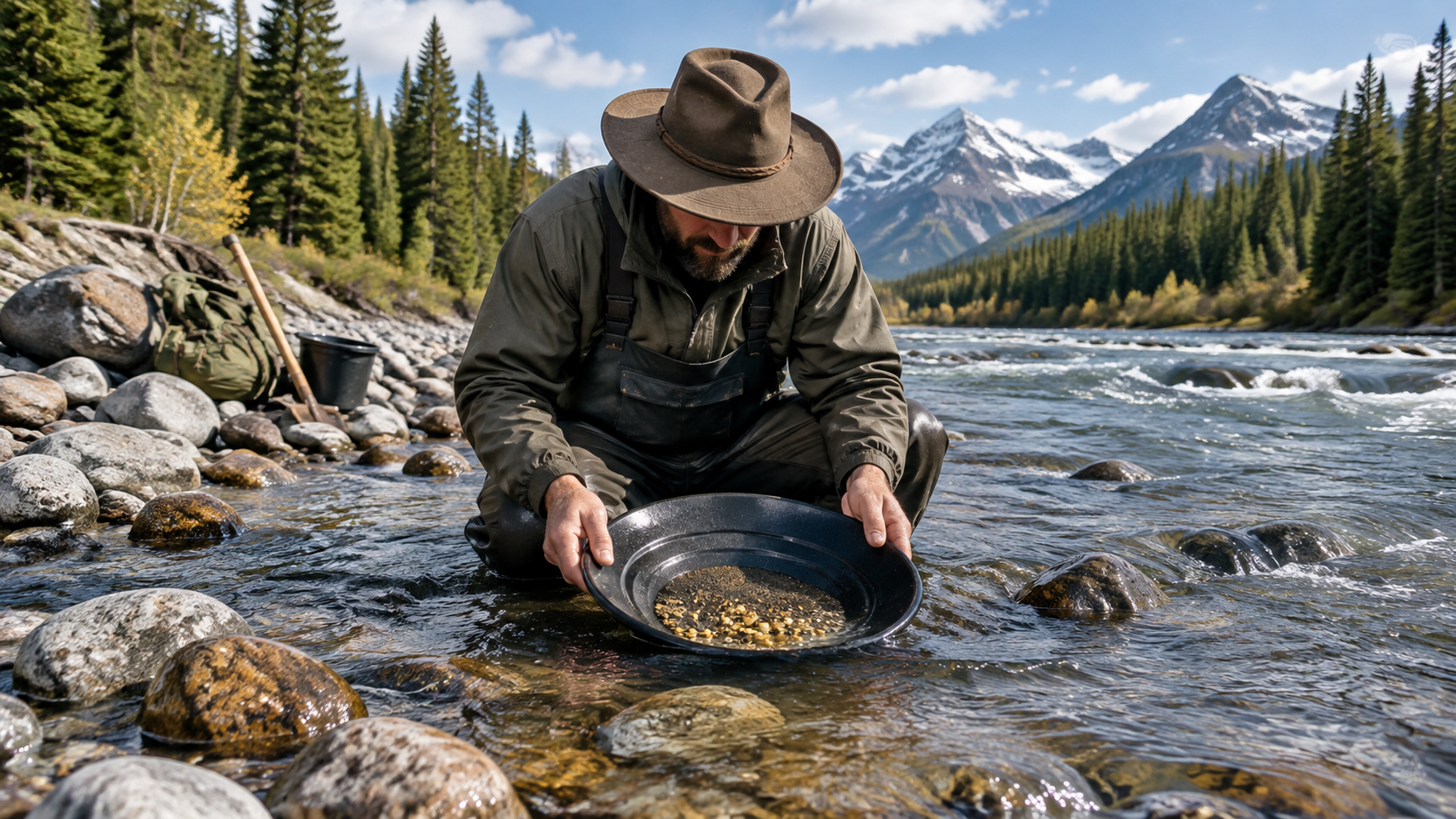
Suppose a small miner collects the richest-looking stones from a hillside. A laboratory might find gold in them. But those carefully chosen stones do not necessarily represent the whole hillside.
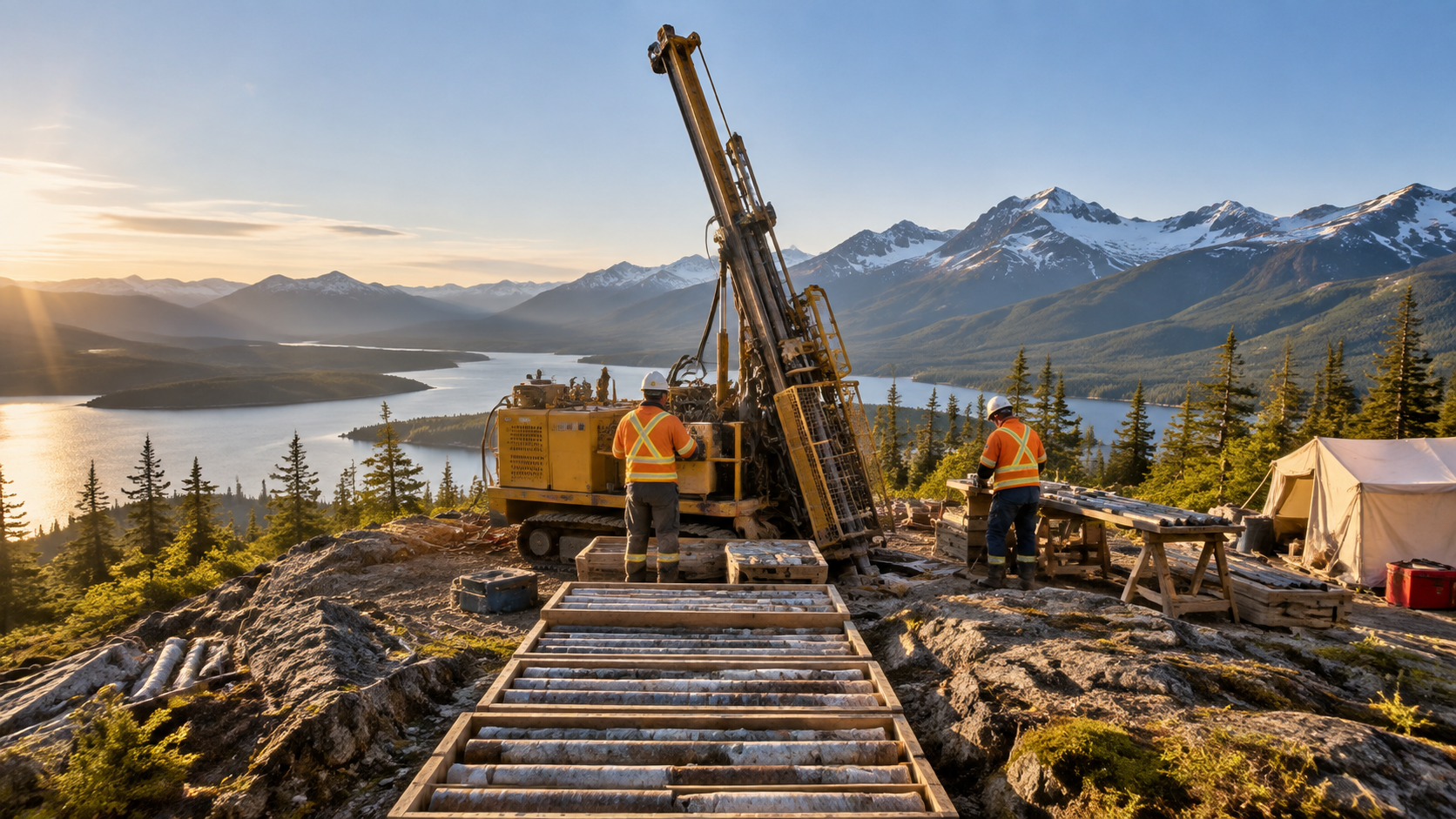
Sampling aims to make the evidence more representative. Depending on the site and investigation stage, teams may collect soil, rock, trench or drill samples. Drilling can provide information from below the surface, where direct observation is limited.
An assay is a laboratory measurement of a sample's mineral or metal content. It answers a narrow question: what is in this sample? It does not automatically answer what is throughout the deposit.
Good sampling therefore depends on location, spacing, handling and checks for measurement errors or contamination. Results must be interpreted together, including disappointing ones.
One rich sample surrounded by weak results tells a different story from consistent results across a wider area. Even then, the ground between samples remains partly inferred.
Why this matters: More measurements can reduce uncertainty. They do not make every unsampled area known.
4. Estimates describe potential; testing explores practicality
Once enough suitable information exists, specialists can estimate a deposit's shape, volume, density and grade. These estimates help describe how much mineralised material might be present and how confident that interpretation is.
A mineral resource is not simply another name for gold that can be profitably mined. Under recognised reporting frameworks, resources require supporting geological evidence and reasonable prospects for eventual economic extraction. A mineral reserve represents the economically mineable portion after more detailed assessment of technical and other relevant factors.
Neither term should be treated as a promise of future profit.
Processing tests address another important question: can the gold be separated effectively? Recovery means the proportion of contained gold a process can extract. Gold measured in the ground is not the same as gold ultimately recovered and sold.
For a young saver reading a project update, the practical distinction is simple: an estimate describes potential; further studies investigate how much of that potential could become an operation.
5. The next decision is whether to advance, pause or stop
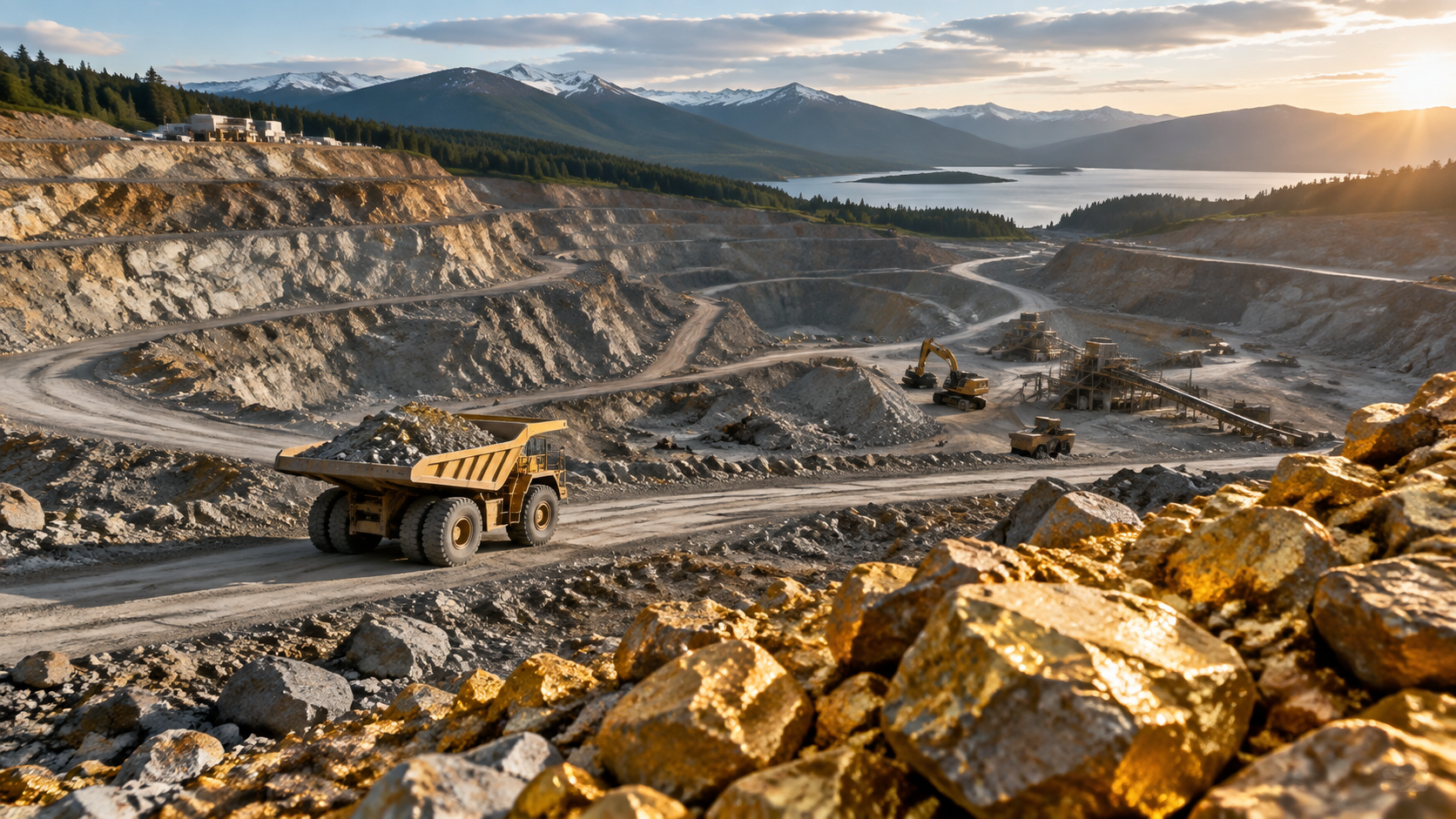
A deposit can contain gold and still be unsuitable for profitable mining. Depth, difficult ground, water, power, access, permissions, environmental obligations and community considerations can all affect development. So can equipment, labour, fuel and processing costs.
Gold prices and financing conditions also influence the economics. Exploration cannot settle all these questions by itself.
That is why stopping can be a useful outcome. Evidence that rules out a weak target can prevent a larger commitment to an unsuitable site. Progress means better decisions, not simply more drilling.
At Teqwah Capital, we put capital to work across gold mining, physical gold trade and productive machinery, with selected real estate considered when it fits our mandate. Our participants hold TGC as proportional participation in our unified pool; they do not choose individual exploration targets or projects.
The opportunity we are building rests on productive work. Understanding exploration helps you recognise why a geological discovery and an operating result are different milestones. Value must be created through execution, not assumed from promising ground.
Frequently asked questions
Does finding gold mean a mine will be profitable?
No. Quantity, grade, recovery, costs and development conditions must be assessed together. A discovery is evidence to investigate, not proof of a viable business.
What is the difference between exploration and mining?
Exploration investigates a deposit and reduces uncertainty. Mining extracts material, while processing separates valuable minerals. An exploration target may never reach production.
Can exploration remove all investment risk?
No. Better geological knowledge leaves operating, financial and other uncertainties. At Teqwah, our recorded operating performance can be positive or negative, and TGC value can rise or fall.
Keep asking what has been measured, what is estimated and what still needs testing. When you are ready to understand our participation model, explore Teqwah →.
Investing involves risk; values can fall. This article is education, not financial advice.
Teqwah view
At Teqwah, we connect participation through TGC with a unified pool spanning gold mining, physical gold trade, productive machinery and selected real estate. We want you to understand the work behind the opportunity: promising geology is not the same as recorded operating performance, and our outcomes can be positive or negative.
Sources
Investing involves risk. TGC value can fall. This is not investment advice.
Comments
No comments yet — be the first.