Barrick wins 15 more years at North Mara as Tanzania partnership deepens
Tanzania has renewed North Mara’s special mining licences for 15 years, extending the operating horizon of a gold mine Barrick has controlled since 2019.

Key takeaways
- Tanzania renewed North Mara’s special mining licences for 15 years.
- Barrick says its Tanzanian business has contributed about $5.3 billion to the economy since 2019, including $1.2 billion in 2025.
- Tanzanian nationals account for 96% of Barrick’s roughly 3,000 employees in the country.
- More than 90% of procurement comes from Tanzania-registered companies, according to Barrick.
- North Mara combines underground and open-pit mining, with processing capacity averaging 8,000 tonnes of ore daily.
Tanzanian nationals make up 96% of Barrick Mining’s roughly 3,000 employees in the country. Now, a licence decision gives a major part of that business a longer future: Tanzania’s government has renewed the special mining licences for the North Mara gold mine for 15 years, according to Mining Technology. The renewal allows Barrick to continue operating and investing at the site in the Tarime district of the Mara region.
The decision is a milestone for a mine that combines surface and underground operations, and for the partnership through which Barrick runs its Tanzanian assets. Barrick took control of North Mara in 2019. That same year, the company and Tanzania’s government formed Twiga Minerals to jointly manage North Mara and the Bulyanhulu mine. The licence extension gives North Mara a further 15-year operating horizon within that relationship.
A mining decision with a wider economic footprint
Barrick puts its contribution to Tanzania’s economy since 2019 at about $5.3 billion. That total covers taxes, royalties—payments linked to mining rights—salaries, dividends and purchases from local businesses. The company says those activities contributed $1.2 billion in 2025 alone. These are figures for Barrick’s business in Tanzania, rather than a separate accounting of North Mara’s contribution.
Employment is another part of that footprint. Alongside the high share of Tanzanian nationals on its payroll, Barrick says 47% of its workforce comes from communities surrounding its mines. The company reports that local hiring and economic contributions to nearby communities have increased since it assumed control of North Mara. The workforce figures describe its Tanzanian operations, not just the mine receiving the licence renewal.
The supply chain also reaches well beyond the mine itself. Barrick says more than 90% of its procurement, or purchases of goods and services, comes from companies registered in Tanzania. Most of those suppliers are indigenous businesses, according to the company. Taken together, the employment and purchasing figures show the local commercial ties that sit alongside the government’s decision to extend North Mara’s licences.
A longer runway for an established mine
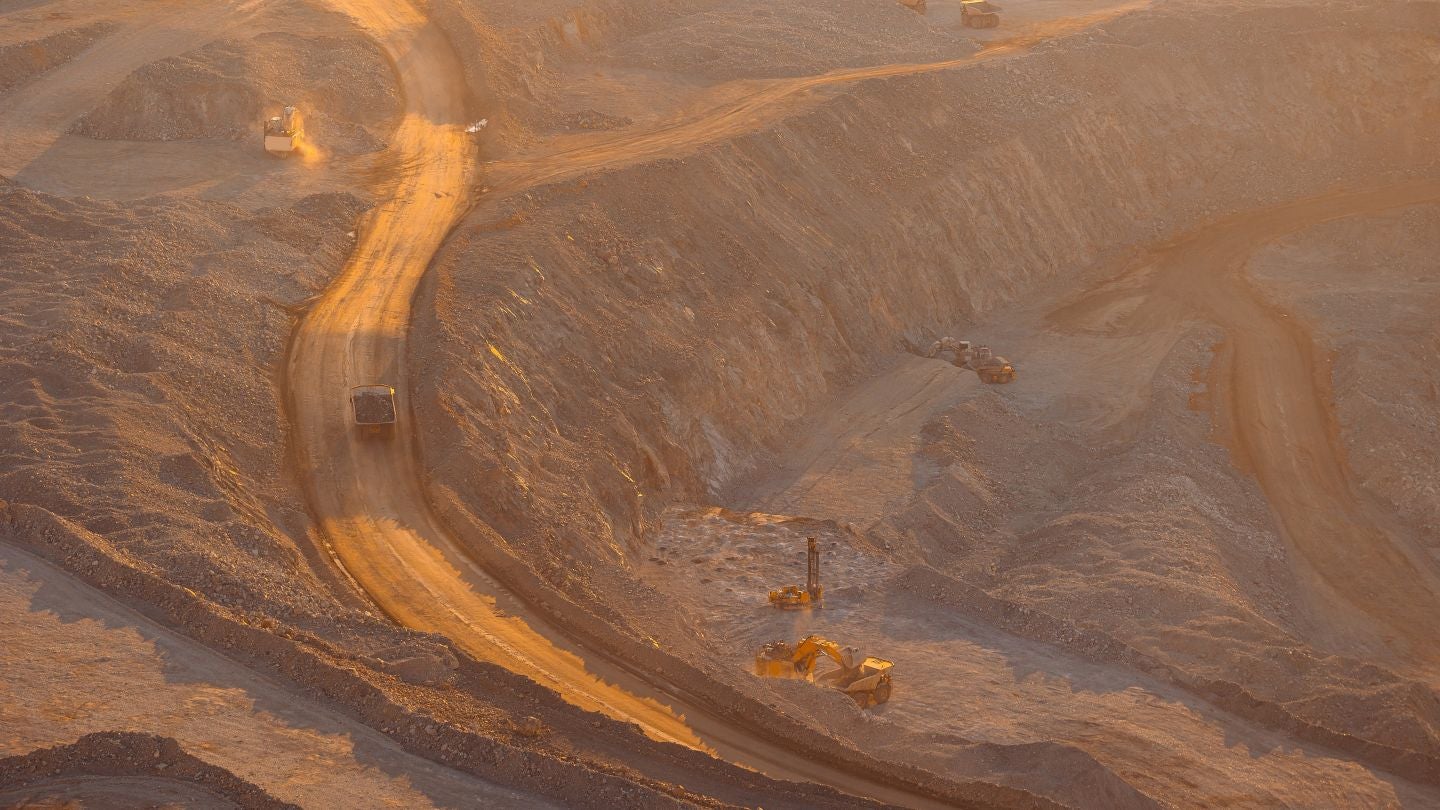
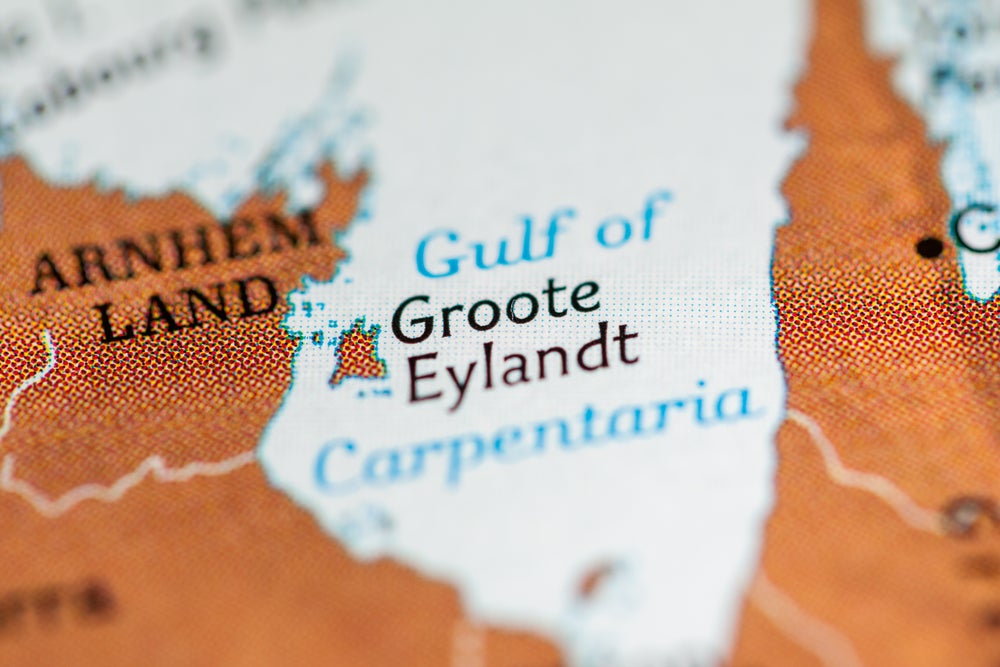
North Mara began commercial production in 2002. It lies about 100 kilometres east of Lake Victoria and roughly 20 kilometres south of the Kenyan border. Its ore comes from two main deposits: Gokona, which is worked underground, and Nyabirama, an open pit mined from the surface. The mine’s processing plant can handle an average of 8,000 tonnes of ore a day.
Seb Bock, chief executive of Barrick’s Rest of World business, described the renewal as an important step for both North Mara and the company’s relationship with Tanzania. He said Barrick had worked with the government and neighbouring communities since 2019 to strengthen that relationship and broaden opportunities for Tanzanians.
Bock said the renewal reflected Barrick’s commitment to building deep, trusted partnerships with stakeholders.
The next chapter centres on continued operations and investment at North Mara under the renewed licences. With the 15-year extension secured, the point to watch is how that longer operating horizon carries through to the mine and the local employment and supplier relationships Barrick has highlighted.
Sources
Investing involves risk. TGC value can fall. This is not investment advice.
Comments
No comments yet — be the first.