Greenland clears Tanbreez mine plans to 2050, but construction still needs permits
Critical Metals has won approval to develop and close its Tanbreez mine, with further operating permits required before building can begin.
Key takeaways
- Greenland approved Tanbreez’s mining and closure plans through September 2050, covering 19 critical elements.
- The development plan includes a mine, processing facilities, a port and supporting infrastructure.
- Approved elements include rare earths used in permanent magnets for electric vehicles, wind turbines and electronics.
- Further operating permits are required before construction can begin.
- Critical Metals approved a $30 million development programme in March 2026.
Greenland has approved plans covering the extraction of 19 critical elements at Tanbreez through September 2050, but Critical Metals still cannot start construction. According to Mining Technology, the government has formally cleared the project’s mining and closure plans, moving the southern Greenland deposit closer to development while leaving another set of operating permits to secure.
The decision gives Critical Metals a framework for building, running and eventually shutting down the mine. It builds on the exploitation licence granted in 2020, rather than marking the project’s first approval. The latest permissions cover both the planned operation and the work needed after mining ends, linking development of the deposit to requirements for decommissioning and restoring the site.
A mine, processing facilities and a port
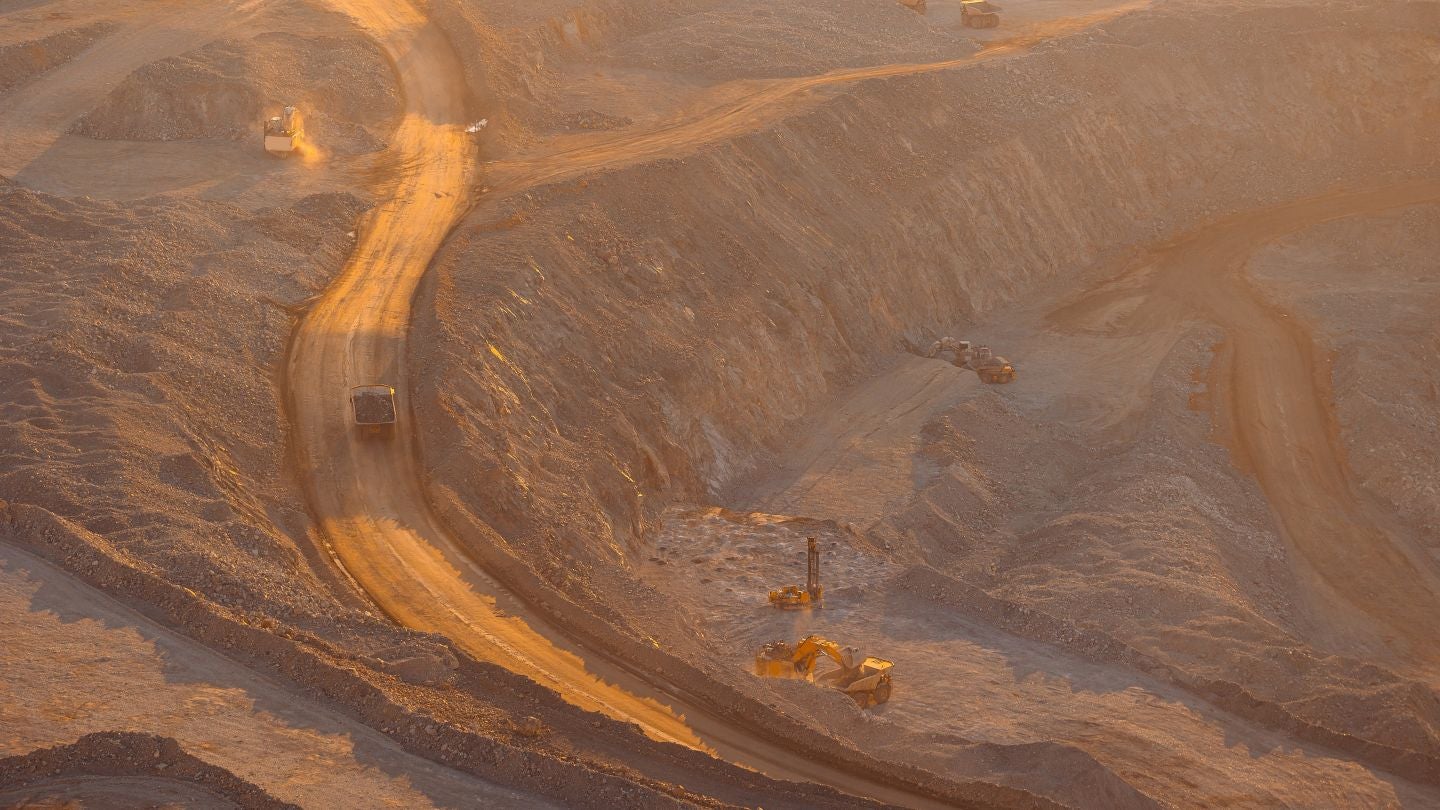
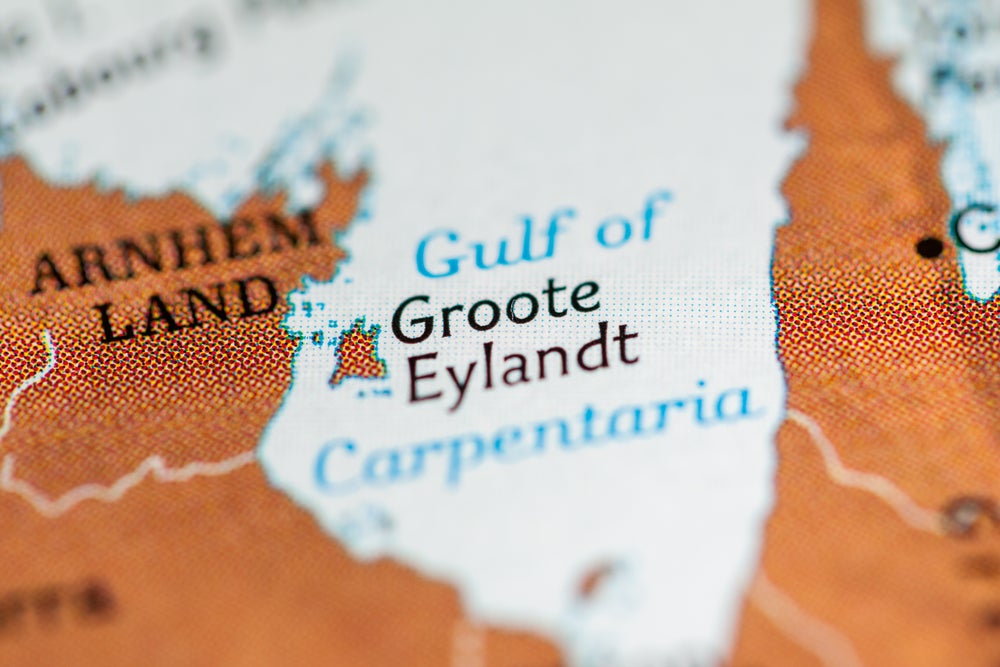
Critical Metals will develop the project through its subsidiary, Tanbreez Mining Greenland. The approved mining plan describes how the company will build and operate the mine at Killavaat Alannguat in south-west Greenland. Its scope goes beyond extraction: it also includes processing facilities, a port and supporting infrastructure in the area between Narsaq and Qaqortoq. Those facilities form part of the development covered by the government’s decision.
The accompanying closure plan addresses what happens when the mine’s operating life ends. It sets out procedures for taking facilities out of service and rehabilitating the site to meet environmental and regulatory standards. The approvals were granted under sections 77 and 80 of the Greenland Parliament Act on Mineral Activities and Exclusive Licence No. 2020-54, Mining Technology reported.
Critical Metals chairman and chief executive Tony Sage described the decision as a defining step for both Tanbreez and the company. He said it established a clear framework through 2050 for responsible development alongside Greenland’s government and southern communities. Sage also thanked the government and Mineral Resources Authority for their review, while identifying the next task: securing the specific operating permissions needed to reach construction.
Sage said the approvals provide a clear framework through 2050 for developing Tanbreez in partnership with Greenland’s government and local communities.
Magnet materials among the approved elements
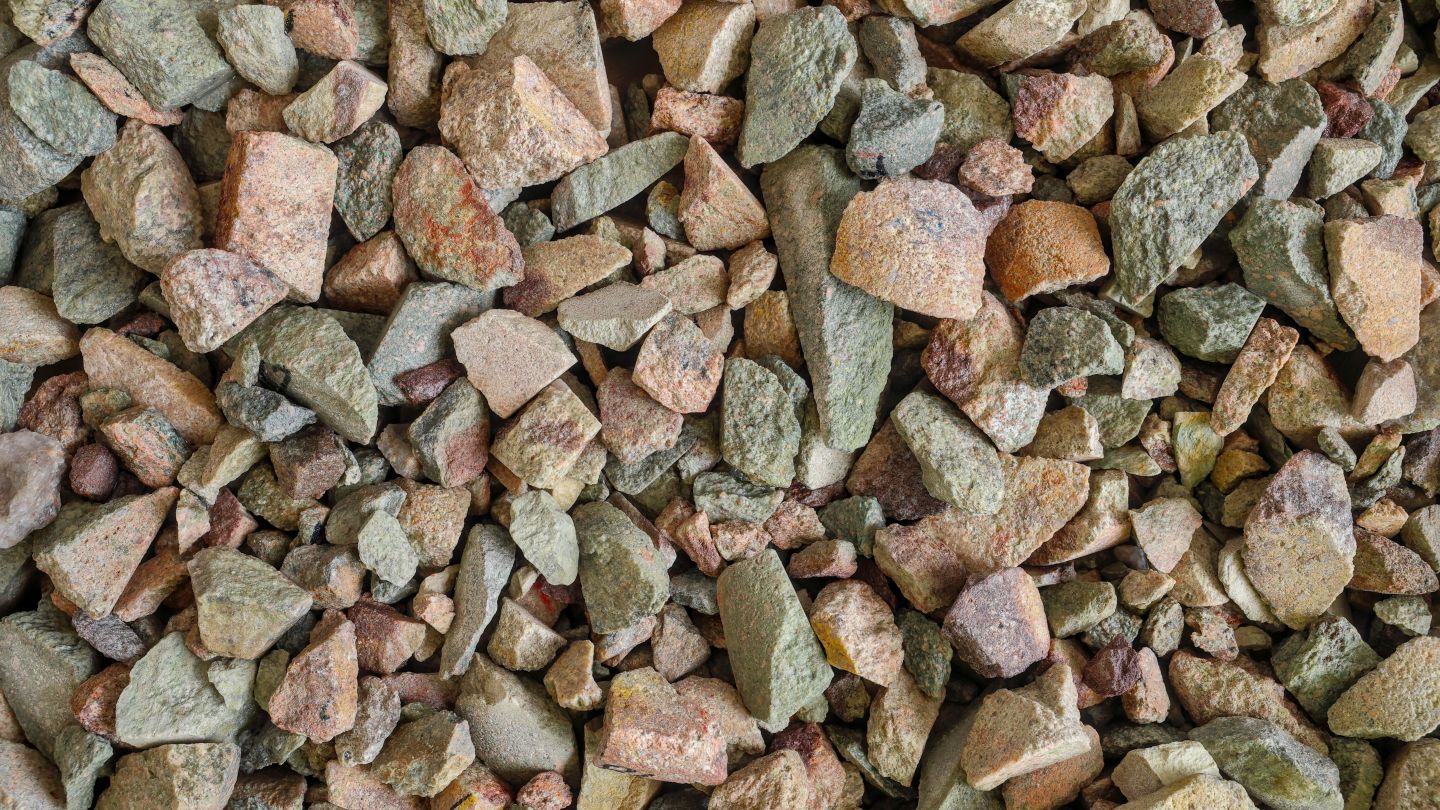
The 19 elements covered by the permissions include terbium, dysprosium and yttrium, classified as heavy rare earths, a group of metals used in advanced technologies. Neodymium and praseodymium are also included. These are among the materials used to make permanent magnets for electric vehicles, wind turbines and electronic devices. The approved list also contains zirconium, tantalum, hafnium and niobium, which official materials identify as important to a range of advanced industries.
Critical Metals approved a $30 million programme in March 2026 to speed up Tanbreez’s development. The newly approved plans move that effort forward, but do not remove the remaining conditions before construction. The company must obtain further permits under sections 120 and 121 of Greenland’s Mineral Activities Act. These will address environmental controls, marine transport, health and safety, and mineral exports and sales. Those operating permissions are the next step to watch.
Sources
Comments
No comments yet — be the first.