Drying Cane Raises the Stakes in Uganda’s CN Sugar Licence Dispute
Namayingo farmers want a stalled sugar factory cleared to operate, while a regulatory review tests competing claims over land, cane supplies and licensing rules.

Key takeaways
- Namayingo farmers say CN Sugar’s roughly three-year licensing dispute has left them with drying cane and costly alternative markets.
- The factory’s licence was withdrawn and construction halted after complaints over licensing conditions and proximity to other mills.
- CN Sugar reports more than 17,000 acres of land and about 8,000 acres under cane, while a representative of rival millers disputes its evidence of compliance.
- Existing millers warn that additional capacity could deepen competition for shrinking regional cane supplies.
- The National Sugar Council will submit a report to the ministry to inform a decision on CN Sugar’s licence.
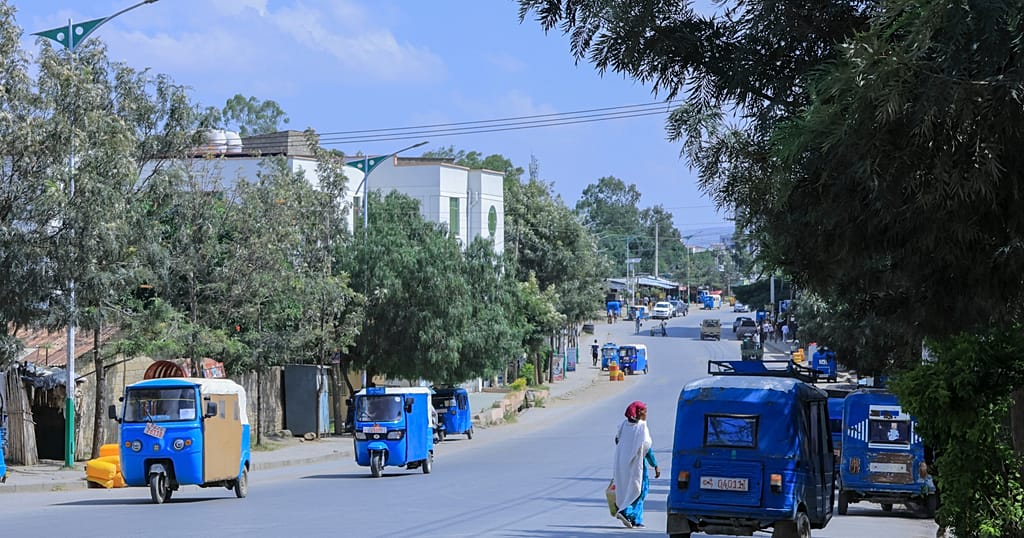
One sugarcane farmer in Uganda’s Namayingo District said a trip to sell his crop to another factory left him with just Shs20,000 in profit after expenses and deductions. Others say their cane is drying while the mill they had expected to supply stands idle. Their accounts, reported by Nile Post Uganda (direct), show the cost of a licensing dispute around CN Sugar that has dragged on for about three years.
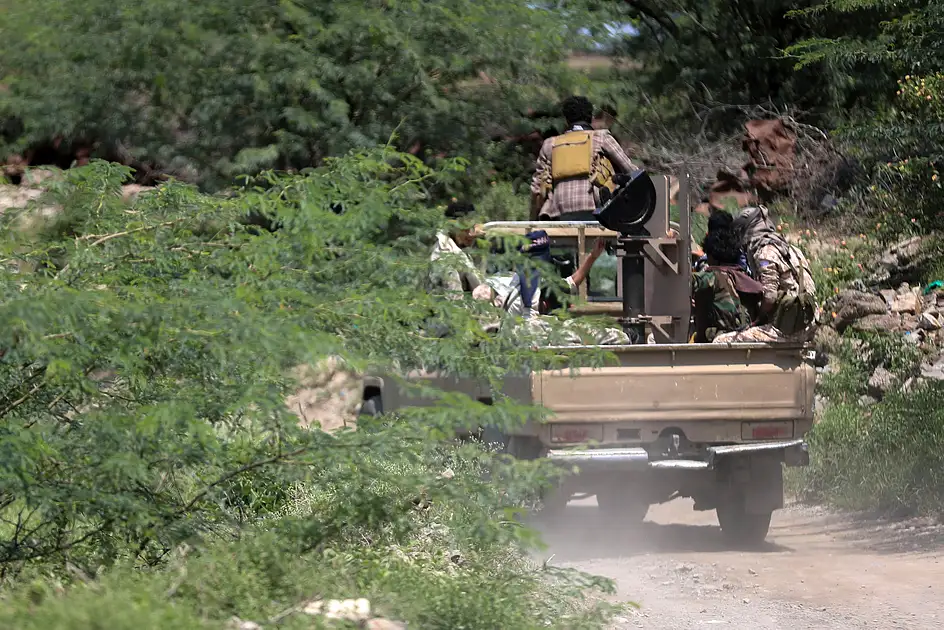
Farmers are asking the Ministry of Trade, Industry and Cooperatives to settle the dispute urgently. CN Sugar received a licence to build a factory in Kifuyo Village, but that licence was subsequently withdrawn and construction stopped. Machinery now sits unused, some equipment is showing rust, and grass has spread across parts of the site. For growers who planted cane in anticipation of a nearby buyer, selling to more distant factories means transport bills that can wipe out most of their returns.
A market for farmers, a supply concern for millers
The licence was reportedly revoked after sugar companies in Mayuge and Bugiri complained that CN Sugar had failed to meet licensing conditions and was too close to existing factories. The company’s owners are seeking reinstatement. Farmers say assessment teams have repeatedly visited without delivering much practical progress, despite earlier directives, including one they attributed to President Museveni.
Namayingo District chairperson Ronald Sanya has raised the prospect of restricting sugarcane cultivation if the impasse continues. He told the district council that failure to clear CN Sugar could prompt the district to write to the minister and declare an immediate halt to growing the crop.
Sanya warned that the district could move to stop sugarcane growing if CN Sugar is not cleared.
Representatives of the companies challenging the licence say they do not oppose CN Sugar producing sugar, but want legal requirements enforced. Naboth Kusiima said an additional factory in an area already served by other mills could leave too little cane to go around. He said plantations in the region were shrinking and warned that poorly planned growth in milling capacity could put existing factories out of business.
Land claims face a fresh check
A National Sugar Council team led by Robert Atukunda has returned to examine the issues behind the licence withdrawal. It visited Namayingo, Busia and Mayuge districts to inspect land linked to CN Sugar and assess whether the company has sufficient resources to sustain production. The team met CN Sugar’s owners and other sugar companies, including Bugiri Sugar, before meeting farmers and inspecting holdings, including land in Musubi in Mayuge District.
CN Sugar’s administration says it has more than 17,000 acres of land, with about 8,000 acres planted with cane. Kusiima disputes whether the company has demonstrated compliance. He said complaints were lodged in 2022 and argued that CN Sugar had provided ownership evidence for only about 170 acres. According to Kusiima, the rules when construction began required 25 kilometres between factories and access to at least 1,200 acres. He said current law requires a new manufacturer to have 50% of its own sugarcane estate.
Atukunda told farmers the council would prepare a comprehensive report for the ministry to guide its licensing decision. That review must examine the competing land and operational claims before recommendations are made. For growers facing drying crops and costly journeys to alternative buyers, the next issue to watch is whether the report leads to a decision on the factory they planted to supply.
Sources
Comments
No comments yet — be the first.