Violence is keeping farmers from fields, Burundi’s president warns African forum
Evariste Ndayishimiye puts insecurity at the centre of Africa’s development challenge as leaders in Egypt discuss resources and economic cooperation.
Key takeaways
- Ndayishimiye said persistent violence is disrupting farming, education and national development planning.
- The Burundian president described the humanitarian catastrophe in the Democratic Republic of Congo and Sudan as unprecedented.
- Egypt’s Sisi urged countries to develop their natural resources without harming other states.
- Egypt sees Ethiopia’s Grand Ethiopian Renaissance Dam as a threat to its share of Nile waters.
- The Alamein Africa Forum is set to meet every two years under an African Union mandate.
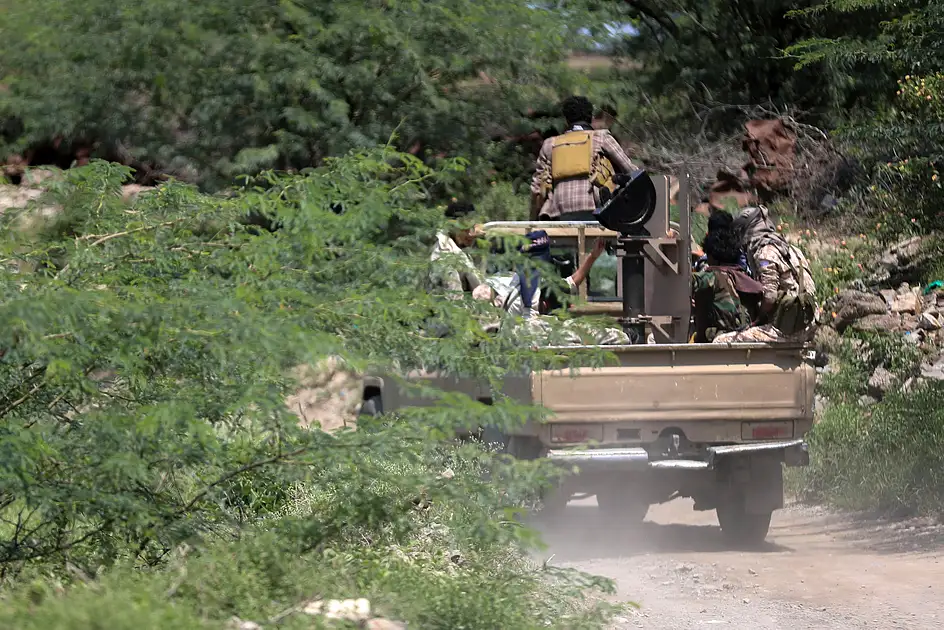
Farmers kept away from their fields and children unable to attend school: that was the picture Burundi’s President Evariste Ndayishimiye presented to African leaders meeting in Egypt. His warning put the everyday cost of violence at the centre of a gathering focused on the continent’s future. Persistent insecurity, he said, is preventing countries from carrying out the basic work on which development depends, according to Africanews.
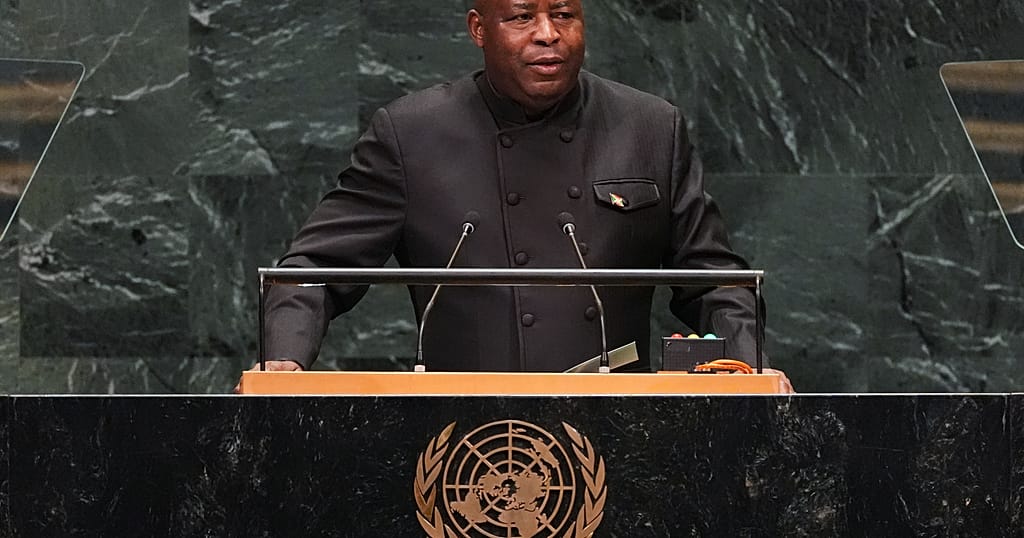
Ndayishimiye spoke at the Alamein Africa Forum in El Alamein, where heads of state and business leaders from across Africa gathered for an African Union meeting. His message linked three parts of the development challenge: getting farmers back to work, keeping children in education and allowing institutions to plan for their countries. Violence, in his account, is obstructing all three rather than presenting a problem separate from the economic agenda.
“We deplore that violence persists on our continent,” Ndayishimiye said.
Insecurity cuts across the development agenda
The Burundian president singled out the Democratic Republic of Congo and Sudan, describing the humanitarian catastrophe there as unprecedented. His remarks placed the human consequences of conflict alongside its effects on farming and public institutions. He offered a stark account of what insecurity means in daily life: people cannot work their land or attend classes, while institutions cannot make plans for national development.
That warning formed a direct backdrop to the forum’s broad economic remit. Agriculture, infrastructure and mining are among the areas it is intended to address, alongside trade, healthcare, technology and renewable energy. Ndayishimiye’s intervention focused on the conditions under which such development can take place. Rather than discussing an individual industry in isolation, he described violence as an obstacle stretching from households and fields to the institutions responsible for a country’s direction.
Egypt links resource development to responsibility
Egyptian President Abdel Fattah al-Sisi addressed another challenge facing the continent: how countries can pursue development and use their natural resources without harming one another. He urged African states to respect each other’s rights. Every country has a right to develop and benefit from its resources, he said, but exercising that right also carries a responsibility towards other states.
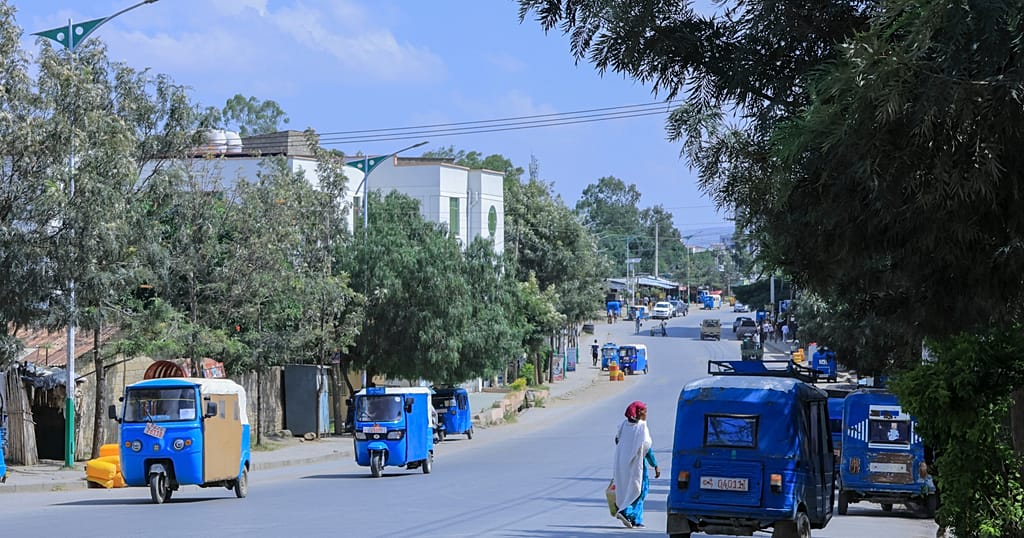
Those comments came against the background of Egypt’s long-running dispute with Ethiopia over the Grand Ethiopian Renaissance Dam. Cairo views the dam as a threat to its share of water from the Nile, according to Africanews. That dispute provides the context for Sisi’s call for responsible resource use. He also stressed that African countries’ shared interests outweigh their differences, putting cooperation alongside his appeal for mutual respect.
The two presidents’ remarks highlighted distinct challenges within the same development discussion: violence that disrupts work, schooling and planning, and disagreements over the use of natural resources. The next point to watch is the forum’s continuing agenda. It is set to become a biennial gathering—held every two years—under an African Union mandate, with its focus spanning infrastructure, trade, agriculture, healthcare, mining, technology and renewable energy.
Sources
Comments
No comments yet — be the first.