Ethiopia Puts Crypto Miners First in Line for Power Cuts as Dams Run Low
Ethiopian Electric Power plans to protect household supply by cutting electricity to miners, putting a major source of foreign currency at risk.
Key takeaways
- EEP plans to cut electricity to data miners before interrupting household supply as dam inflows fall 20%.
- The utility has reduced its generation target by 10% after producing 35,671 GWh in the year ended in July.
- Miners contributed 41% of annual revenue, according to unaudited figures, and pay higher tariffs in foreign currency.
- EEP estimates drought will reduce revenue by about 3% and foreign-exchange earnings by nearly 40%.
- Solar and wind projects are part of its diversification plans, with a supply review expected by the end of September.
Ethiopia’s data miners supplied 41% of the state power company’s annual revenue, but they will be first in line for electricity cuts as drought squeezes generation. Ethiopian Electric Power (EEP) plans to reduce their supply before cutting households off, according to Addis Fortune. The choice protects homes while putting one of the utility’s most valuable customer groups—and a large source of foreign currency—under pressure.
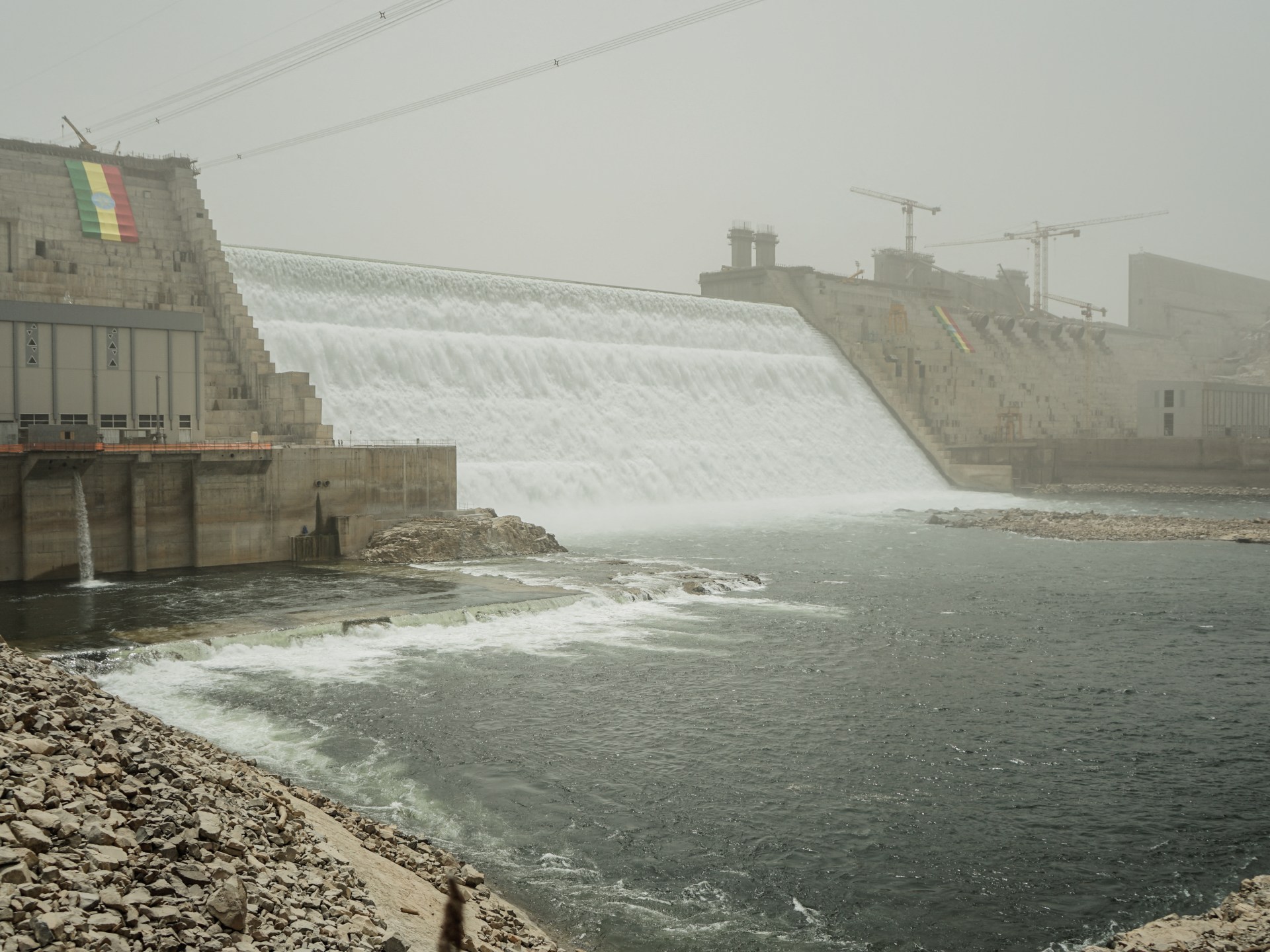
EEP executives said water flowing into its 21 dams had fallen by 20%, blaming El Niño, a recurring natural weather pattern. The shortfall is especially visible at the Grand Ethiopian Renaissance Dam and Gilgel Gibe III. After producing 35,671 gigawatt-hours of electricity in the year ended in July, the company has lowered its generation target by 10%. A gigawatt-hour is a measure of the amount of electricity generated or consumed.
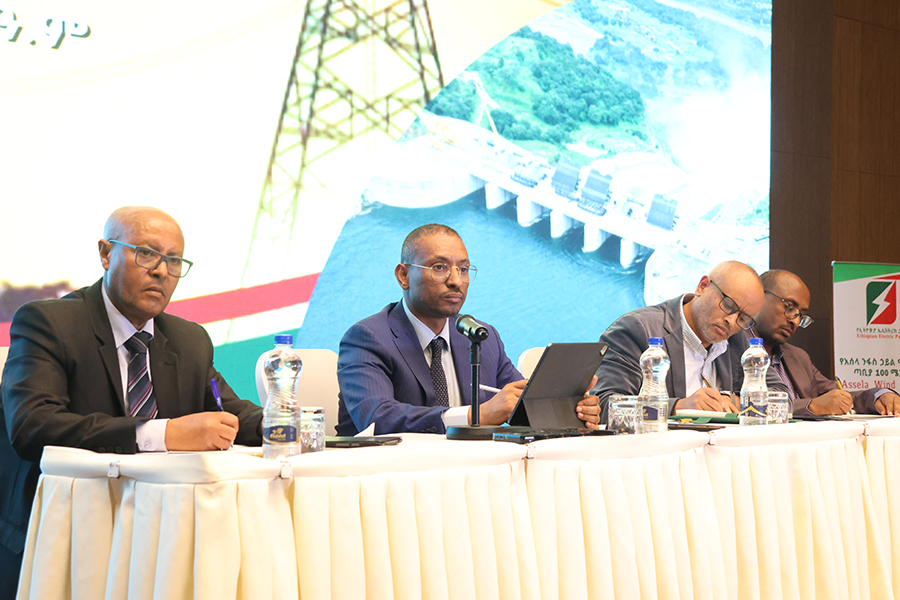
Chief Executive Ashebir Balcha said EEP recognised the weak rainfall early and adjusted its planning for the 2026/27 fiscal year. Domestic consumption takes almost half the company’s output, making protection of that supply a central concern. Deputy Chief Executive Ephrem Weldekidan said the company had been monitoring conditions and planned to limit the impact by reducing electricity supplied to miners.
A smaller power bill, a bigger revenue problem
Nearly 30 data-mining companies operate in Ethiopia. EEP executives put their electricity use at 23% of the company’s supply, although Ashebir described their share as close to a third. Either figure makes them a substantial source of demand. Their financial importance is greater still: miners pay higher tariffs than domestic users and settle their bills in foreign currency. EEP’s unaudited accounts show revenue of 124.2 billion birr in the latest financial year, with 41% coming from those businesses.
EEP reported foreign-currency earnings of $475.7 million, up 27% from a year earlier. It now estimates that the drought will reduce revenue by about 3% and foreign-exchange earnings by nearly 40%. That would follow a sharp improvement in its finances. The company’s unaudited figures show a return to profit, at 39.5 billion birr, alongside a 23% increase in generation. Curtailing miners therefore creates a difficult trade-off: preserve local electricity supply while sacrificing customers that contribute heavily to income.
The weather exposes a wider challenge
Dawit Habtu, an electrical engineer and energy-planning researcher at Addis Abeba University, said reliance on hydropower was the central weakness. He warned that present conditions raised concerns about the dry season. Electricity demand is also expected to grow as access reaches areas outside the grid and electric vehicles become more common. His message was that EEP needs a broader energy mix and better long-term preparation.
Dawit Habtu’s warning: EEP must prepare for rising demand and expand generation to keep pace.
Dawit proposed electricity prices that fall when power is plentiful and rise when it is scarce, encouraging more efficient use. He also advocated a continental electricity market that would allow Ethiopia to import power during shortfalls and export surpluses. EEP already sells electricity to neighbours including Djibouti, Kenya and Sudan; about 93% of its production is used within Ethiopia, including by miners and industry.
Ashebir acknowledged the dependence on water and said diversification was under way. EEP plans to obtain solar power from the Gade One project, while advancing the Ayisha wind project and the Genale Dawa Six and Koysha hydropower projects. The next decision point is the review Ephrem said would take place by the end of September, when the company expects a clearer picture of El Niño’s impact and will revise its plans.
Sources
Comments
No comments yet — be the first.