Ethiopia’s next Nile dams test Egypt’s leverage over a 5,700 MW power plan
After failing to secure a binding deal on the GERD, Cairo is seeking influence over how Ethiopia’s next hydropower projects are built and operated.
Key takeaways
- Three proposed Blue Nile dams have a reported combined generating potential of about 5,700 MW, but plans and specifications could change.
- Egypt is seeking influence over reservoir management, drought safeguards and information sharing rather than trying to stop construction outright.
- The GERD opened in September 2025 without the binding agreement Cairo wanted.
- Downstream effects will depend on dam design, filling schedules, operating rules and any links to irrigation.
- Sudan could benefit from electricity and steadier river flows, but its war constrains its diplomatic role.
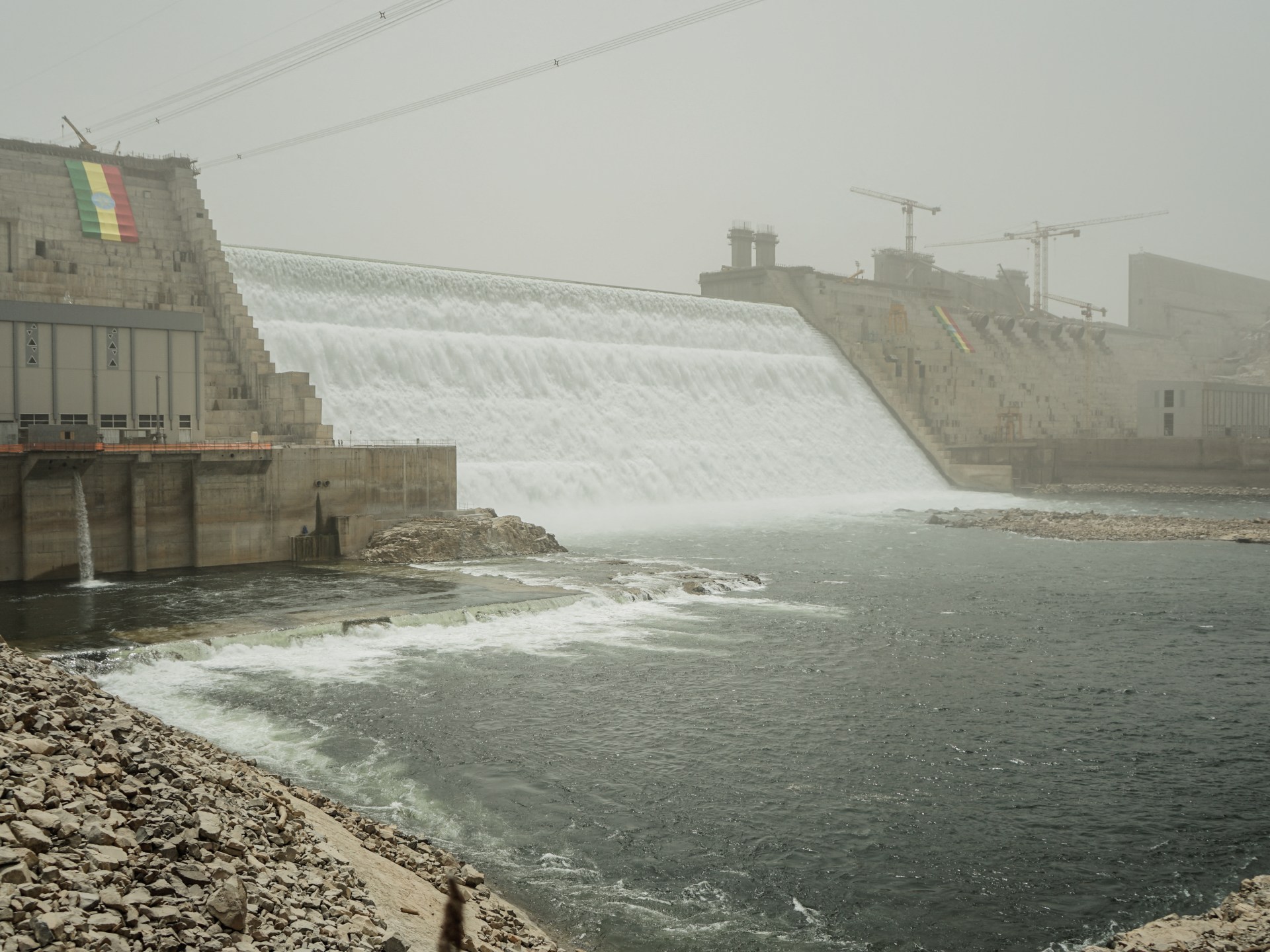
Years of Egyptian objections did not stop Ethiopia from opening its nearly $5 billion Grand Ethiopian Renaissance Dam. Now, three more proposed dams are putting Cairo’s influence to the test. According to Al Jazeera, Egypt is concentrating on diplomacy, international pressure and cooperation with Sudan to shape upstream water management, rather than trying to halt construction outright. The stakes stretch from Ethiopia’s electricity supply to Egypt’s main source of freshwater.
The proposed Blue Nile projects — Karadobi, Mandaya and Beko Abo — have a reported combined generating potential of about 5,700 megawatts, a measure of electrical power. Subsequent reporting cited Ethiopia’s Water and Energy Ministry as announcing plans in March. But all three remain at the planning stage, so their specifications and capacity could change. They are not entirely new proposals: a 2024 academic study drawing on Nile Basin Initiative-sponsored work listed all three and treated Karadobi and Beko Abo as alternatives in one possible three-dam configuration.
Electricity ambitions meet water concerns
For Ethiopia, more hydropower — electricity generated from moving water — supports growth and energy security in a country where millions have historically lacked reliable electricity. The GERD, inaugurated on September 9, 2025, already has an installed generating capacity of about 5,150 megawatts. Funded largely by Ethiopia itself, it became a major part of the country’s power system despite negotiations with Egypt and Sudan failing to deliver the binding agreement Cairo sought.
Egypt’s concern centres less on electricity production than on how upstream reservoirs store and release water, especially during drought. Cairo wants agreed rules for operations, water releases, drought management and information sharing. In September 2025, it took the issue back to the United Nations Security Council, arguing that Ethiopia’s inauguration and operation of the GERD breached international obligations. That was Egypt’s position, not a finding by the council.
The new projects do not yet establish that less water will reach Egypt. Their effects will depend on reservoir sizes, filling schedules and operating rules. Ezekiel Gebissa, an Ethiopian professor at Kettering University in the United States, told Al Jazeera that smaller dams could supply local electricity without substantially cutting downstream flows. Projects connected to large-scale irrigation could have greater consequences for Egypt and Sudan, he said.
Sudan is central, but constrained
Sudan sits between the two countries and has interests of its own. More predictable river flows and Ethiopian electricity could offer benefits, but Khartoum also needs information and safeguards around upstream developments. Sudanese governance expert Mekki Elmograbi told Al Jazeera that greater disclosure from Ethiopia was necessary to judge whether the projects would help or hurt Sudan. Its ongoing war, however, limits its ability to take a larger diplomatic role.
“Ethiopia must share more information with Sudan and Egypt; transparency is the first step toward cooperation,” Mekki Elmograbi told Al Jazeera.
Cairo can draw attention to the dispute and seek regional backing, but those tools do not give it control over Ethiopian decisions. Horn of Africa analyst Abdiwahab Sheikh told Al Jazeera that Egypt’s strongest options were diplomacy, alliances, international law and coordination with Sudan. Economic pressure offered less leverage, while military coercion carried substantial risks.
The next test is whether diplomacy produces practical arrangements before the projects advance. Sheikh pointed to information exchange, advance notification and operating rules that adjust to drought and downstream effects as the basis for cooperation. What Ethiopia ultimately chooses to build — and whether its neighbours gain a negotiated role in how the dams are managed — will matter more than the headline power figures.
Sources
Comments
No comments yet — be the first.