Ethiopia’s Cheap-Power Bitcoin Boom Hits a Reservoir Squeeze
Bitcoin miners are receiving just 23% of their contracted electricity as falling dam inflows force Ethiopia to put homes and factories first.
Key takeaways
- EEP has reduced bitcoin miners’ electricity supply to 23% of contracted volumes, despite contracts promising at least 98%.
- Miners consume roughly a third of Ethiopia’s electricity and generate about 35% of EEP’s revenue.
- El Niño reduced dam inflows by about 20% in a country that relies on hydropower for roughly 95% of its electricity.
- EEP cut its electricity-export revenue forecast by 40% to $279 million.
- An October reassessment could bring further restrictions if reservoir inflows do not recover.
Bitcoin miners became a prized customer for Ethiopia’s electricity producer, bringing in foreign currency and supplying roughly 35% of its revenue. Now they are receiving less than a quarter of their contracted power. Falling reservoir inflows have forced a choice between mining machines and other customers, with households and factories taking priority, according to Bitcoin.com News.
Ethiopian Electric Power (EEP) reduced miners’ supply in stages, from 75% of contracted volumes to 50% and then to 23%. The contracts promised at least 98%. Bitcoin.com News cited reporting by Bloomberg’s Fasika Tadesse, who attributed the figures to EEP chief executive Ashebir Balcha. El Niño reduced inflows into Ethiopia’s dams by about 20%, squeezing the water supply behind the country’s dominant source of electricity.
A valuable customer loses power
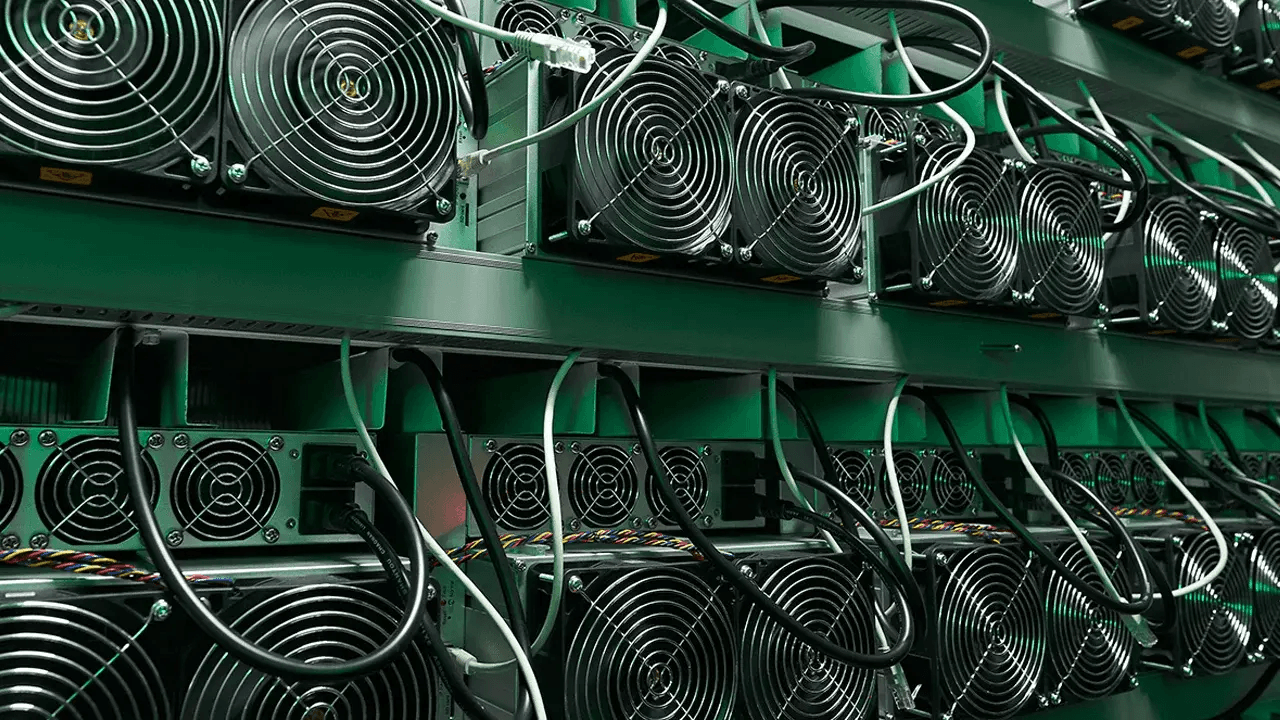
The cuts hit an industry that had quickly become central to EEP’s business. Ethiopia has agreements with 39 mining companies, of which 31 are operating. Miners consume roughly a third of the country’s electricity and, according to the Bloomberg reporting cited by Bitcoin.com News, account for about 35% of EEP’s revenue. They pay in foreign currency for power that had been available at around 3.2 US cents per kilowatt-hour, a measure of electricity use.
The appeal was straightforward: miners could run their power-hungry computers cheaply, while Ethiopia could earn hard currency from electricity it could not always sell elsewhere. One local accounting cited in the report put data miners’ payments at 50.4 billion birr last year, more than the national electricity distribution utility paid EEP. The business helped EEP record its first profitable year. Companies drawn to Ethiopia included Abu Dhabi’s Phoenix Group, Canaan, Bitfufu, Bitdeer, Dahab Miners and Sazmining.
The water behind the bargain
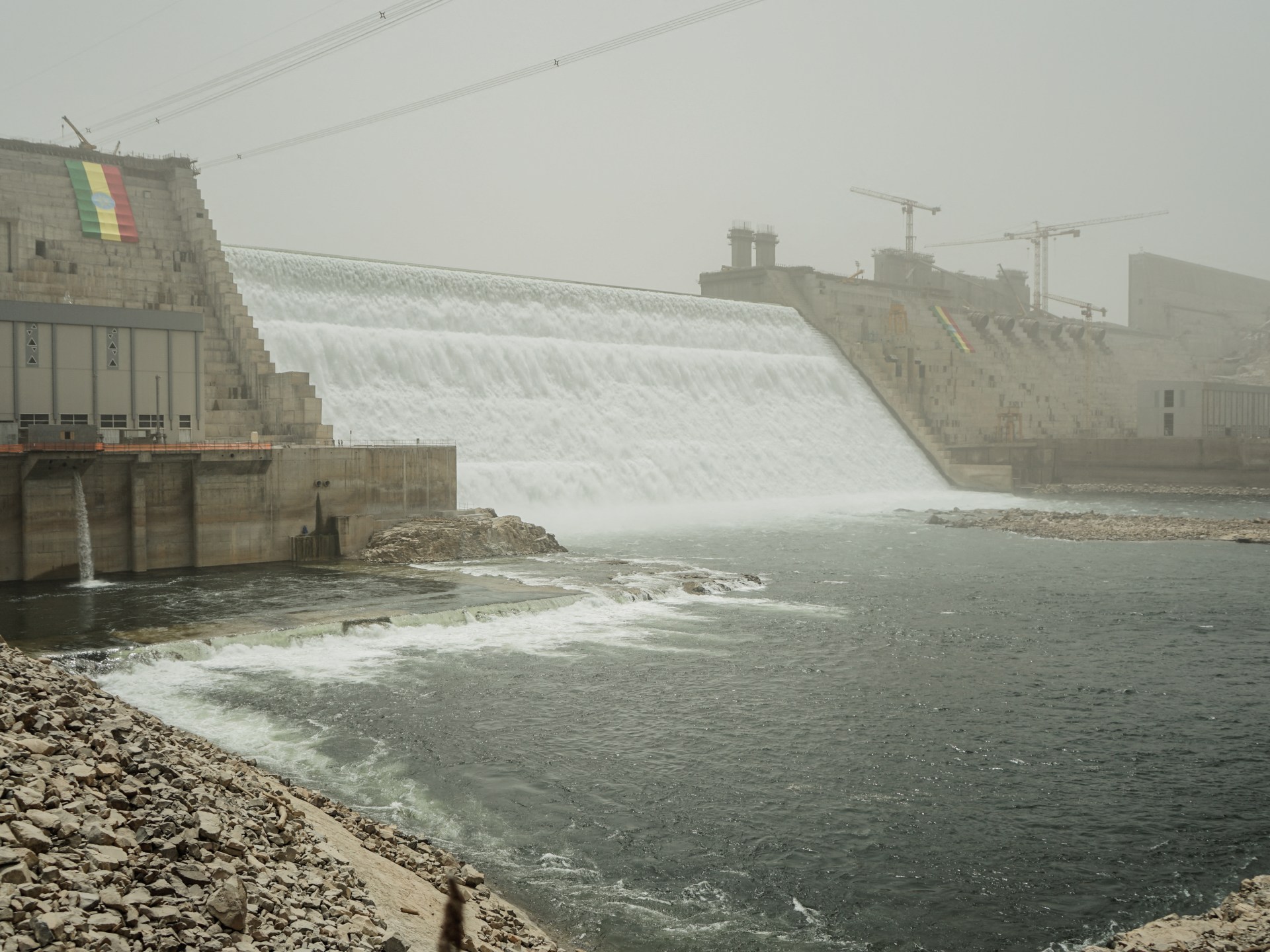
That arrangement depended heavily on reservoirs. Hydropower supplies roughly 95% of Ethiopia’s electricity, and inflows fell around 20% across its 21 dams, including the Grand Ethiopian Renaissance Dam. That dam generated 18.3 terawatt-hours last year, about 52% of national electricity output. EEP said falling reservoir levels had reduced output at some generating units by as much as 50 megawatts each. About half the population still lacks access to electricity, adding to the stakes of allocating scarce supply.
The strain also reaches beyond domestic customers. EEP has lowered its electricity-export revenue forecast by 40% to $279 million. Balcha said further restrictions could affect both miners and electricity exports to neighboring countries if water inflows fail to recover, according to the report.
Balcha warned that miners could face further electricity cuts if reservoir inflows do not improve, according to reporting cited by Bitcoin.com News.
For the global Bitcoin network, Ethiopia’s role is relatively small. A Hashrateindex.com heatmap cited in the report puts its share of hashrate—the computing power used to mine bitcoin—at about 2.4%. But for companies operating locally, the next checkpoint matters directly: EEP plans to reassess miners’ supply in October. Reservoir conditions will determine whether more of their machines can return to work or face still tighter limits.
Sources
Comments
No comments yet — be the first.