Gold Mountain targets wartime Brazilian tungsten mine in 12-month deal
An exclusive agreement gives Gold Mountain time to assess the Malhada do Angico site, while drilling permits and a regulatory decision remain pending.
Key takeaways
- Gold Mountain signed an exclusive 12-month agreement with Emprogeo Mining Business covering the Malhada do Angico mining application.
- The 857.53-hectare site borders the company’s Logradouro holdings in Brazil’s Seridó Tungsten Province.
- Three rock-chip samples from the adjacent holding exceeded 10,000 parts per million tungsten; samples from the mine area remain under analysis.
- Diamond drilling is planned, with permits pending, while historical tailings are being tested.
- The potential acquisition depends on satisfactory due diligence and regulatory processes.
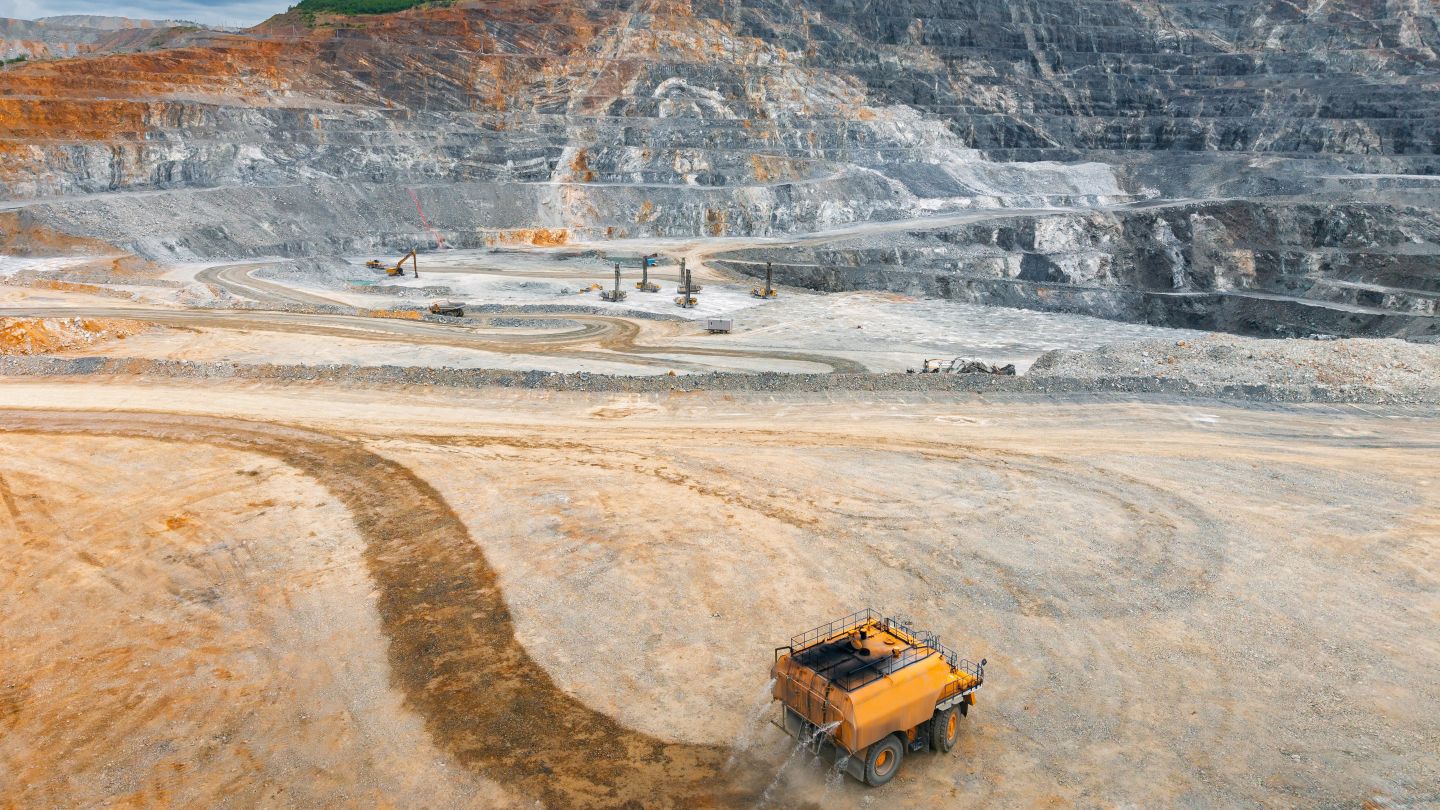
A Brazilian tungsten mine worked during the Second World War is at the centre of Gold Mountain’s latest exploration push. The company has secured an exclusive 12-month agreement to pursue the acquisition of the mining application covering Malhada do Angico in north-east Brazil, according to Mining Technology. The deal opens a period of investigation, rather than completing a purchase.
The agreement, signed with Emprogeo Mining Business (EMPG), covers mining application 848.365/2011 and a site spanning 857.53 hectares. It sits beside Gold Mountain’s existing Logradouro mineral-rights areas in the Seridó Tungsten Province. That location places the potential acquisition directly alongside ground where the company is already exploring, with initial sampling results available from its neighbouring holding.
A historic mine, with approvals still ahead
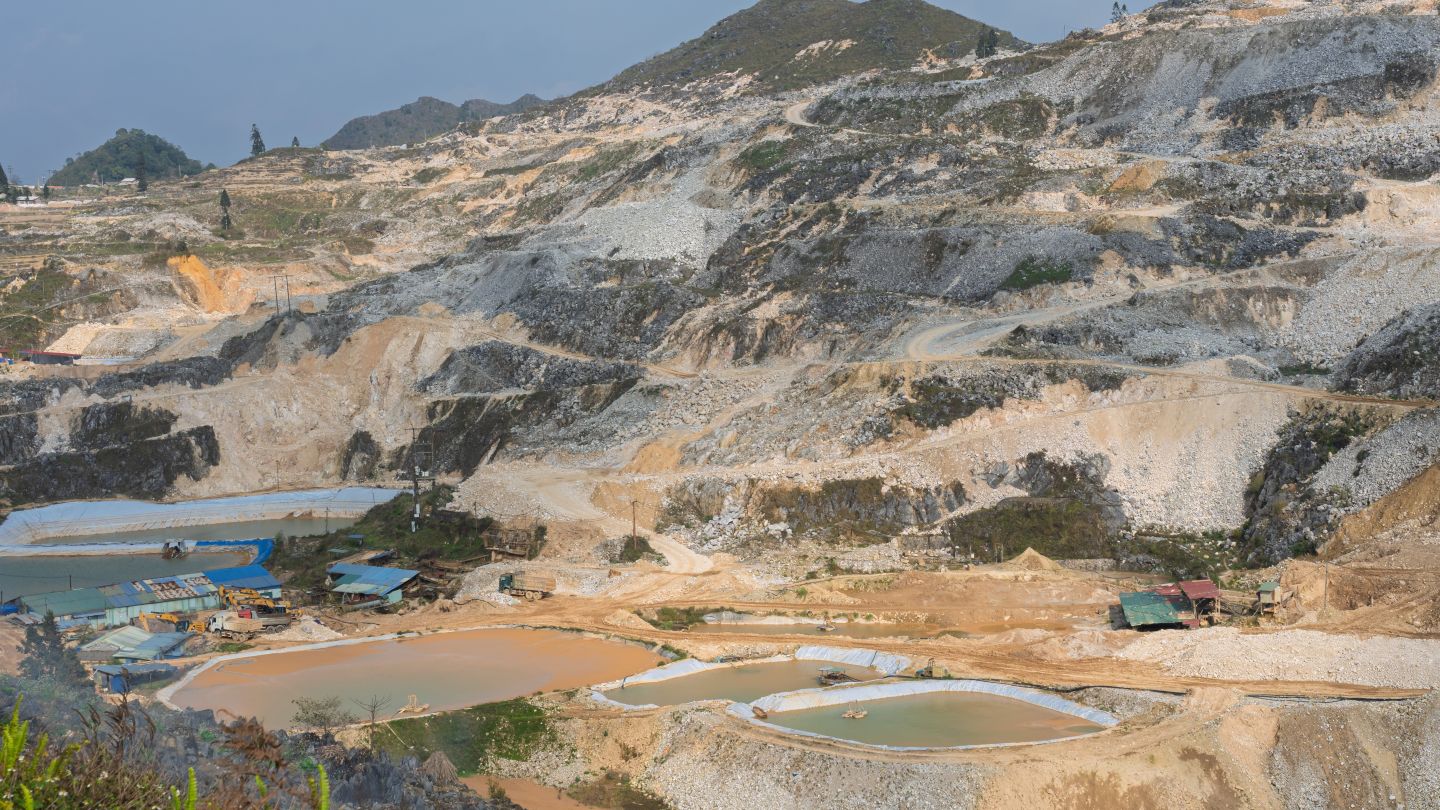
Malhada do Angico operated under Mineração Fluminense during the war. Its miners extracted rock containing scheelite, a tungsten-bearing mineral, from skarn, a type of mineralised rock. Those rocks belong to the Jucurutu Formation, a geological unit known for several scheelite deposits, including the major Brejuí Mine. The wider area is one of South America’s principal tungsten-producing regions, giving the site a history of production as well as an exploration story.
Gold Mountain’s assessment combines technical, legal and regulatory checks with exploration. The mining application is awaiting a decision from Brazil’s National Mining Agency on the Positive Final Exploration Report. Any acquisition remains dependent on satisfactory due diligence—the checks made before a deal proceeds—and the regulatory processes set out in the agreement. The exclusive period therefore gives the company time to examine both the ground and the application before proceeding.
Samples offer an early signal
Work so far includes geological mapping, rock-chip and stream-sediment sampling, and drilling of historical tailings, the material left behind by earlier mining. Three initial rock-chip samples from Gold Mountain’s adjacent holding returned tungsten values above 10,000 parts per million, reported as equivalent to 1.26% tungsten trioxide. Those samples came from ground along the same geological trend as Malhada do Angico, not from within the mine’s own mineral-rights area. Samples collected inside that area are still being analysed.
Mapping has identified more than 2,000 metres of skarn in the main mine zone and another 2,000 metres in the eastern part of the site. Gold Mountain has planned diamond drilling, which takes rock cores for examination, to test whether the tungsten-bearing rock continues along the deposit and at depth. Permitting for that programme is under way. Soil sampling over areas with unusual tungsten, molybdenum and bismuth readings is also complete, with results pending to guide further exploration.
Executive director David Evans, who recently visited the site, said the company was accelerating its exploration programme. He also said auger drilling had begun on historical tailings to check their grade, or mineral content, and collect samples for tests of how the material could be processed.
Evans said Gold Mountain planned to begin drilling as soon as the necessary permits were secured.
The next steps are the outstanding sample results, drilling permissions and the agency’s decision on the exploration report. Together with the technical and legal review, those processes will shape whether Gold Mountain moves from an exclusive assessment period to acquiring the mining application.
Sources
Investing involves risk. TGC value can fall. This is not investment advice.
Comments
No comments yet — be the first.