What Does Refining Do? From Mine Output to Precious Metal Bar
Discover how precious metal refining works, why fine metal content matters, and which checkpoints and costs shape a finished bar’s value.
Key takeaways
- Refining separates and purifies precious metals to specified standards; simply melting metal does not do the same job.
- The journey from mine output to a finished bar includes recovery, weighing, sampling, assay, refining and final checks.
- Fine metal content equals gross weight multiplied by purity expressed as a decimal.
- Market prices, fees, spreads and handling costs affect the amount a buyer pays or a seller receives.
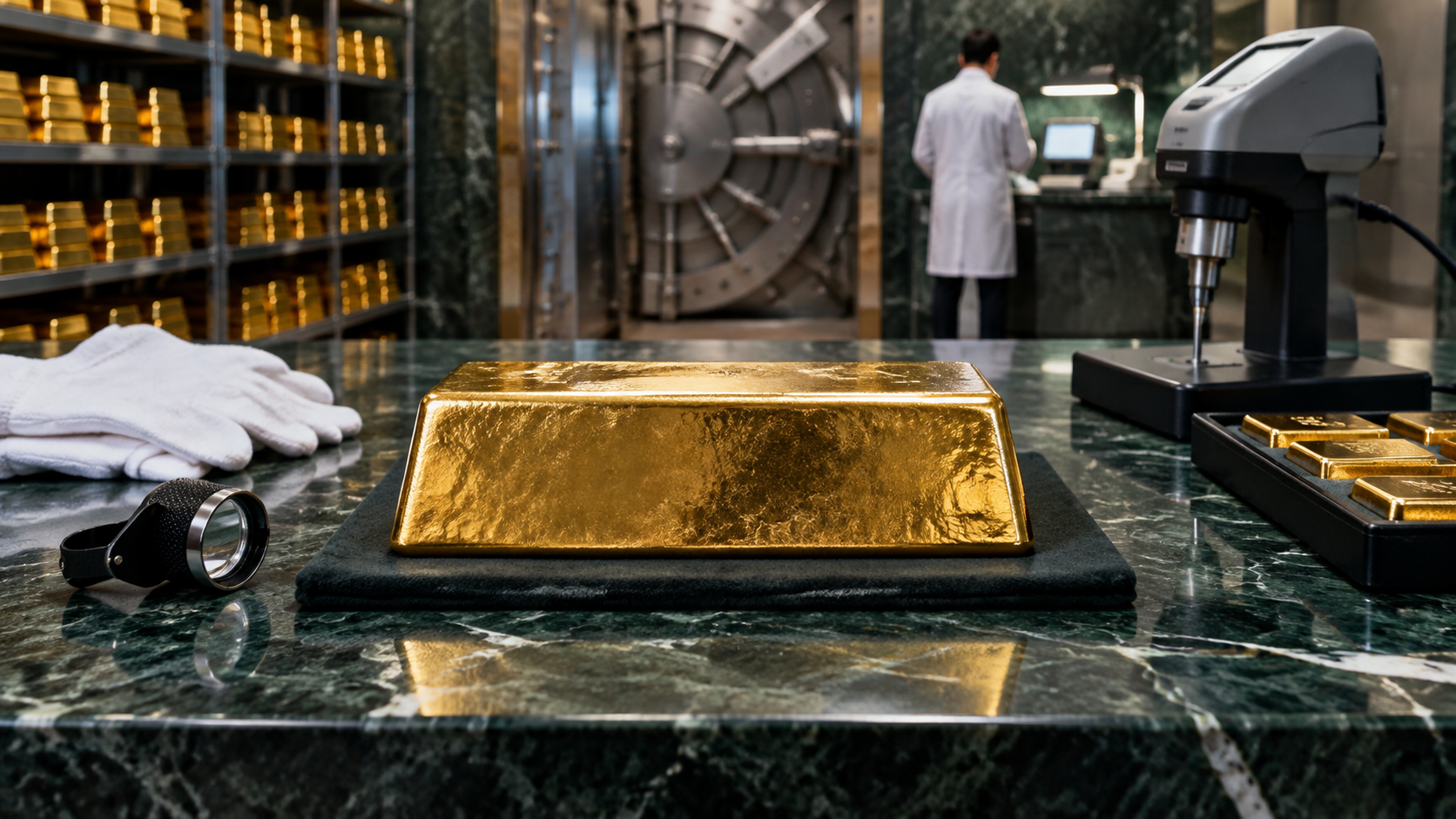
You walk into a gold shop and see two bars with the same weight. Should they have the same value? Not necessarily. Before comparing prices, you need to know how much gold each bar actually contains—and what it costs to buy, move or sell it.
At Teqwah, we believe understanding that journey brings you closer to the real work behind gold. Refining is one important step: it separates and purifies precious metals to specified standards. But it is not the whole journey, and purity alone does not determine your financial outcome.
A refined bar’s value starts with its fine metal content, but the price you receive also depends on the market, fees and handling.
What does refining do—and what does it not do?
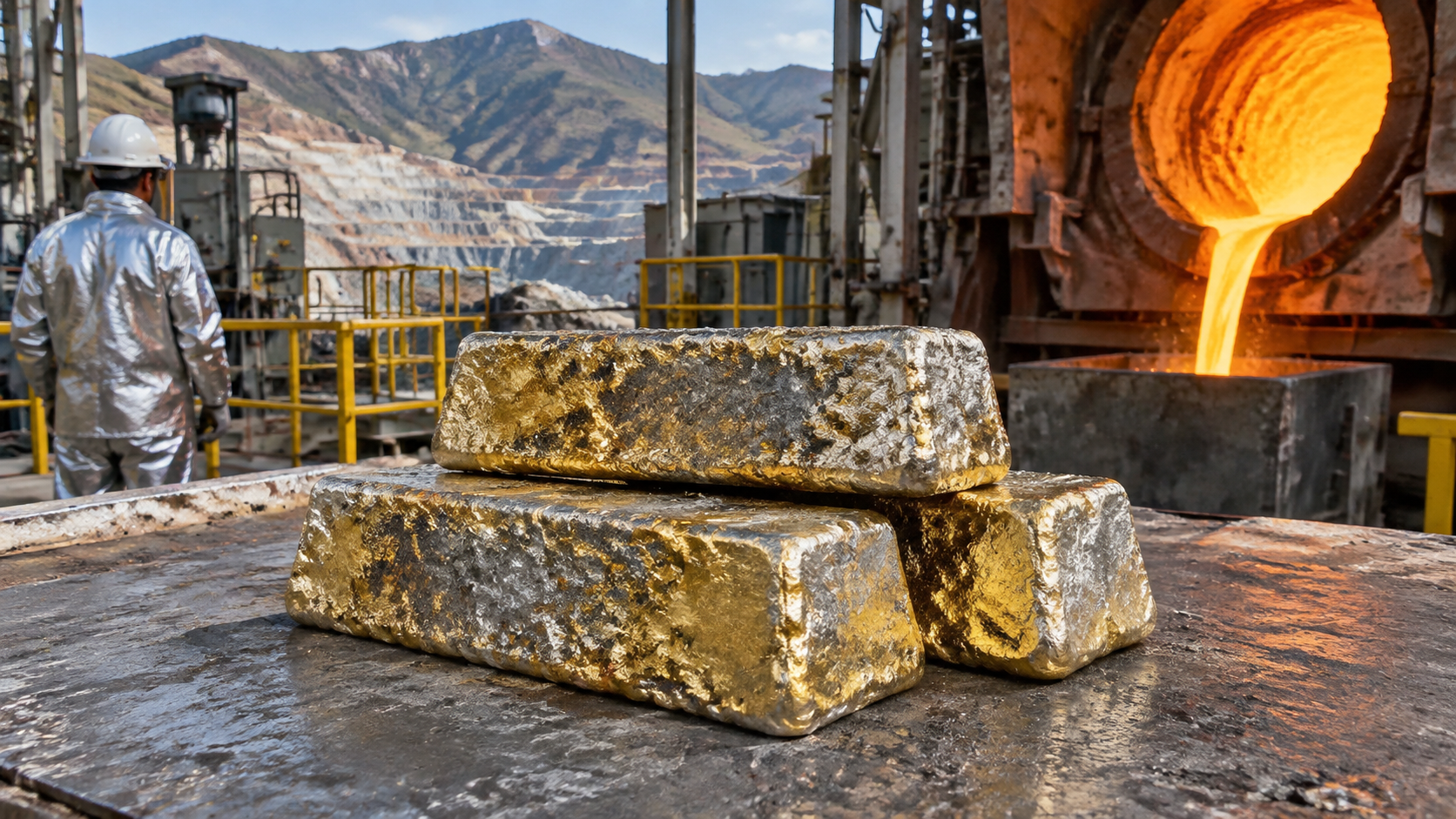
Imagine a small miner delivering a rough bar containing gold, silver and other metals. It looks metallic and valuable, but its appearance cannot tell a buyer how much gold is inside.
Refining separates the precious metals from other materials and, where required, from one another. The aim is an output with a specified purity, also called fineness.
A fineness of 999.9 means 999.9 parts out of 1,000 are the stated metal by mass. It does not mean the bar has a fixed monetary value.
Refining is also different from simply melting. Melting changes a solid metal into a liquid so it can be mixed or cast. Melting alone does not establish purity or reliably remove all unwanted metals.
Why this matters: a neat shape and a shiny surface are not substitutes for measured metal content.
From mine output to finished bar: follow the checkpoints
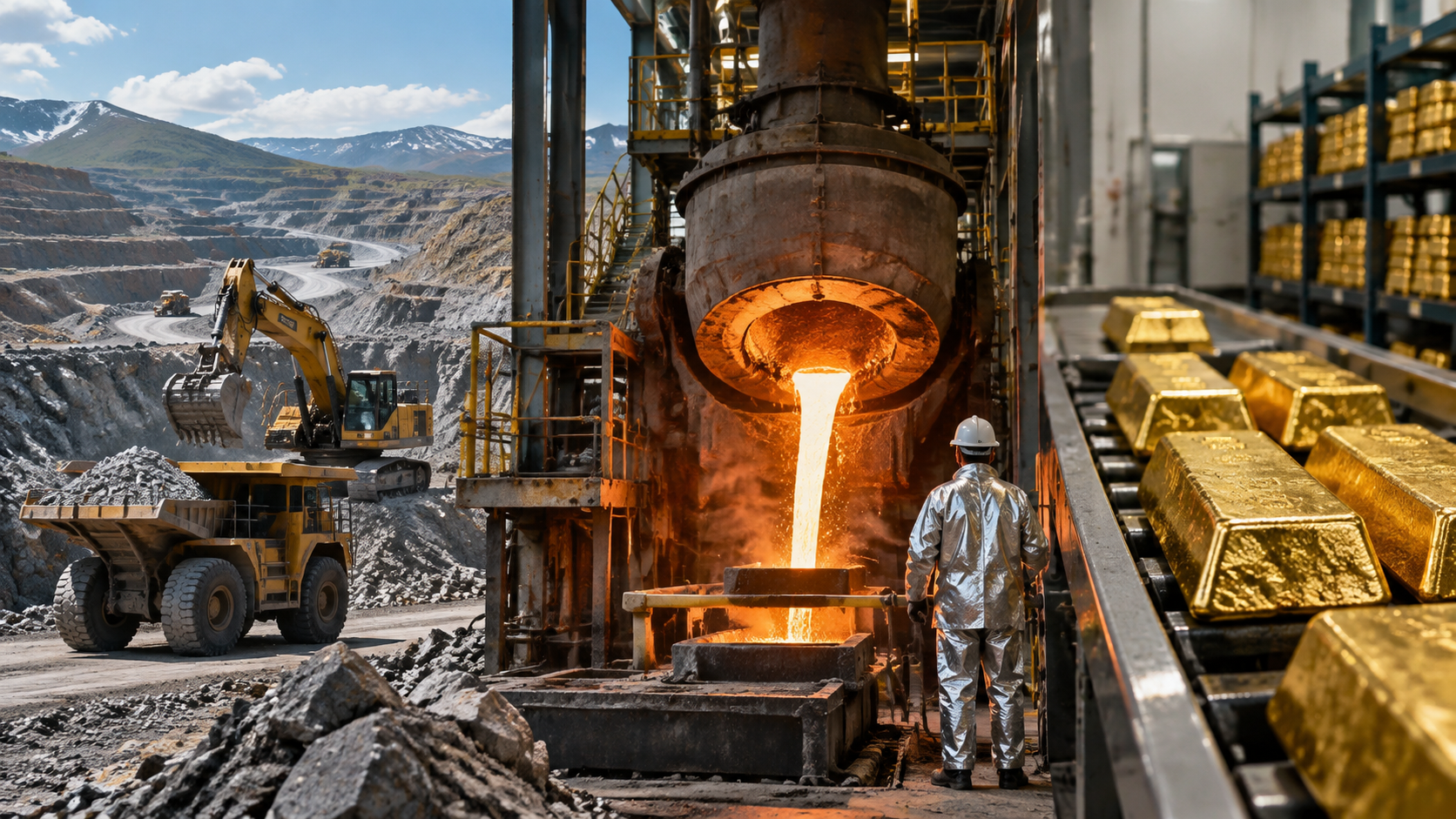
The route varies with the deposit, processing method and material. Not every mine sends the same kind of output to a refinery. Still, these checkpoints help us understand the journey:
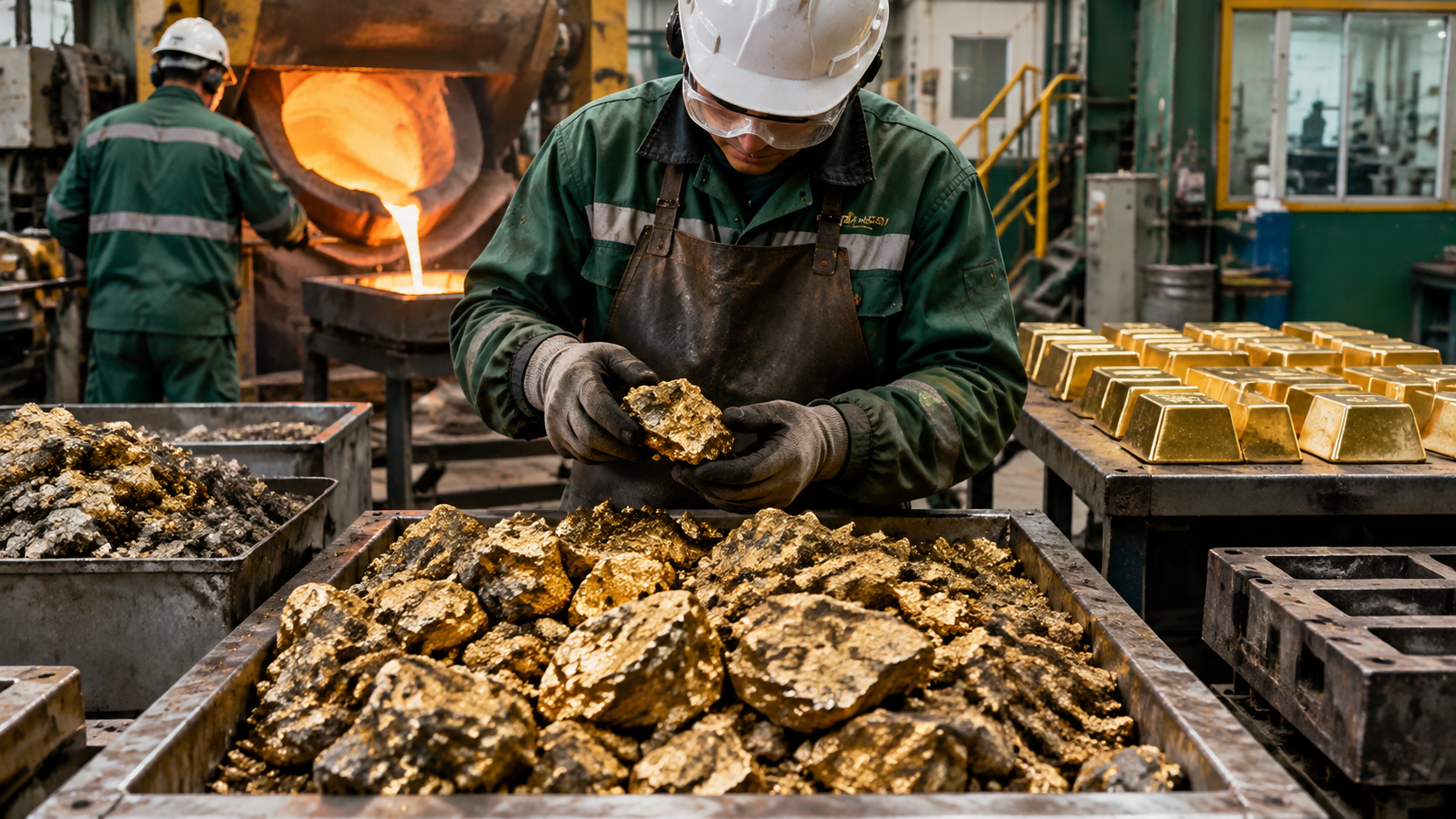
- Recovery: mined material is processed to recover valuable metal from surrounding rock or sediment.
- Intermediate output: further processing may produce a concentrate or doré—a rough alloy often containing gold and silver.
- Receipt and weighing: delivered material is identified, weighed and matched with relevant records.
- Sampling and assay: representative samples are tested to estimate metal content. An assay is a measurement of composition.
- Refining and verification: metals are separated and purified, then the output is checked against the intended specification.
- Bar production and release: metal is cast or made into minted bars, with final weight, identification and documentation checked as applicable.
For a small miner, the critical question is not just, “How heavy is my delivery?” It is, “What does the agreed assay show, and how will settlement be calculated?”
Sampling matters because a poor sample can misrepresent a whole lot. Records matter because weight, composition and ownership must remain connected as material changes hands.
How do refiners reach the required purity?
There is no single recipe for every precious metal or incoming material. Refiners select processes according to composition, the desired purity and practical operating requirements.
For gold, methods can include chemical treatment or electrolysis. Chemical processes use controlled reactions to separate substances. Electrolysis uses electricity in a suitable solution to separate and deposit metal.
Some material needs more than one treatment stage. Silver and other recoverable metals may also become separate outputs rather than simply being discarded as impurities.
The important distinction is between a purity target and a verified result. A process is designed to reach a specification; testing checks whether the output meets it.
For buyers, that means asking about the assay and relevant documentation—not assuming every refined bar meets the same standard. Refining is specialist industrial work, not a safe home experiment.
What determines a refined bar’s value?
Think of a shopkeeper weighing a bag of mixed nuts. The bag’s total weight is not the weight of its most valuable ingredient. With bullion, the equivalent distinction is between gross weight and fine metal content.
Fine metal content = gross weight × purity expressed as a decimal.
For example, a hypothetical 100-gram bar with 99.9% gold purity contains 99.9 grams of fine gold. This is a content calculation, not a price quotation.
An indicative metal value can then be calculated by multiplying fine metal content by a relevant market price per unit, using matching units and currency. The actual purchase price or sale proceeds can differ.
A buyer or seller should check:
- The price reference, currency and time at which the price is fixed.
- Assay, refining or fabrication charges, where applicable.
- Dealer premiums or the spread between buying and selling prices.
- Transport, insurance, storage and handling costs.
- Any applicable taxes and the agreed payment terms.
Avoid counting a charge twice if it is already included in a quote. For refinery settlement, also check which metals are payable and how recovery allowances or deductions apply.
Why this matters: a higher purity number does not automatically mean a better net deal.
Where this journey meets our approach
For people who see potential in gold but cannot run a mine themselves, understanding these steps makes the opportunity more tangible. Value must be created through execution: recovering material, assessing quality, managing costs and moving physical gold through documented channels.
At Teqwah, gold mining and physical gold trade are core activities, supported by productive machinery and selected real estate. Our participants hold TGC as a proportional participation in our unified pool; they do not select individual projects.
That is different from buying a particular refined bar. TGC is a divisible participation unit valued from recorded pool data, not an exchange-traded gold price. Its value can rise or fall.
We see the opportunity as exciting precisely because real work matters. Understanding refining helps you ask better questions about that work, rather than mistaking a purity stamp for an investment outcome.
Frequently asked questions
Is refining the same as smelting?
No. Smelting generally uses heat and chemical reactions to extract metal from processed material. Refining focuses on separating and purifying metals to a required specification.
Does higher purity always mean a more valuable bar?
Only if other factors are comparable. Compare fine metal content, not purity alone, then account for market price and transaction costs.
Does an assay prove responsible sourcing?
No. An assay measures composition. Provenance and responsible sourcing require separate documentation and checks; purity alone cannot establish them.
We invite you to explore how we connect participation with productive operations at Teqwah. Explore TGC →
Investing involves risk, values can fall, and returns are variable. This article is education, not financial advice.
Teqwah view
At Teqwah, we connect participation with gold mining, physical gold trade and productive operations through TGC. We believe understanding refining helps you see the practical work behind gold more clearly. Our participants share in a unified pool whose recorded value can rise or fall, rather than choosing an individual mine or bar.
Sources
Investing involves risk. TGC value can fall. This is not investment advice.
Comments
No comments yet — be the first.