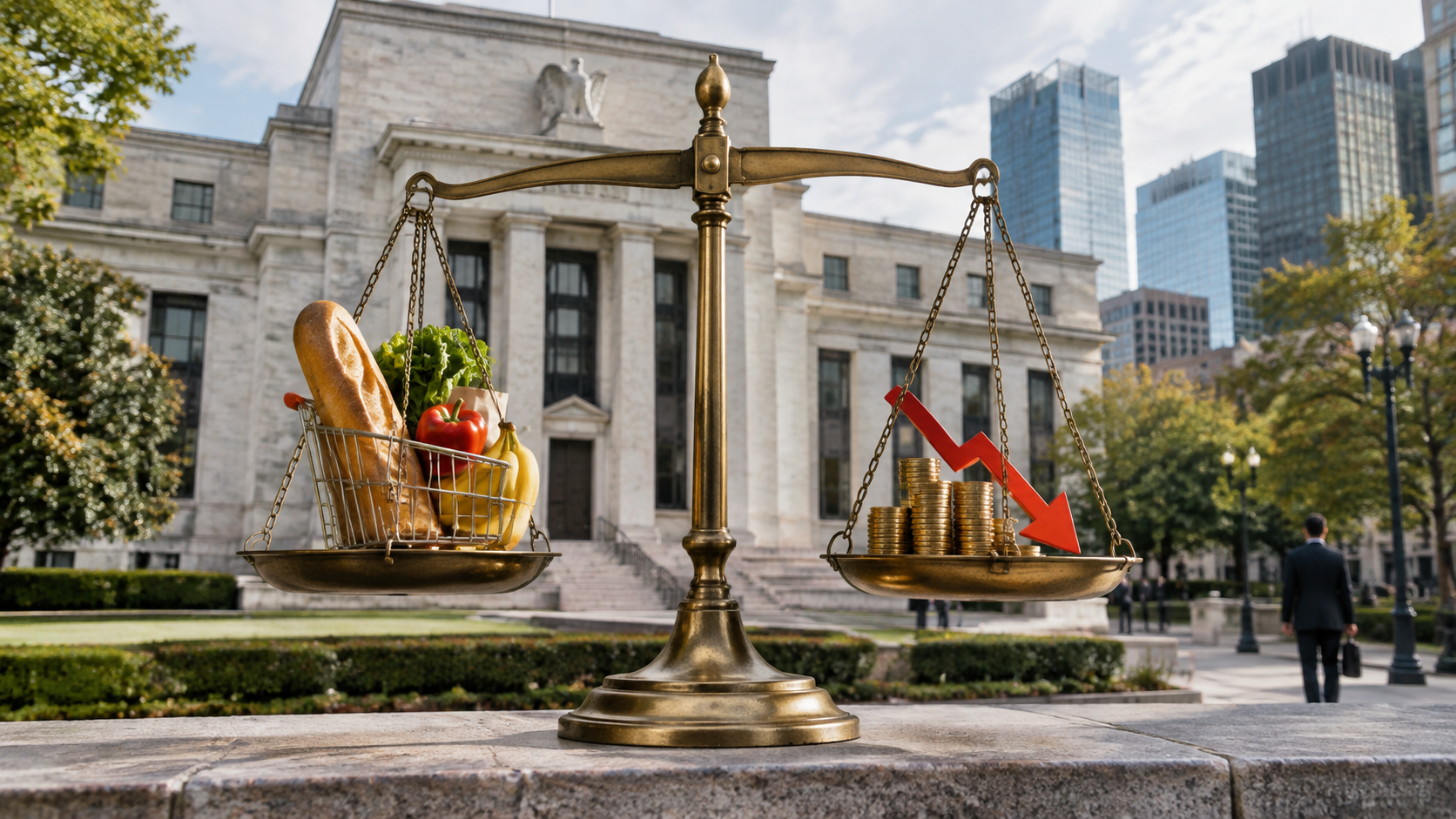
How Exchange Rates Affect Import Prices and Gold
Learn how exchange rates change the local cost of imports and the value of gold—and why every price comparison needs a currency.
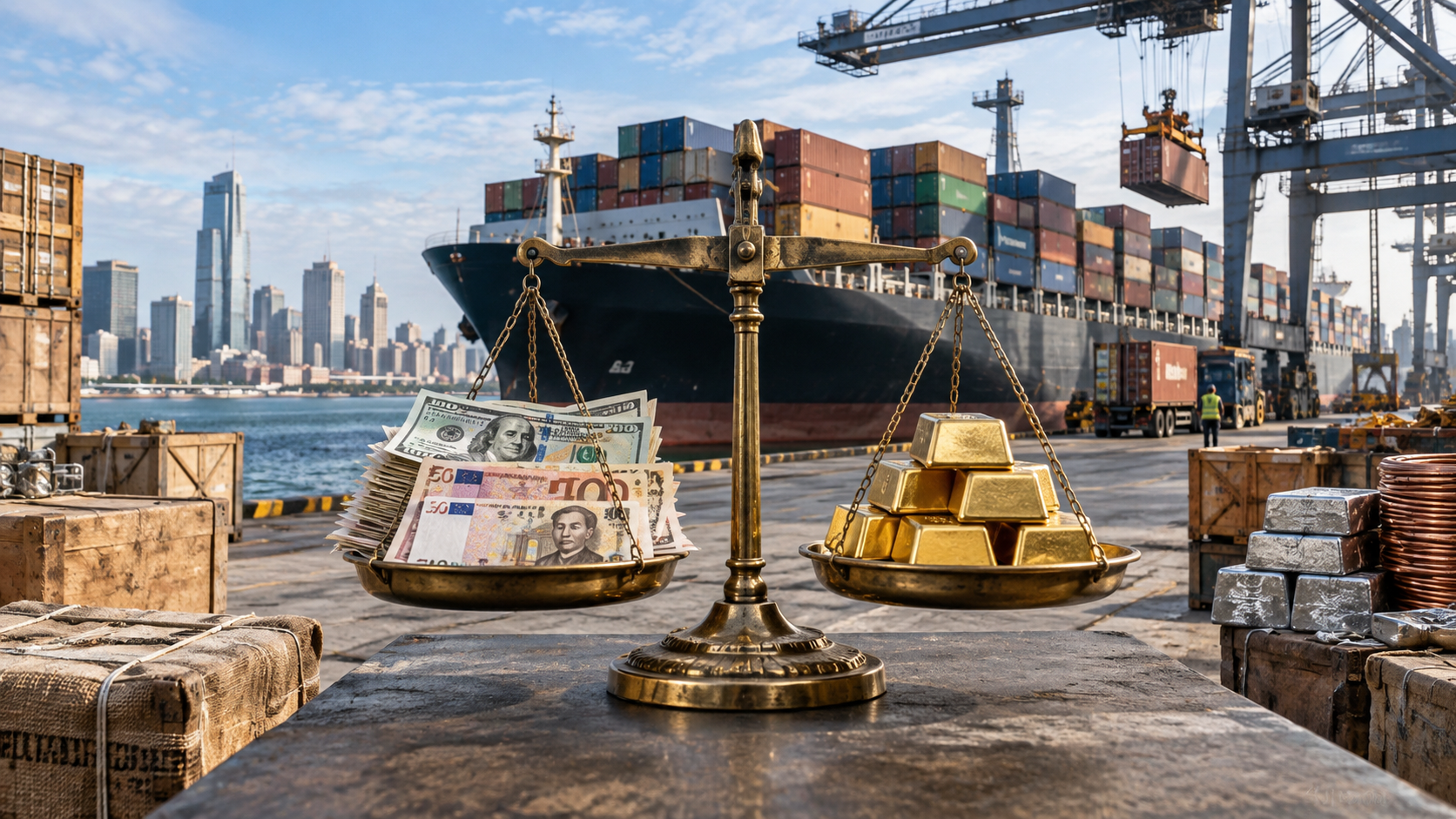
Key takeaways
- A weaker local currency can raise the local cost of imports even when the foreign-currency invoice is unchanged.
- Currency changes reach customer prices at different speeds, depending on stock, contracts, margins and other costs.
- The local value of gold reflects both its foreign-currency price and the exchange rate; neither movement alone tells the whole story.
- Always compare the same currency, unit, quality and time period, and account for transaction costs.
Your usual bag of imported rice costs more, but the shopkeeper says the supplier has not raised its price. How can both things be true?
The answer may be the exchange rate: the price of one currency in another. When your local currency buys less foreign currency, the same overseas purchase can cost more at home.
At Teqwah, we believe understanding that connection helps you look beyond a headline price. Whether you are buying groceries, funding machinery or assessing a gold position, the first question is simple: priced in which currency?
A price can stay unchanged in one currency and rise in another. Always name the currency before comparing values.
Why your import bill can rise without a supplier increase
Imagine a shopkeeper importing cooking oil with an invoice in US dollars. We will use hypothetical local currency units, or LCU, throughout these examples—not a particular country's currency.
Suppose the invoice is USD 100:
- At 10 LCU per USD, the goods cost 1,000 LCU.
- At 12 LCU per USD, the same goods cost 1,200 LCU.
- The supplier still receives USD 100, but the shopkeeper needs 200 LCU more.
The local currency has weakened against the dollar: more local units are needed to buy one dollar. The converted goods cost has risen by 20%, before shipping, taxes or other charges.
The useful formula is:
Local-currency cost = foreign-currency price × local currency units per foreign currency unit.
Watch the quotation direction. Here, a higher number means a weaker local currency. If a currency quotation is written the other way around, the interpretation reverses.
Why this matters: an unchanged overseas price does not mean an unchanged household bill.
Why fuel, food and machines do not all react immediately
A small miner may need imported replacement parts and fuel. A weaker local currency can increase those costs even when the foreign-currency quotations remain steady. Buying a machine can also require more local cash than the original budget allowed.
But currency movements do not flow into every shop price immediately or equally. This process is often called exchange-rate pass-through: how much of a currency change reaches the price paid by the customer.
A shopkeeper may still have stock purchased at an earlier exchange rate. A supplier may have a fixed-price contract. A business might accept a smaller margin rather than raise prices straight away. Currency hedging—arrangements that help manage exchange-rate exposure—can also delay the effect.
Transport, wages, taxes and competition matter too. A stronger local currency can ease import costs, but it does not force every retailer to cut prices overnight.
For your next purchase, ask whether the price change reflects the product itself, currency conversion or additional costs. Often, it is a combination.
Why your gold can rise locally while its dollar price stands still
Now imagine a young saver holding one troy ounce of gold locally. Gold is commonly quoted internationally in US dollars per troy ounce, but the saver measures wealth in local currency.
The basic conversion is:
Gold value in local currency = gold price in USD × local currency units per USD.
For an unchanged quantity of gold, an unchanged USD gold price and a 10% rise in LCU per USD would produce a 10% rise in the converted LCU value, before costs.
That does not mean gold became more expensive in dollars. The measuring currency changed in value.
Both prices can move together, too. If USD gold rises 5% while LCU per USD rises 10%, the combined local-currency increase is 15.5%, not 15%: 1.05 × 1.10 = 1.155. These are hypothetical changes, not forecasts.
The reverse is possible. A stronger local currency can reduce the local value of gold or offset some of a USD gold price increase.
Your actual sale proceeds may also reflect purity, dealer premiums, the gap between buying and selling prices, and fees. A converted reference price is not necessarily an executable sale price.
How we connect currency awareness with productive gold operations
For people who see potential in gold but cannot run a mine themselves, understanding costs is as important as following the metal's price. A higher gold price in local currency does not automatically mean a more profitable operation. Imported equipment or fuel may have become more expensive as well.
At Teqwah, our participation unit, TGC, connects participants to our unified pool across gold mining, physical gold trade, productive machinery and selected real estate. We manage allocation; participants do not select individual projects.
That distinction matters here. TGC is not a direct gold-price quotation. Its value is recorded pool value divided by circulating TGC. It is not exchange-traded, and its recorded value can rise or fall.
We are building participation around productive work, where execution matters alongside market conditions. A currency example about bullion should never be mistaken for a prediction about a Teqwah investment.
Your checklist before comparing two prices
Before deciding that something is cheaper, more expensive or performing better, check:
- Currency: Are both figures in USD, local currency or another currency?
- Unit and quality: Is it the same weight, purity, quantity or machine specification?
- Timing: Do the product price and exchange rate relate to comparable times?
- Full cost: Are conversion charges, delivery, taxes and selling costs included?
Also separate a larger account balance from greater purchasing power. If your gold's local value rises while everyday costs rise too, the gain may buy less than you expect.
A good comparison starts with matching measurements, not just bigger numbers.
Frequently asked questions
Does a weaker currency always make imports more expensive?
It raises the converted cost of an unchanged invoice in a foreign currency against which it has weakened. Final customer prices may react differently because of contracts, stock, margins and other costs.
Can gold fall in USD but rise in my local currency?
Yes. If local-currency weakness more than offsets the USD gold decline, the converted local value can rise. Compare both movements over the same period.
Does holding gold remove currency risk?
No. Its value in your spending currency depends on both gold prices and exchange rates, alongside transaction costs. Gold does not reliably offset every currency movement or increase in living costs.
Curious about how we connect participation with real operations? Explore TGC at Teqwah →
Investing involves risk, values can fall, and this article is education, not financial advice.
Teqwah view
At Teqwah, we connect participants to a unified pool spanning gold mining, physical gold trade, productive machinery and selected real estate. We believe understanding currency movements helps readers distinguish a gold-price headline from the economics of productive work. Our TGC value follows recorded pool value divided by circulating units, not an exchange-traded gold price.
Sources
Investing involves risk. TGC value can fall. This is not investment advice.
Comments
No comments yet — be the first.