
Kenya’s broken-glass startup faces a vast recycling gap
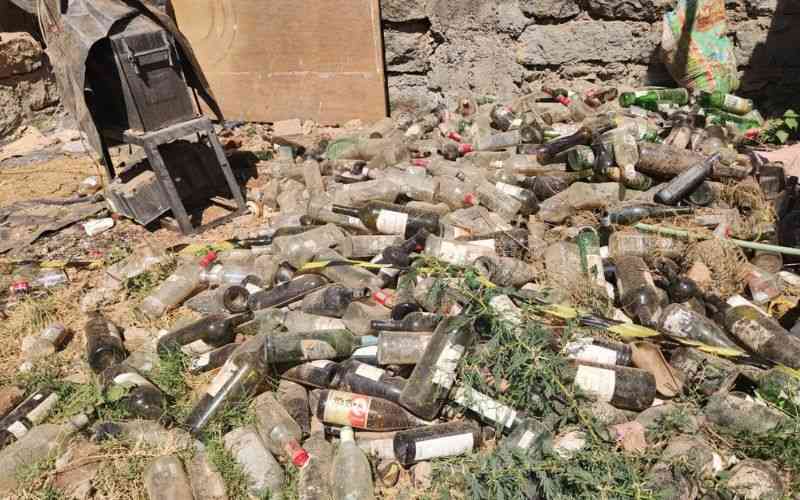
A city startup is building a business around broken glass in a country that recovers only about 30 per cent of its annual glass waste.
Key takeaways
- Kenya generates about 204,000 tonnes of glass waste each year.
- Only about 30 per cent is recovered for recycling and reuse.
- A city startup is building a business around broken glass against that national recovery gap.
Most of Kenya’s waste glass does not make it back into recycling or reuse. The country generates about 204,000 tonnes a year, but only about 30 per cent is recovered, according to The Standard Kenya Business (direct). That gap is the backdrop to a city startup building a business around broken glass.
The startup puts a business lens on a material that has already been discarded. The source describes an enterprise seeking trade from broken glass, placing it within a market where recovery accounts for less than a third of the annual waste total.
The national figures show the scale of the challenge. Generating waste and recovering it are different things: the amount discarded is far larger than the amount brought back for recycling or reuse. The reported recovery rate covers both activities, rather than recycling alone.
For business readers, the distinction matters. Kenya’s annual glass waste total describes the size of the waste stream, not the volume available to this startup. It is not a measure of the company’s sales, processing capacity or share of the market.
The story brings together a young business and a substantial recovery gap. What to watch next is how the startup develops its broken-glass trade—and whether more of Kenya’s discarded glass reaches recycling or reuse.
Sources
Comments
No comments yet — be the first.