Kenya’s coffee revival faces a long wait for farmer payments
Industry stakeholders say better financing, science-led farming and more processing are needed to rebuild production and improve growers’ returns.
Key takeaways
- Coffee farmers sometimes wait six to 12 months for payment, limiting access to timely finance.
- Coffee earnings have risen to about Sh52 billion from roughly Sh20 billion a decade ago, partly because of international prices.
- Researchers urged investment in soil testing, disease-resistant varieties and farming practices that improve soil health.
- Digital tools could help anticipate climate and pest threats and connect growers with finance and markets.
- Participants warned that certification and EU deforestation requirements could burden smallholders.
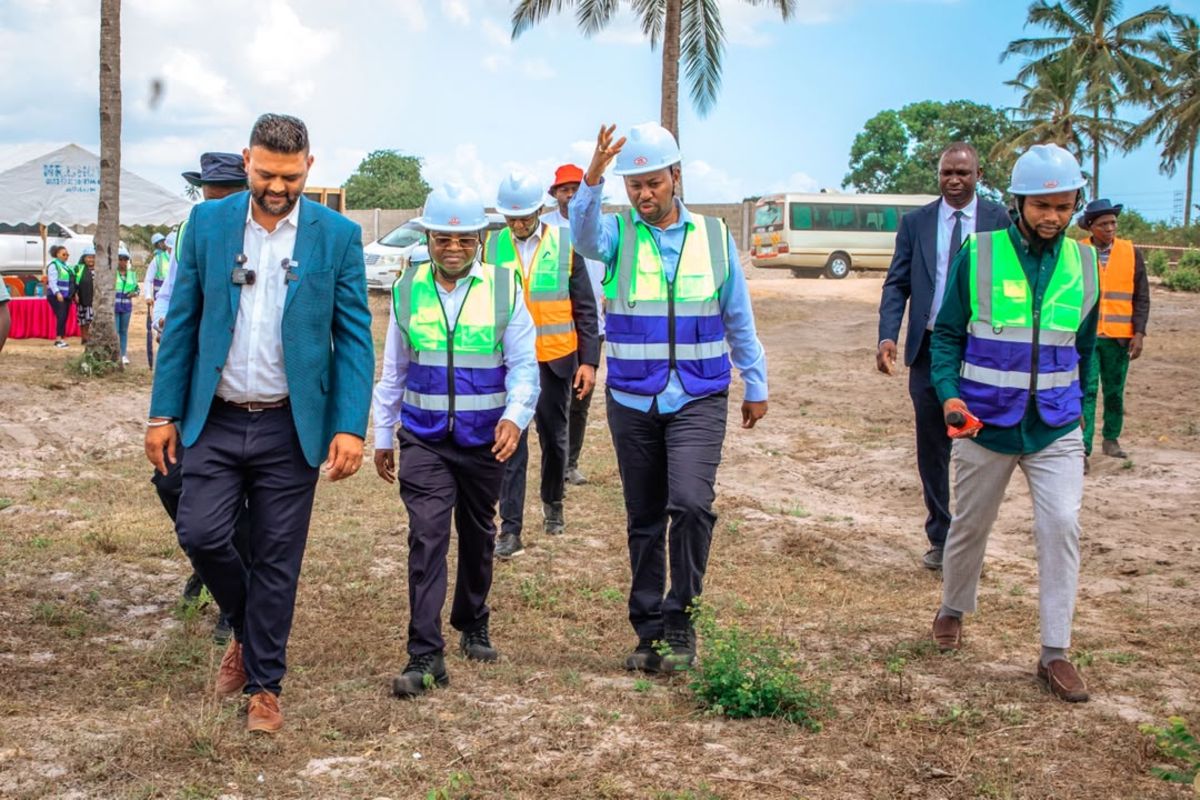
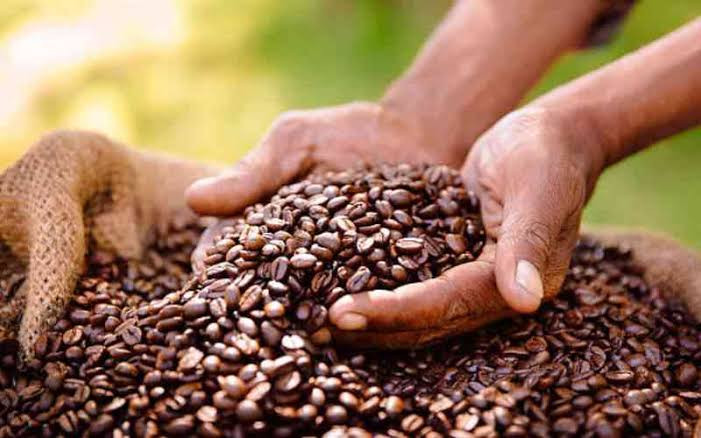
Kenyan coffee farmers can wait six to 12 months to be paid, a financing bottleneck confronting a sector seeking to rebuild production. At Science Summit Nairobi 2026, participants pointed to digital advances against expected deliveries as one possible answer. But their broader message was that reviving coffee will require science, better farm practices and policies that put growers first, according to The Standard Kenya Business (direct).
The summit, hosted by Landscape Alliance, brought together researchers, financiers, technology companies and coffee industry participants. They examined how innovation could help the crop withstand climate change and disease while improving farmers’ earnings. An ageing farming population added another concern: participants argued that technology and better returns would be needed to draw younger people into the industry.
Higher earnings do not tell the whole story
Nancy Kareemi told participants that Kenya needed both more coffee and more value from what it sells. The country exported about 130,000 metric tonnes in the late 1980s, while current production is significantly lower. Coffee earnings have climbed to about Sh52 billion from roughly Sh20 billion a decade ago, partly because of international prices. Kareemi called for investment in processing rather than relying on sales of raw beans.
For Philip Osano, Landscape Alliance’s chief operating officer, investment decisions need a stronger grounding in scientific evidence. He said adding fertiliser alone would not solve productivity problems. Testing soil and understanding farm conditions were essential to turning spending into higher yields. His argument placed the quality of investment, not simply the amount of farm inputs, at the centre of the recovery effort.
Dr Tony Maritim, deputy director at the Kenya Agricultural and Livestock Research Organisation, said policies should help farmers benefit across the chain from growing to selling coffee. Traditional varieties such as SL28 and K7 face increasing challenges, he said, while Ruiru 11 and Batian resist some major diseases. Research into genetic information could identify traits linked to disease resistance and quality. Growing trees alongside coffee could also improve soil health and local growing conditions.
Turning research into usable tools
Maritim urged growers to keep pruning residues, use plant material to enrich soil and grow other crops alongside coffee instead of burning farm waste. These soil-restoring practices must also make economic sense for farmers, he said. Benoit Yonga of CADI highlighted artificial intelligence, satellite monitoring and digital diagnostic tools as ways to anticipate climate and pest threats rather than respond after damage emerges.
Yonga’s message: farm data matters when it becomes reliable guidance that growers can act on.
Participants said digital platforms could connect farmers with finance, inputs and buyers, as well as offer advances against anticipated deliveries. They also warned that certification and European Union deforestation requirements could add costs for smallholders. Monitoring from a distance, including satellite-based checks, needed to be supported by local verification.
The next test is whether these ideas reach farms in useful, affordable forms. Osano called for closer links among researchers, policymakers and growers to turn knowledge into practice. Access to timely finance, workable compliance systems and investment in processed coffee will be key areas to watch as the sector seeks to restore production and retain more value.
Sources
Investing involves risk. TGC value can fall. This is not investment advice.
Comments
No comments yet — be the first.