
Uganda’s oil export pipeline reaches 92% as MPs press to avoid another delay
Lawmakers inspecting Uganda’s petroleum projects found construction advancing, but warned that budget plans depend on oil revenues that have yet to arrive.
Key takeaways
- Uganda’s heated crude export pipeline was reported 92% complete, with all line pipe laid and buried.
- Tilenga reached 78% completion and Kingfisher 90%; both reported more wells drilled than required for initial production.
- Budget Committee chair Amos Kankunda warned that shifting first-oil timelines affect plans built around future petroleum revenue.
- Officials said existing discoveries could support production for about 25 to 30 years, with peak output around 230,000 barrels a day.
- Further investment is needed in oversight, environmental monitoring, emergency response and petroleum-revenue management.
Uganda’s budget planners are counting on future oil income, but shifting production timelines have lawmakers pressing for answers. With the country’s crude export pipeline reported 92% complete, Parliament’s Budget Committee has inspected major petroleum projects to see what still stands between construction and first oil—the start of production—according to The Independent Uganda (direct).
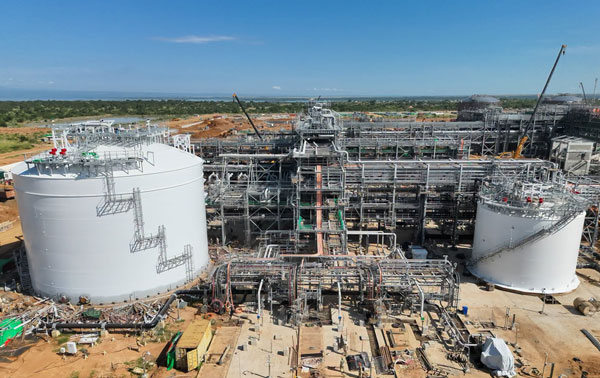
Committee chairperson Amos Kankunda led the delegation through the East African Crude Oil Pipeline’s Pump Station One, Kabaale Industrial Park, the Kingfisher development in Kikuube District and the Tilenga project in Buliisa and Nwoya districts. The Petroleum Authority of Uganda (PAU), energy ministry and Uganda National Oil Company coordinated the visit. Its purpose was to assess progress, spending accountability and readiness for the move into production.
Kankunda said repeated changes to the first-oil timetable had concerned the committee because several budget projections relied on future petroleum revenue. The inspection, he explained, was intended to identify unresolved issues and establish how Parliament could help prevent further slippage. He welcomed the progress and pledged support for measures needed to bring production on stream.
Further delays to first oil must be avoided, with budget projections already built around future petroleum revenues, Kankunda said.
Pipeline moves from construction to testing
The 1,443-kilometre heated export pipeline will carry Uganda’s crude from Hoima to the marine terminal at Tanga in Tanzania. Updates presented during the visit put overall completion at 92%, with all line pipe laid and buried. Work has moved into pre-commissioning and testing: checks on key facilities and supporting infrastructure before they enter service. Pump Station One, which lawmakers toured, is the starting point of that export route.
The two major production developments are also advancing. Tilenga was reported 78% complete, with 256 wells drilled against the 170 needed for initial production. Kingfisher stood at 90%, with all 22 production wells drilled, exceeding the 19 required for first oil. Several Kingfisher facilities were undergoing commissioning or preparatory checks. At Tilenga, lawmakers visited the Industrial Area, Gunya-1 Well Pad and Bugungu Camp to review construction and preparations for operations.
Readiness extends beyond the wells
The committee also examined how long the resource base could sustain operations. Joshua Lukaye, acting assistant commissioner for exploration at the energy ministry, said the resources already discovered were expected to support production for about 25 to 30 years, with peak output of approximately 230,000 barrels a day. He argued that continued exploration was needed to replace resources depleted by production and keep petroleum infrastructure in use over the longer term.
Monitoring is another part of the transition. Allan Rogers Kibaya, manager for facilities and production, said the PAU was establishing a Real Time Monitoring Centre at Petroleum House. Technical meters, fiscal meters used for revenue-related measurement, and location-tracking systems are being integrated to capture operational data, follow crude movements and help monitor pipeline integrity. Lawmakers also questioned project teams about schedules, budget needs, local participation and infrastructure readiness.
The committee left satisfied with the progress, but the next test extends beyond finishing construction. Members were told further investment was needed in regulatory oversight, environmental monitoring, emergency response, oil-revenue management, crude marketing and coordination among agencies. As testing and commissioning advance, the focus shifts to whether both the physical projects and the institutions responsible for managing production are ready for first oil.
Sources
Investing involves risk. TGC value can fall. This is not investment advice.
Comments
No comments yet — be the first.