
Uganda’s pension savings outgrow the projects ready to absorb them
With pension assets at about Shs36 trillion, Uganda faces a test: turn workers’ savings into lasting growth without putting retirement incomes at risk.
Key takeaways
- Uganda’s pension industry held about Shs36 trillion in assets as of June, according to the regulator.
- NSSF’s investment chief said suitable investment opportunities were not growing as quickly as the fund’s assets.
- Infrastructure and property are under assessment, with safeguards, returns and exit options central to investment decisions.
- Officials want pension products to reach informal workers with irregular incomes.
- The debate comes as Uganda targets an expansion from an approximately US$50 billion economy to US$500 billion by 2040.
Uganda’s biggest retirement fund has a problem that more savings alone cannot solve: its money is growing faster than the investment opportunities available to it. The National Social Security Fund (NSSF) holds about Shs35 trillion in assets, according to its chief investment officer, Kenneth Owera. Finding suitable places for that money is becoming a central challenge as Uganda looks to workers’ savings to help finance a much larger economy.
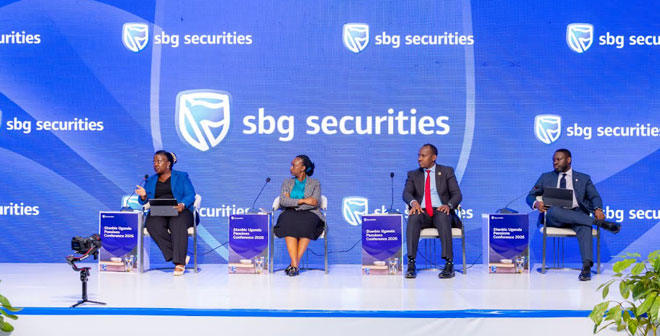
That tension shaped the inaugural Stanbic Uganda Pensions Conference in Kampala on October 1, according to The Independent Uganda (direct). Government officials, regulators and investment managers discussed how retirement savings could support Uganda’s goal of expanding its economy from about US$50 billion to US$500 billion by 2040. The gathering also marked Stanbic Uganda Holdings’ expansion into pension fund management through SBG Securities Uganda.
A growing pool, a narrow investment pipeline
Uganda’s pension industry had about Shs36 trillion in assets under management—money overseen on behalf of savers—as of June, said Daisy Nabakooza, director of supervision and market conduct at the Uganda Retirement Benefits Regulatory Authority. She said opportunities in infrastructure and real estate were being assessed, but protecting members’ savings required careful project checks. Governance, security, measurable returns and a way to withdraw from an investment all matter.
Owera said NSSF must support national development while earning satisfactory returns for its members. It already holds government securities, or government debt, alongside shares and property. Its shareholdings include MTN Uganda, Airtel Africa and Quality Chemical Industries, and it also invests in regional markets. Yet the supply of suitable investments is not keeping pace with its assets. A narrow selection can limit diversification—spreading money across different investments—while projects promoted for their development value can still carry risks for savers.
Paul Muganwa, executive director of Stanbic Bank Uganda, said pension funds want longer-term investments, but also assets they can sell when circumstances change. Banks work within shorter financing horizons, which he described as reaching up to seven years. That difference creates room for banks and pension funds to work together. Infrastructure could fit retirement funds’ longer commitments, but attracting their money would require well-prepared projects, transparent procurement, credible income streams and clear responsibility for risks.
Bringing more workers into the system
The other challenge is participation. Simon Mulongo, minister of state for labour, employment and industrial relations, called for retirement saving to reach beyond regular salaried workers. Farmers, traders and small business owners need products suited to uneven earnings. He urged financial institutions to work with savings and credit cooperatives, village savings groups and market associations, with bank accounts and mobile money helping broaden access.
Mark Ocitti Ongom, chief executive of Stanbic Uganda Holdings, presented professionally managed retirement savings as capital that can stay invested for years. In his account, mobilising those savings for productive businesses can help create jobs and tax revenue. But Mulongo warned against treating a larger financial sector as proof of a more productive economy.
Mulongo cautioned that growing financial assets do not, by themselves, increase economic production.
The next test is whether Uganda can widen pension participation while building investments worthy of workers’ trust. The conference discussions pointed to stronger project assessment, more investment choices and cooperation between government, banks and retirement funds. Household incomes, inflation, exchange rates and business productivity will also shape the outcome. The stakes are twofold: more domestic money for Uganda’s growth plans, and secure retirement savings for the people providing it.
Sources
Investing involves risk. TGC value can fall. This is not investment advice.
Comments
No comments yet — be the first.