
Unilever targets Sh30m in annual savings with Nairobi solar switch
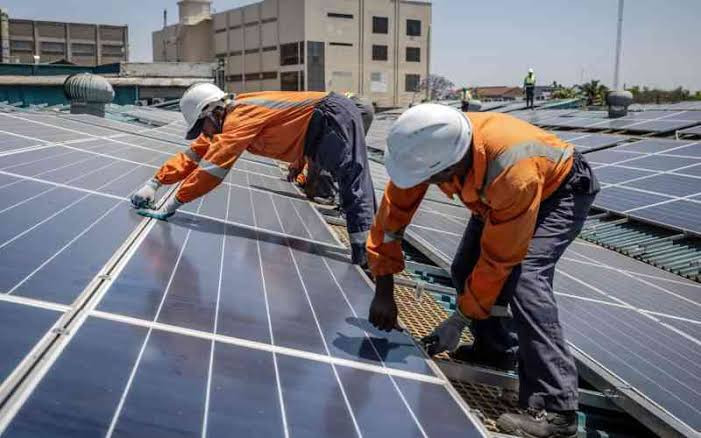
A Sh70 million solar installation is expected to supply about 30% of the Nairobi factory’s electricity, with another move away from heavy fuel oil planned.
Key takeaways
- Unilever invested Sh70 million in an 800-kilowatt solar system at its Nairobi factory.
- The installation began operating in June and is expected to supply about 30% of the factory’s electricity.
- Annual energy savings are projected at approximately Sh30 million.
- Unilever says solar and an earlier boiler fuel switch helped reduce plant carbon emissions by about 40% against 2023.
- The next phase will shift hot-air generation from heavy fuel oil to biomass-based fuels.
A Sh70 million solar investment at Unilever’s Nairobi factory is expected to cut its annual energy bill by about Sh30 million, according to The Standard Kenya Business (direct). The project puts a clear financial target behind the consumer goods maker’s push for renewable energy: lower running costs for a plant also seeking a more stable power supply.
The 800-kilowatt system, a measure of its power capacity, began operating in June. It is expected to provide roughly 30% of the factory’s electricity. That would give solar a substantial role in daily production, although it would still cover less than a third of the plant’s electricity needs. The projected savings remain an expectation, rather than a reported result from a full year of operation.
A more predictable energy bill
For Unilever, the case for the installation goes beyond using less conventional energy. The company said renewable power would make its energy costs easier to predict, helping the factory manage changes in fuel and electricity prices. The project is therefore aimed at both the size of the energy bill and the uncertainty surrounding it—two concerns that can affect the stability of manufacturing operations.
João F. Ribeiro, Unilever’s 1UL Supply Chain Head, linked the investment to the factory’s ability to remain competitive and withstand disruptions. Speaking at the installation’s unveiling, he said projects of this kind strengthen operations while reducing dependence on conventional energy. His comments framed the solar system as a business investment as well as part of the company’s environmental efforts.
Ribeiro said the investment would strengthen the factory’s resilience and competitiveness while lowering its dependence on conventional energy.
Elodie Kouassi, Unilever’s head of supply chain for East Africa excluding Ethiopia, also connected the environmental programme with business performance. She said the investment showed that the two could advance together. Reducing the factory’s reliance on conventional energy is expected to lower operating emissions while making its supply chain more resilient, rather than treating sustainability as separate from the practical needs of production.
The next shift is in factory heat
Solar is not the plant’s first change in energy use. Unilever previously replaced heavy fuel oil, or HFO, in its boilers with biomass—fuel made from biological material. The company said that switch, together with the solar system, had helped cut carbon emissions at the Nairobi factory by about 40% against its 2023 baseline. That reduction reflects the combined measures, not solar alone.
The Nairobi installation belongs to a broader Unilever programme to expand renewable energy across its manufacturing network and lower emissions. It also comes as manufacturers increasingly look for alternative energy sources to control operating costs and improve production reliability. The next step at this factory will focus on hot-air generation: Unilever plans to replace heavy fuel oil with biomass-based fuels there too, a change it expects to reduce fossil fuel consumption further.
Sources
Investing involves risk. TGC value can fall. This is not investment advice.
Comments
No comments yet — be the first.